

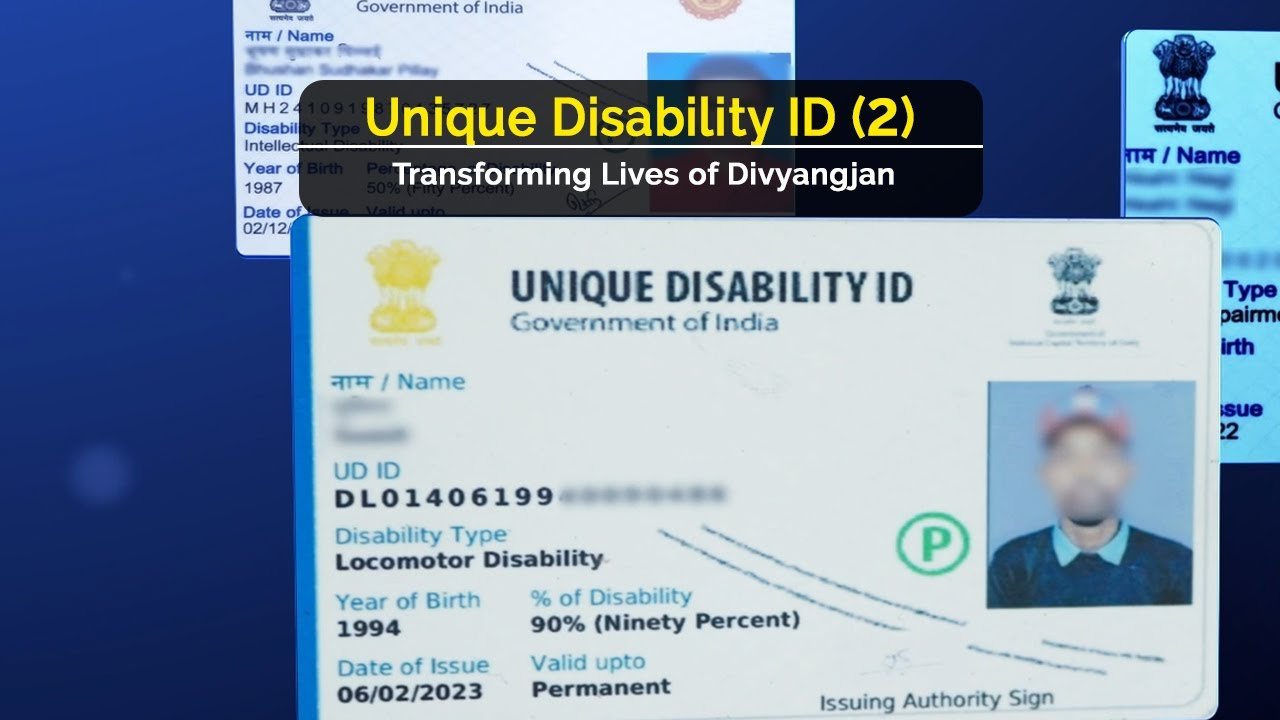
A growing fraud scandal involving fake disability certificates has come under the spotlight in India’s medical college admissions system, with several candidates being booked, admissions cancelled, and investigations launched after forged documents were detected during routine verification. The controversy, unfolding across states like Madhya Pradesh, Karnataka and Bihar, raises serious concerns about the integrity of reservations and merit-based medical education.
Fake Disability Certificates Uncovered During MBBS Counselling
In one high-profile case, two NEET UG aspirants were booked by police in Bhopal, Madhya Pradesh, after submitting forged physical disability certificates to secure MBBS seats under the Persons with Disabilities (PwD) quota during counselling at Gandhi Medical College. College authorities rejected the certificates after scrutiny and formally cancelled both candidates’ admissions, prompting police to register an FIR and launch an investigation into possible wider fraud.
GMC Dean Dr Kavita Singh confirmed that the certificates were flagged as fraudulent during the document verification process, leading to swift action and notification to law enforcement.
Certified Cyber Crime Investigator Course Launched by Centre for Police Technology
Pattern of Forged Certificates and Systemic Vulnerabilities
The fake certificate issue is not an isolated incident. In Karnataka, the Karnataka Examinations Authority (KEA) identified multiple cases where aspirants allegedly submitted forged documents claiming hearing impairment to gain MBBS seats under the disability quota. Investigations flagged suspicious certificates that were procured recently and appeared to circumvent medical verification protocols.
In Bihar, a routine verification by the Bihar Combined Entrance Competitive Examination Board (BCECEB) uncovered half a dozen medical aspirants who had submitted fake disability certificates to secure MBBS admissions, prompting detentions and a state-level probe into the source and possible networks distributing such forged documents.
Officials have raised concerns that some candidates are exploiting weaknesses in the verification process where certain disabilities — especially non-visible impairments like hearing loss — are harder to authenticate promptly without thorough medical board examinations.
Impact on Genuine Applicants and Reservation Integrity
The use of forged disability certificates to secure medical seats has directly impacted deserving candidates who legitimately qualify under reservation categories. Medical seats under the PwD quota are meant to ensure opportunities for students with genuine physical impairments, but fraudulent claims can displace rightful beneficiaries and undermine public confidence in the reservation system.
Education authorities emphasise that counselling authorities and medical boards must strengthen their documentary scrutiny and cross-checking mechanisms to catch falsified certificates before admissions are confirmed — not just during later verification phases.
Legal Action and Investigations Underway
Police and examination authorities have initiated criminal investigations into these incidents. In Bhopal, the FIR registered at Koh-e-Fiza police station could lead to further action against those involved beyond the two students, especially if investigations uncover a positively organised racket producing or distributing fake disability certificates for profit.
In Bihar, officials said early indications suggest possible organised networks might be operating, prompting a thorough review of all submitted disability documents by other candidates to prevent more fraudulent cases and ensure fairness in admissions.
Legal experts warn that fraudulent submission of forged certificates may attract charges under sections of the Indian Penal Code (IPC) related to cheating, forgery and dishonesty, as well as potential disqualification from future admissions or professional opportunities.
What This Means for NEET Aspirants and Medical Admissions
With medical seats among the most competitive in India — especially **government MBBS seats with PwD reservation benefits — the temptation among some aspirants to use forged documents has risen. However, authorities are making clear that:
- Stringent document verification will continue and may be intensified in future admission cycles.
- False certificates, once detected, lead to admission cancellation and legal action.
- Authorities may tighten protocols, including medical board reviews, biometric or digital cross-checks of issued certificates, and direct verification from issuing hospitals or UDID registries where applicable.
Education stakeholders say that cracking down on such fraud is essential not only to uphold reservation principles but also to protect the integrity of India’s medical education system — where millions of aspirants compete each year for a limited number of seats based purely on merit and genuine eligibility.
About the author – Ayesha Aayat is a law student and contributor covering cybercrime, online frauds, and digital safety concerns. Her writing aims to raise awareness about evolving cyber threats and legal responses.
