

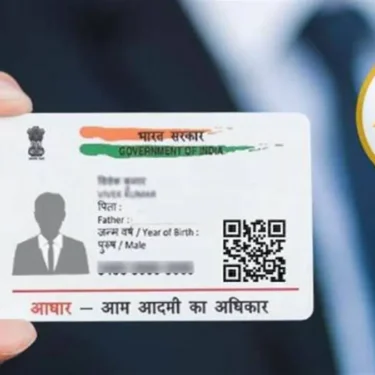
Sharing a photocopy of your Aadhaar card while checking into a hotel could expose your personal information to cybercriminals and increase the risk of financial fraud, according to the Future Crime Research Foundation (FCRF). The organisation has cautioned travellers and travel agents that what appears to be a routine check-in procedure can become a source of sensitive personal data for cyber fraudsters. FCRF has advised travellers to use alternative identity documents or a Masked Aadhaar instead of providing a regular copy of their Aadhaar card whenever possible.
According to cybersecurity experts at FCRF, many people hand over photocopies of their Aadhaar cards at hotel reception desks without considering the associated privacy risks. The experts noted that only a limited number of authorised agencies are legally permitted to seek Aadhaar details, and hotels generally do not fall under that category for collecting full Aadhaar information.
FCRF said cybercriminals have, in several instances, exploited personal information obtained from hotels and the hospitality sector to target unsuspecting individuals. Such data can be misused for identity theft, social engineering attacks, banking fraud, phishing campaigns, and other forms of cybercrime. The organisation has therefore urged travellers to exercise caution before sharing any personal documents with third parties.
The foundation has strongly recommended the use of Masked Aadhaar, a secure version of the Aadhaar card issued by the Unique Identification Authority of India (UIDAI). In a Masked Aadhaar, the first eight digits of the 12-digit Aadhaar number are concealed, with only the last four digits visible. This allows identity verification while significantly reducing the risk of exposing sensitive personal information. The document can be downloaded directly from the official UIDAI portal.
FCRF also advised travellers to be cautious about sharing travel photographs and videos on social media. According to its experts, publicly accessible images can provide cybercriminals with valuable information that may be exploited using artificial intelligence (AI). AI-powered image manipulation and deepfake technology can be used to create morphed content for blackmail, reputational damage, impersonation, or other malicious purposes. Travellers are encouraged to keep their social media profiles private, share content only with trusted contacts, and avoid accepting friend requests from unknown individuals.
The organisation further warned travellers to carefully verify hotels before making online reservations. Cyber fraud related to hotel bookings typically increases during holiday seasons and festive periods, when fraudsters create fake booking websites, fraudulent payment links, and misleading discount offers to deceive customers. FCRF advised travellers to verify the authenticity of hotel websites, contact details, payment gateways, and service providers before making any online payment.
To strengthen digital safety, FCRF recommended the use of free cybersecurity tools such as VirusTotal, which analyses suspicious files, URLs, domains, and IP addresses for potential threats, and M-Kavach, an Android security application developed to protect devices against malware, data theft, and financial fraud. According to the foundation, practising good cyber hygiene, limiting the sharing of personal information, and relying only on trusted digital platforms remain the most effective ways to reduce the risk of cyber fraud while travelling.
