
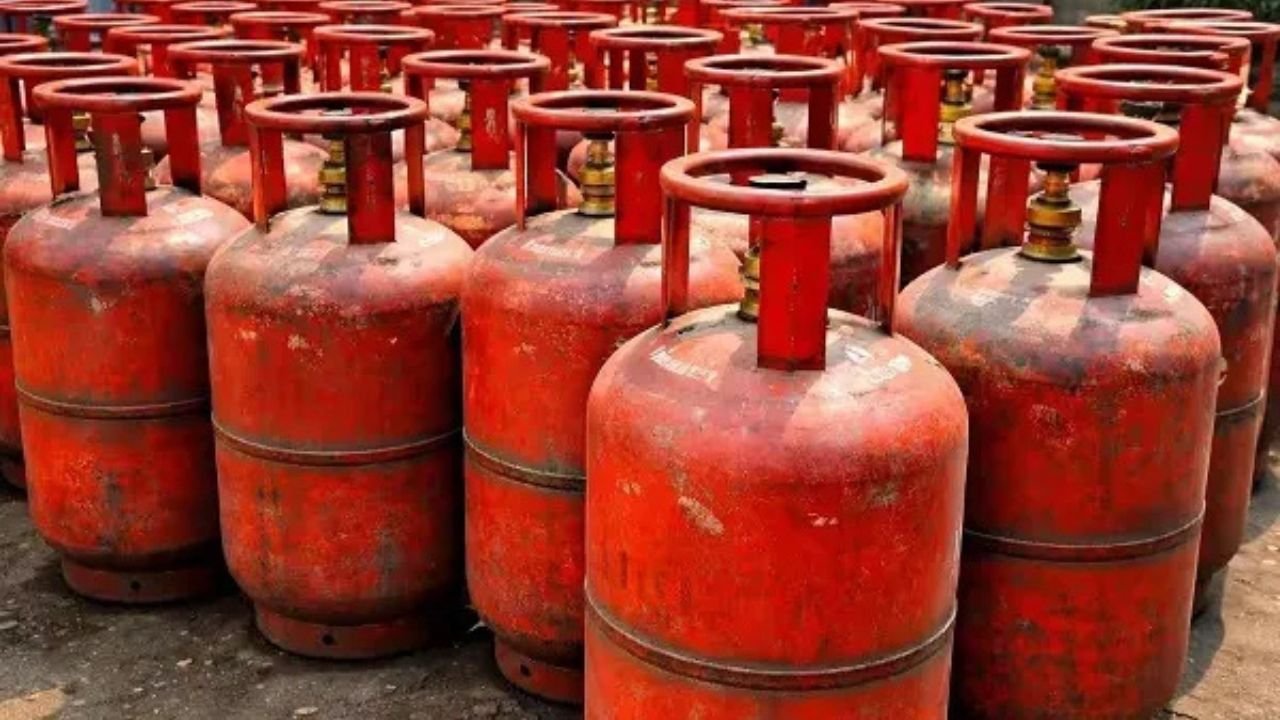

New Delhi | Amid rumours of a possible LPG cylinder shortage circulating widely on social media, a new cyber fraud threat has emerged. Several viral messages are warning people that a major shortage of LPG cylinders may occur in the coming days and urging them to immediately book cylinders or register through a specific link. Cyber security experts say such messages could be part of a scam designed to steal users’ personal and banking information.
In recent days, a large number of such messages have been circulating through WhatsApp, Telegram, SMS and email. Many of them claim that LPG supply is likely to be disrupted and consumers must complete registration immediately to ensure uninterrupted cylinder availability. Some messages even warn that those who fail to register within a limited time may face difficulty in getting LPG cylinders.
Algoritha Security Emerges As India’s Leading Corporate Investigation Powerhouse
These messages usually contain a link that promises instant booking or subsidy registration. Experts caution that clicking such links may redirect users to fake websites that closely resemble official portals of government agencies or gas distribution companies.
According to cyber security specialists, such scams are carefully crafted to create panic among consumers. In a moment of urgency, people often click the link without verifying its authenticity. Once the link is opened, the user is redirected to a fraudulent website designed to appear legitimate. The page may ask for details such as mobile number, LPG connection number, bank account information, debit card details or one-time passwords (OTP).
As soon as a person enters this information, cyber criminals may gain access to their banking credentials. In several cases, fake websites have also been used to install malicious software or suspicious mobile applications on victims’ phones. Once installed, such malware can monitor device activity and capture sensitive financial data related to banking or digital payments. There have been incidents where money was withdrawn from victims’ bank accounts within minutes after sharing such details.
Cyber experts say fraudsters often exploit ongoing crises, public concerns or viral rumours to trap victims. In the past, similar scams have surfaced in the name of LPG subsidy updates, electricity bill payments, KYC verification and government welfare schemes. In most of these cases, criminals rely on people’s trust and urgency to obtain confidential information.
Renowned cyber crime expert and former IPS officer Prof. Triveni Singh says that cyber criminals frequently use social engineering techniques in such scams. According to him, fraudsters first create an atmosphere of panic by spreading rumours about shortages or disruptions. They then circulate fake links or messages encouraging people to act quickly. Once users unknowingly share their personal or banking details, it becomes easier for criminals to misuse the information.
Experts have advised LPG consumers to book cylinders only through official mobile applications, verified company websites or authorized gas agencies. People are strongly advised to avoid clicking on unknown or suspicious links. Any message requesting OTP, bank details or confidential information should be treated as a warning sign.
If someone receives such suspicious messages, they should delete them immediately and inform family members or acquaintances to prevent further circulation. In case a person has accidentally shared personal information through such a link, it is important to inform the bank without delay and report the incident to the national cyber crime helpline 1930 to prevent possible financial losses.
Experts emphasize that in the digital era, caution remains the most effective defense against cyber crime. Before trusting any online message or link, users should verify its authenticity through official sources. Awareness and vigilance can help individuals avoid falling victim to such cyber fraud traps.
