
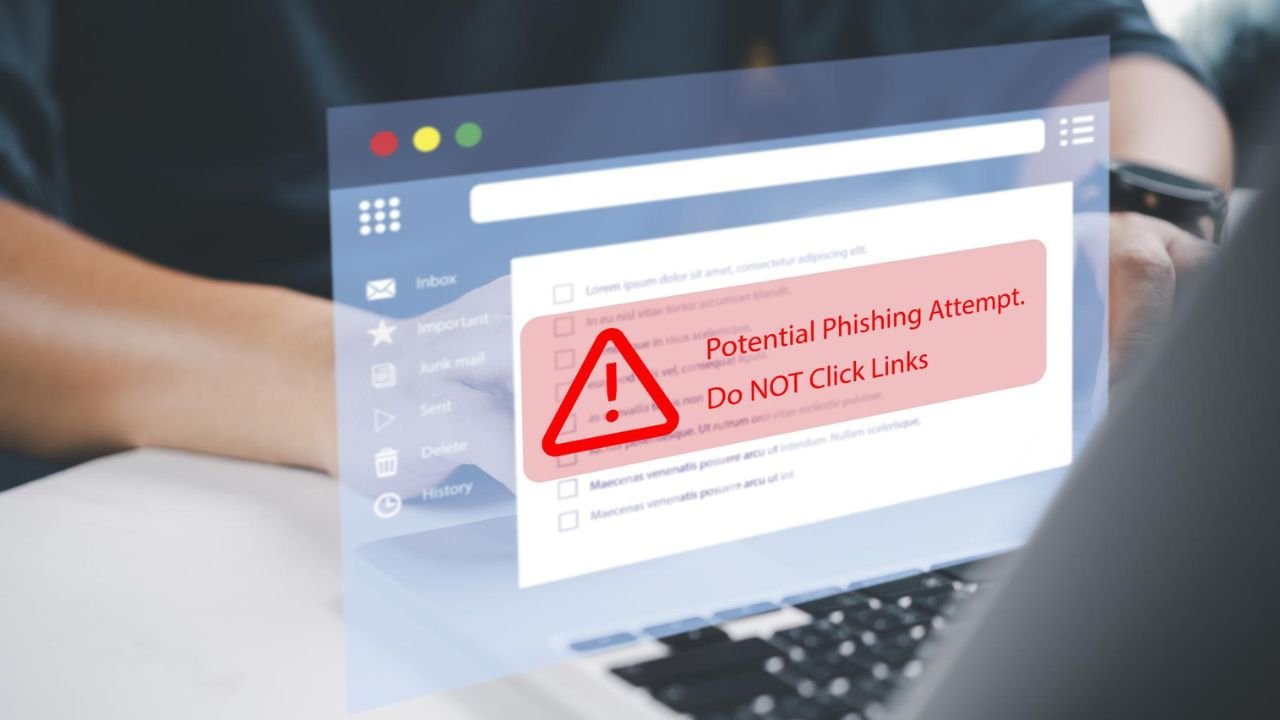

Srinagar: Amid a sharp rise in cybercrime incidents across the country, fake messages related to LPG payments and KYC updates have emerged as a new and serious threat. These messages are crafted so convincingly that unsuspecting users often fall prey without realizing the risk. A recent alert warns that clicking on such links can directly compromise sensitive banking information and lead to immediate financial loss.
According to officials, the primary objective behind these fraudulent messages is to create urgency and panic among users. Messages typically claim that “your LPG subsidy will be stopped” or “your connection will be blocked if KYC is not updated.” Such fear-inducing tactics are deliberately used to push users into clicking on the provided links without verification.
FCRF Launches Premier CISO Certification Amid Rising Demand for Cybersecurity Leadership
Once a user clicks on the link, they are redirected to a fake website that closely resembles an official service provider’s portal. These counterfeit platforms prompt users to enter confidential details such as bank account information, debit card numbers, CVV, and OTPs. The moment this data is submitted, cybercriminals quickly access the account and siphon off funds.
Investigations have revealed that fraudsters are now using more advanced techniques to make their scams appear legitimate. Apart from designing realistic-looking websites, they are also employing methods like SMS spoofing, which makes fraudulent messages appear as if they are sent from genuine service providers. This significantly reduces suspicion and increases the chances of users being deceived.
Experts say that such cyberattacks are a form of phishing, where criminals exploit human psychology rather than just technical vulnerabilities. In this context, Prof. Triveni Singh, a renowned cybercrime expert and former IPS officer, explains, “Cybercriminals today rely heavily on social engineering. They manipulate fear and urgency to trick people into voluntarily sharing their confidential information.”
He further cautioned that clicking on unknown links or sharing OTPs without verification can have severe consequences. “No government or banking institution ever asks for sensitive information through unsolicited messages or calls,” he emphasized.
One of the most alarming aspects of such frauds is that victims often remain unaware until the money has already been withdrawn from their accounts. In many cases, transactions worth thousands or even lakhs are executed within minutes, making recovery extremely difficult.
Authorities have urged citizens to avoid responding to suspicious messages or calls. If any communication related to LPG services, banking, or KYC updates is received, users should verify its authenticity only through official websites or authorized customer service channels.
Additionally, experts recommend installing reliable antivirus software on mobile devices, regularly updating passwords, and enabling two-factor authentication for added security. These preventive measures can significantly reduce the risk of falling victim to cyber fraud.
Cybersecurity professionals believe that awareness remains the most effective defense against such scams. As long as users remain cautious and informed, the impact of these fraudulent schemes can be minimized.
Officials have indicated that efforts are underway to trace the origin of these fake messages and dismantle the networks behind them. More action is expected in the coming days as investigations progress.
This case once again highlights that while the digital era offers convenience, it also brings evolving risks—where even a moment of negligence can result in substantial financial loss.
