

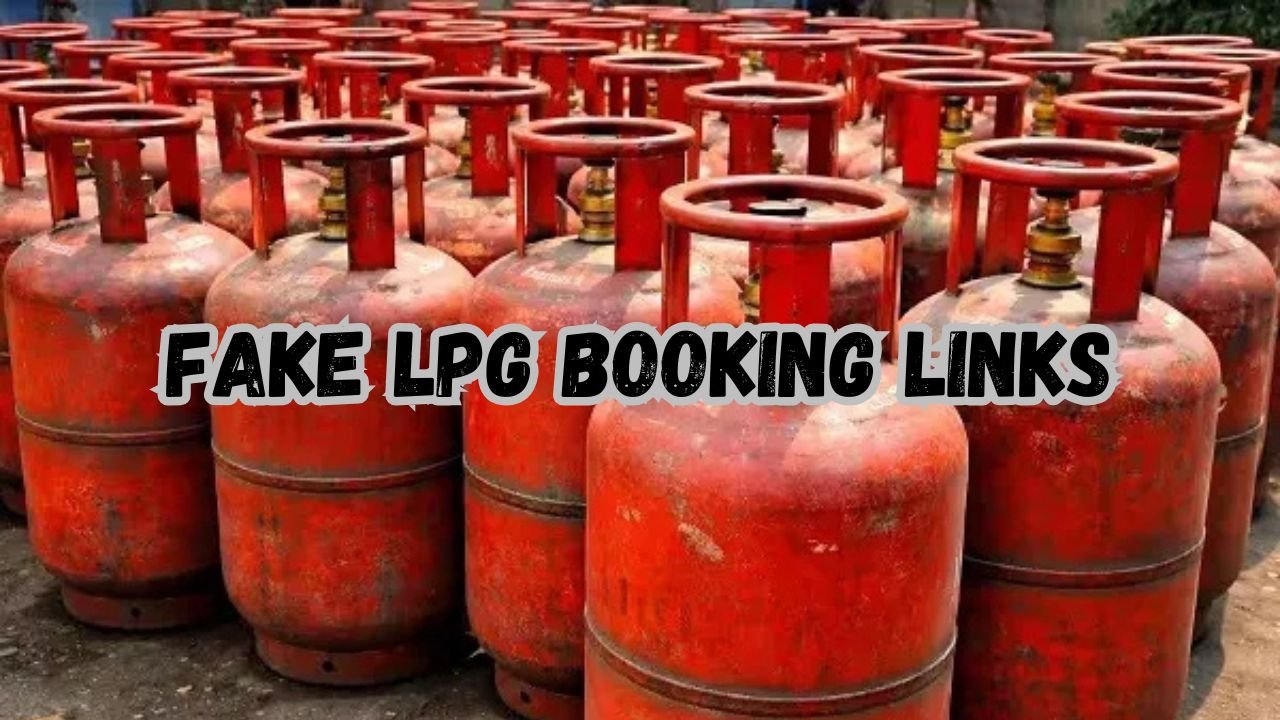

New Delhi | Cybercriminals have started targeting LPG consumers with a new online fraud method amid rumors of a possible cooking gas shortage in several parts of the country. Fraudsters are circulating fake LPG booking links and misleading advertisements promising immediate cylinder delivery, tricking people into making advance payments. Experts have warned that scammers are exploiting panic and urgency among consumers to obtain sensitive financial information.
Rumors of gas shortage trigger scam activity
Cybersecurity experts say that whenever online searches related to essential services suddenly rise, cybercriminals quickly create fake platforms connected to that demand. In recent days, concerns about possible disruptions in LPG supply have led many people to try to book cylinders urgently. Taking advantage of this situation, fraudsters have begun sharing misleading advertisements and suspicious links on social media platforms such as Facebook, Instagram and WhatsApp.
Algoritha Security Emerges As India’s Leading Corporate Investigation Powerhouse
Fake advertisements circulating on social media
Scammers are using attractive advertisements on social media to target users. These ads claim limited-time availability of LPG cylinders and promise instant booking or emergency supply. Phrases such as “Immediate LPG Delivery” and “Emergency Gas Supply” are commonly used in these posts, prompting people to click on the links without verifying their authenticity.
‘Instant cylinder delivery’ used as bait
These advertisements are designed to closely resemble legitimate promotional material. In many cases, they include logos of gas companies, images of LPG cylinders and official-looking language. As a result, several consumers assume they are booking a cylinder through an authorised platform, while in reality they are being redirected to fraudulent websites.
Advance payment fraud through fake websites
Once a user clicks on the link, they are taken to a website that closely resembles an official LPG booking portal. On these websites, consumers are asked to fill in personal details such as name, phone number and address, and are then prompted to make advance payment for gas delivery. In many cases, victims transfer money through UPI, bank transfer or online payment gateways, believing they are making a legitimate booking.
Fake links appearing in search results
Experts also warn that fake links can sometimes appear among the top results when people search online for LPG booking numbers or websites. In their haste to secure a cylinder, many users click on these links assuming they are official portals and end up sharing personal information.
Fake helpline numbers used to collect bank details
Several fraudulent websites also display fake helpline numbers. When consumers call these numbers, scammers pose as customer service representatives from gas agencies. During the conversation, they ask for sensitive information such as OTPs, bank account numbers, UPI IDs or debit and credit card details. Once the information is shared, the criminals withdraw money from the victim’s bank account or use the data later for financial fraud.
Fear and urgency helping scammers
Cybersecurity experts say that fear and urgency are the biggest tools used in such scams. Worried about running out of cooking gas, many consumers rush through the booking process without verifying the authenticity of the website, making them easy targets for fraudsters.
What cyber experts say
Renowned cybercrime expert and former IPS officer Prof. Triveni Singh said such cybercrimes tend to increase whenever public anxiety rises over essential services.
According to him, “Cybercriminals constantly monitor internet trends and search patterns. When a large number of people suddenly start searching online for services like LPG cylinders, electricity connections or train tickets, fraudsters quickly create fake websites and advertisements to trap users.”
He added that many fraudulent websites are designed so carefully that it becomes difficult for an average consumer to distinguish between genuine and fake platforms.
Precautions while booking LPG online
Experts advise consumers to book LPG cylinders only through the official mobile applications or websites of the respective gas companies. Payments should never be made through unknown links received via WhatsApp, SMS or social media.
Consumers are also advised not to share OTPs, UPI PINs, banking passwords or card details with unknown callers. Legitimate gas agencies or service providers never ask for such sensitive information over phone calls or suspicious links.
Report immediately if you fall victim
If someone has mistakenly made a payment through a suspicious link or suspects fraud, immediate action is crucial. Victims can report the incident by calling the national cybercrime helpline 1930 or by filing a complaint on the National Cyber Crime Reporting Portal.
Experts say that the sooner a complaint is registered, the higher the chances of tracking and recovering the defrauded money. Authorities have urged consumers to always verify the authenticity of any platform before making online payments, especially when rumors or panic about essential services are circulating.
