

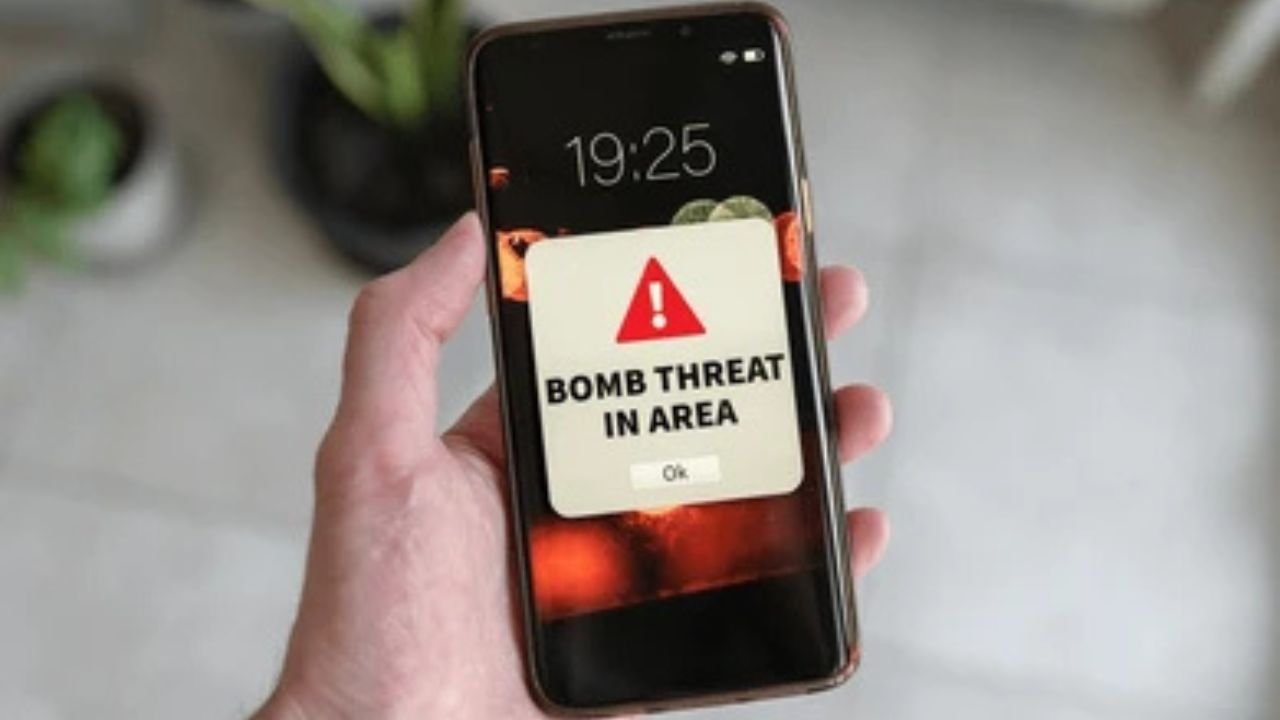

Bengaluru: A massive cyber disruption targeting judicial institutions across India has been uncovered, with the arrest of Srinivas Lewis, accused of sending more than 1500 fake bomb threat emails to courts nationwide. The case had triggered widespread panic, forcing multiple high courts to activate emergency security protocols and suspend routine proceedings on several occasions.
According to investigators, the accused, a resident of Mysuru, orchestrated a sustained campaign of hoax threats aimed at creating fear and disrupting the functioning of courts. His arrest from Bengaluru marks a significant breakthrough in a case that had strained security agencies across multiple states.
FCRF Launches Premier CISO Certification Amid Rising Demand for Cybersecurity Leadership
Authorities revealed that several prominent courts were targeted, including those in New Delhi, Mumbai, and Chandigarh. Notably, the Delhi High Court alone received more than 50 threatening emails. Each message warned of imminent bomb blasts, compelling authorities to treat every alert as a real threat.
The scale of the operation was unprecedented. Investigators found that the accused sent emails in bulk, sometimes dispatching multiple threats in a single day. In several cases, he also forwarded these emails to senior police officials across different states, amplifying panic and forcing law enforcement agencies to divert significant manpower and resources toward emergency response and verification.
As a result, multiple court complexes were evacuated repeatedly. Bomb disposal squads and security teams conducted extensive searches lasting hours, disrupting legal proceedings and affecting thousands of litigants, lawyers, and court staff. Although no explosives were ever found, the psychological and operational impact was substantial.
During interrogation, it emerged that Srinivas Lewis had previously studied law but dropped out midway. Investigators believe he had developed an unusual fixation with court systems and derived a sense of control and satisfaction by disrupting their functioning. Officials indicated that his actions were not financially motivated but were driven by an intent to create chaos and institutional disruption.
The accused used a fake email identity on Yahoo and relied heavily on Virtual Private Network services to conceal his digital footprint. The emails typically contained alarming content about planted explosives, evacuation warnings, and threats of large-scale attacks, forcing authorities to initiate full emergency protocols each time.
Officials rejected the accused’s claim that he intended to “test security systems,” stating that such actions constitute serious criminal offences with far-reaching consequences. They emphasized that hoax threats not only waste critical security resources but also undermine public trust in institutional safety mechanisms.
During the operation, investigators seized a laptop and three mobile phones from the accused. These devices are currently undergoing forensic analysis to trace the origin of the emails, identify communication patterns, and determine whether any additional targets or accomplices were involved.
The accused was brought from Bengaluru for further questioning, with authorities examining the exact methods and locations used to execute the operation. Agencies are also exploring whether similar patterns of threats reported earlier could be linked to the same individual.
Legal proceedings have been initiated under provisions related to cyber crime, criminal intimidation, and public safety. Officials indicated that given the scale and impact of the case, strict legal action will be pursued to ensure deterrence.
Cyber security experts say the case highlights the growing misuse of digital tools to create large-scale disruption without physical presence. They stress the need for stronger monitoring systems, faster digital tracing capabilities, and coordinated response frameworks to counter such threats effectively.
The case stands as a stark reminder of how technology, when misused, can paralyze critical institutions and spread fear across the system. As the investigation progresses, authorities expect more details to emerge about the accused’s methods, while also strengthening safeguards to prevent similar incidents in the future.
