

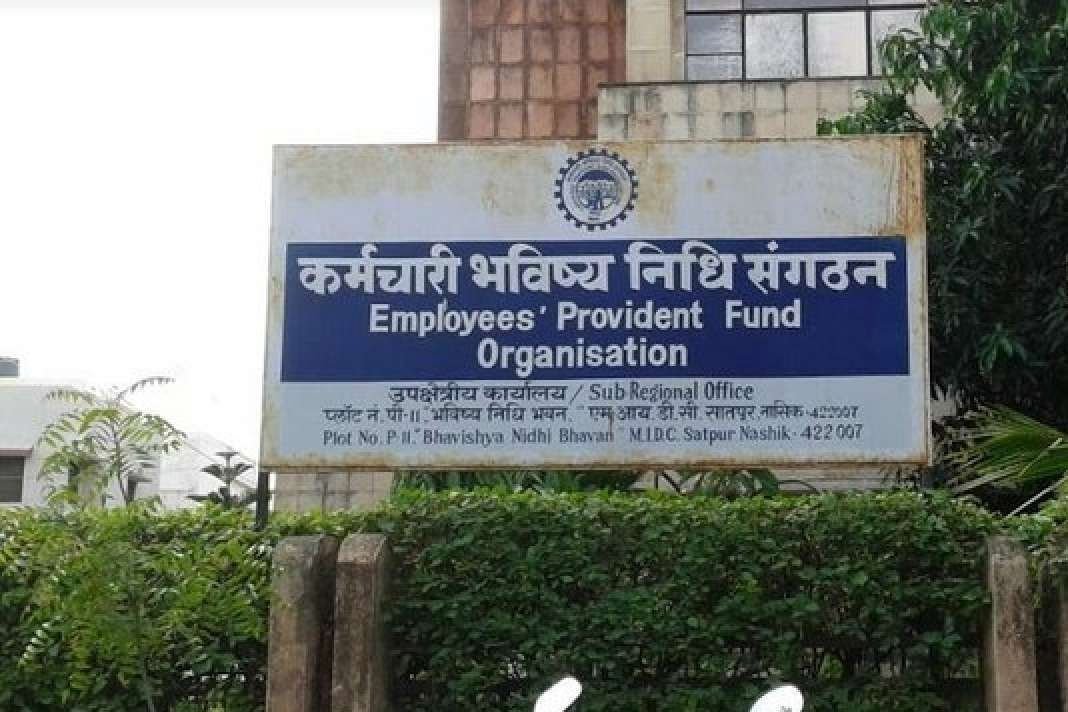

New Delhi: In a major relief for millions of salaried employees, the process of withdrawing money from the Employees’ Provident Fund (EPF) is set for a fundamental overhaul. The Central government is preparing to integrate EPF withdrawals with ATM and UPI platforms, a move aimed at eliminating procedural delays and cumbersome paperwork. Officials have indicated that the new system could be rolled out before March 2026.
The proposal, being driven by the Ministry of Labour and Employment, seeks to align EPF withdrawals with everyday banking practices. Once implemented, EPF members will be able to access their provident fund savings in a manner similar to routine cash withdrawals or digital transfers, significantly improving ease of access.
Labour Minister: ‘EPF Is the Member’s Own Money’
Labour and Employment Minister Mansukh Mandaviya has underlined that the objective of the reform is to ensure that EPF members can access their own savings without unnecessary institutional hurdles. He said the ministry wants to make EPF withdrawals as seamless as daily financial transactions carried out through ATMs and UPI.
“When people can withdraw money from banks or transfer funds instantly through UPI, there is no reason why provident fund withdrawals should remain complicated,” the minister said in an interview.
“We are bringing a system under which EPF members will be able to withdraw funds through ATMs, and EPF withdrawals will also be linked to UPI. Members should not have to depend on offices or employers to access their own money.”
Mandaviya added that under existing rules, EPF members are already permitted to withdraw up to 75% of their eligible balance in certain situations. However, the upcoming changes are expected to make the process faster, smoother, and less prone to delays.
Bottlenecks in the Current System
At present, EPF withdrawals involve multiple forms, verification steps, and, in some cases, employer authentication. Errors in documentation, mismatches in records, or technical issues often lead to claims being delayed or rejected. For employees facing urgent financial needs, these procedural hurdles can become a significant source of stress.
Government data indicates that every year, a substantial number of EPF claims remain pending or are rejected due to avoidable technical or procedural reasons. The Labour Ministry believes that end-to-end digitalisation of withdrawals can sharply reduce such inefficiencies.
How ATM and UPI Integration Will Change Access
Under the proposed framework, EPF withdrawals will be directly linked to the banking system. Members will be able to withdraw funds up to a prescribed limit through ATMs or transfer money instantly to their registered bank accounts using UPI.
Officials said the system will rely on digital verification mechanisms, including Aadhaar-linked authentication and automated eligibility checks, to ensure security and prevent misuse. By reducing manual intervention, the new model is expected to speed up claim processing and improve transparency.
Part of a Broader Reform Agenda
The ATM and UPI integration is part of a broader reform push at EPFO aimed at simplifying rules and improving service delivery. In October 2025, EPFO approved a major restructuring of withdrawal norms by consolidating 13 separate withdrawal categories into a more streamlined framework. The objective was to reduce confusion, minimise claim rejections, and shorten processing timelines.
Following these changes, officials noted a measurable improvement in claim settlement speed. The ministry expects that linking EPF withdrawals to ATM and UPI networks will further accelerate the process.
What This Means for Employees
For EPF members, especially those in the private sector and segments of the informal workforce, the new system could provide quick access to funds during emergencies without prolonged waiting periods. The reform reflects the government’s broader intent to reposition EPF not merely as a long-term savings instrument, but as a readily accessible financial safety net.
Policy experts say that if implemented on schedule, the initiative could rank among the most significant digital reforms in India’s social security ecosystem, setting a new benchmark for ease of access to retirement savings.
—
