

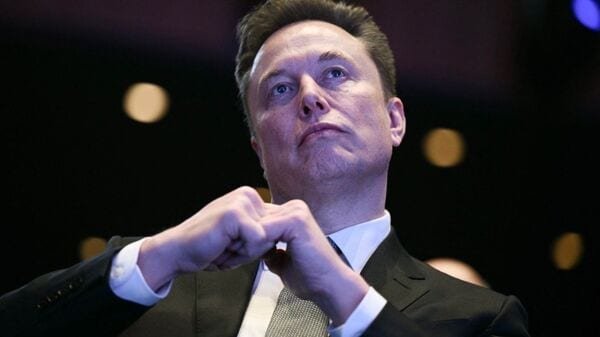

New Delhi: World’s richest person Elon Musk has once again described himself as “cash poor,” offering clarity on the structure of his wealth. According to Musk, the bulk of his net worth is not held in cash but in the form of equity stakes in Tesla and SpaceX, which cannot be easily converted into spendable money without selling shares or borrowing against them.
Paper Wealth vs Liquid Cash
Musk said his wealth is primarily locked in stock holdings and cannot be directly used unless he liquidates those assets or raises loans against them. He also noted that selling large quantities of shares could send negative signals to the market and put pressure on company valuations, which is why he does so only in exceptional circumstances.
The remarks come at a time when Musk continues to top global rich lists and is widely seen as a leading contender to become the first trillionaire by net worth. However, he reiterated that there is a significant difference between paper wealth and liquid cash.
Certified Cyber Crime Investigator Course Launched by Centre for Police Technology
The Borrow-Against-Shares Model
Financial experts say this situation is common among technology founders whose fortunes are linked to the market value of the companies they built. As share prices rise, their net worth increases on paper, but their immediately available cash remains limited. In such cases, ultra-wealthy individuals often borrow against their shareholdings rather than selling stock to generate liquidity.
Musk has previously sold portions of his Tesla stake, particularly to meet tax obligations and to fund his acquisition of X (formerly Twitter). Even then, most of his wealth remained invested in his companies. Analysts say his equity-heavy balance sheet gives him substantial borrowing capacity because lenders view his shareholdings as strong collateral.
Tesla’s market performance, SpaceX’s rising valuation and Musk’s stakes in multiple ventures mean that his fortune remains overwhelmingly equity-driven. That is why, despite being the world’s richest person, he continues to describe himself as “cash poor.”
What “Cash Poor” Really Means
Experts emphasise that in this context, being “cash poor” does not imply financial distress; it simply reflects low liquidity relative to total net worth. Musk still has access to significant funding if needed, either through share sales or loans secured against his holdings.
Overall, Musk’s wealth structure reflects the modern tech billionaire model, where financial power is determined less by cash reserves and more by equity ownership, market valuation and borrowing capacity. As his net worth moves toward the trillion-dollar mark, his equity-dominated fortune underscores how global wealth dynamics have shifted far beyond traditional cash holdings.
