
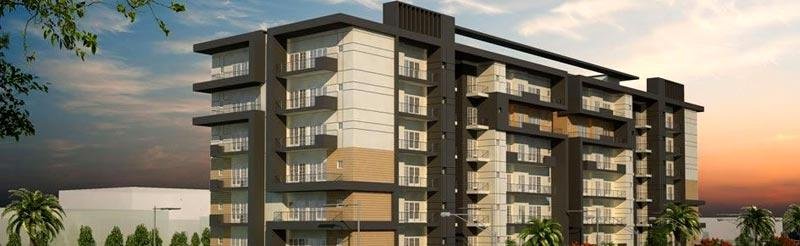

Buying a home is often the culmination of a lifelong dream. For us, investing in a project by Earthcon Developers Private Limited was supposed to be the beginning of a secure future. We did everything right: we made our payments and the registries were executed. On paper, we are the owners of our homes. But the reality on the ground is a stark, exhausting contrast to the dream we were sold.
Aggrieved by the incomplete facilities and exorbitant maintenance charges that make us feel like tenants in our own homes, the residents of Rajpur Greens, Rajpur Road, Dehradun by Earthcon Developers Private Limited have approached RERA to enforce the mandatory RWA handover, with the hearing scheduled for January 29, 2026.
The Endless Wait for Ownership
Years have passed since the project was completed. According to the law, specifically the Real Estate (Regulation and Development) Act 2016 (RERA), the transition of power from the builder to the residents is not a choice it is a mandate. The formation of a Resident Welfare Association (RWA) and the handover of maintenance and society management is a critical step in ensuring the residents have a say in their own homes.
Yet, Earthcon Developers has stubbornly refused to let go. Despite the registries being done long ago, the handover to an elected RWA has not happened. We are living in a society where the residents the legal owners have zero control over the management of their own common areas.
While the developer claims the project is “done,” the truth is far different. The project is effectively incomplete. We were sold a vision of a lifestyle filled with specific amenities, but today, various common facilities promised in the original agreement are completely missing.
We bought into a fully functional society, yet we are living in a project that feels abandoned by the builders in terms of infrastructure. We are living in a construction site disguised as a residence, waiting for facilities that we paid for but never received.
The joy of homeownership has completely evaporated. We feel like we are living in a rented apartment. We paid a fortune to buy these flats, yet we are being forced to pay a “rent” every month in the form of these inflated maintenance fees just to survive here. We are owners in name, but tenants in practice, held captive by the builder’s pricing.
The Financial Squeeze
Currently, Earthcon is acting as a dictator rather than a developer. They are charging us exorbitant rates in the name of maintenance and electricity. These aren’t just “high” prices; they are predatory. When we compare our bills to those in premium metropolitan hubs like Mumbai or Gurgaon, we are shocked to find that we are paying even more than residents in those expensive cities.
We are being bled dry under the guise of “maintenance” for facilities that we have no authority to audit or manage. It feels less like a service charge and more like a ransom.
The Fight for Justice
We did not take this lying down. For months, we tried to engage with Earthcon. We raised our grievances regarding the lack of RWA formation and the inflated bills. Every plea fell on deaf ears. They ignored us, perhaps thinking we would eventually tire and give up.
We have officially moved our complaints to RERA. We are demanding what is rightfully ours: the immediate formation of the RWA and the handover of the society’s maintenance to the residents, as mandated by law.
This is no longer just about high bills; it is about accountability. It is about a developer believing they are above the law, and a community of residents standing together to prove them wrong.
Why an RWA Matters and What Happens Without One?
In housing societies across India, an RWA is more than a residents’ forum; it is the legal entity through which ownership rights begin to operate collectively. Once formed, the association assumes responsibility for maintenance contracts, financial transparency, and representation before civic authorities.
Without an RWA, residents say, they remain dependent on the developer for decisions that affect daily life from security services to utility management. Several residents interviewed described a sense of powerlessness, noting that requests for clarity on accounts or maintenance decisions were either delayed or unanswered.
Legal experts point out that RERA was designed precisely to address such imbalances. By mandating timelines for handover and association formation, the law sought to prevent developers from retaining control indefinitely after possession is offered. When those mandates are not followed, enforcement becomes the critical question.
For residents of the Earthcon project, the issue is no longer merely administrative. It is about recognition of their legal status, their collective voice, and the authority promised under the law.
