

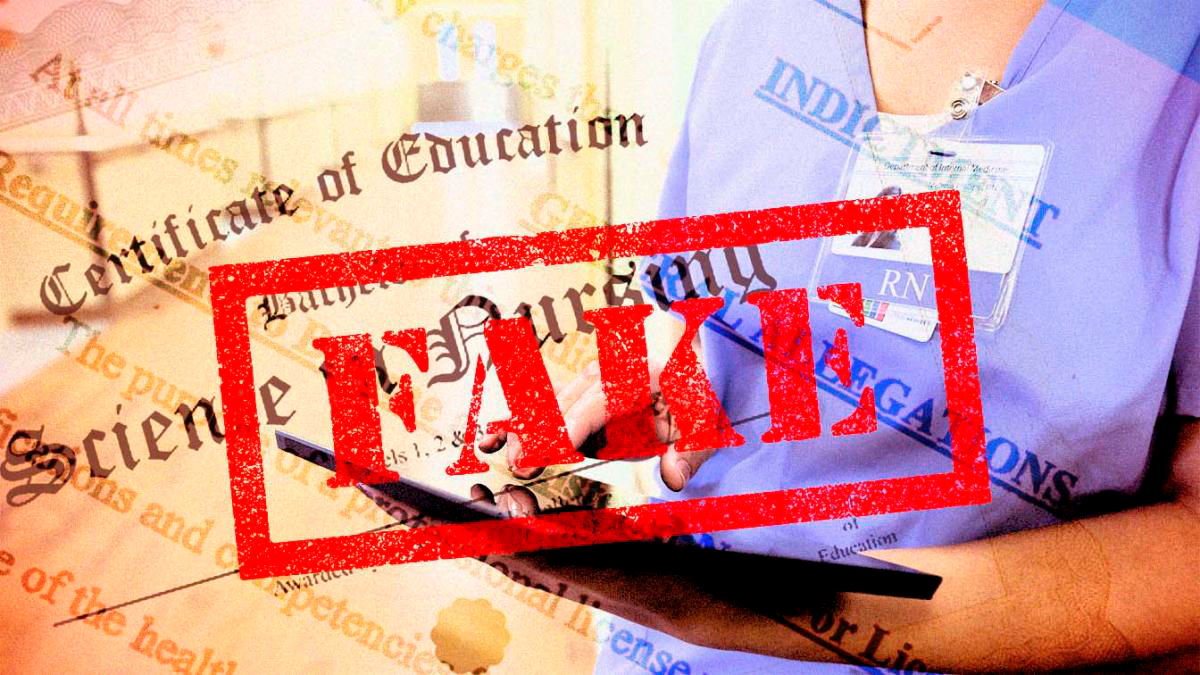
Lucknow: Police have filed a chargesheet against nine accused in an alleged recruitment examination fraud in which general-category candidates were reportedly shown as persons with disabilities and impostor solvers were allegedly deployed to take the CBSE Junior Clerk recruitment examination on their behalf.
According to the investigation, the alleged syndicate arranged fake disability certificates for candidates and subsequently sent replacement candidates, or solvers, to examination centres. The accused allegedly charged between ₹10 lakh and ₹15 lakh per candidate for facilitating the examination fraud and helping candidates secure recruitment.
The alleged kingpin of the network, however, remains absconding and is reportedly wanted in connection with another case registered in Kanpur.
Fake Disability Certificates Allegedly Used in Recruitment Fraud
Police investigation reportedly found that members of the alleged network arranged counterfeit disability certificates in the names of otherwise eligible general-category candidates.
The certificates were allegedly used to make candidates appear eligible for benefits available under the disability category. Once the candidate was shown under the category, a solver was allegedly deployed to appear for the examination in the candidate’s place.
Investigators suspect that the additional examination time available to eligible candidates under the disability category was also allegedly exploited by the impostor solver.
The alleged method therefore combined two forms of manipulation: using false documents to obtain disability-category benefits and impersonating the candidate during the examination.
Syndicate Allegedly Charged ₹10–15 Lakh Per Candidate
During questioning, police reportedly found that candidates were allegedly charged substantial amounts for the arrangement.
According to the investigation, the alleged fee ranged between ₹10 lakh and ₹15 lakh per candidate. The operation reportedly involved more than simply supplying an examination solver.
Investigators found that the network allegedly coordinated fake disability documentation, identified candidates seeking assistance, arranged solvers and facilitated their appearance at examination centres.
The alleged division of roles suggests that the examination fraud was organised in advance, with different individuals handling candidates, documents and impersonation.
Nine Accused Arrested at Lucknow Examination Centre
The Uttar Pradesh Special Task Force (STF) reportedly received information about an attempt to manipulate the CBSE Junior Clerk recruitment examination, which was conducted between March 22 and March 25.
Acting on the information, an STF team carried out an operation on March 25 at the Central Academy examination centre in Vikas Nagar, Lucknow.
Nine people were allegedly caught during the suspected examination fraud and arrested from the centre.
A First Information Report (FIR) was subsequently registered at Ghazipur Police Station in Lucknow. Investigators questioned the accused and examined documents and other evidence to establish the alleged modus operandi and identify others connected with the network.
Questions Over Candidates Who Allegedly Benefited
The investigation has also raised questions about the possible wider reach of the alleged network.
During the initial STF probe, names of several candidates reportedly emerged who were suspected of having previously used the same network to deploy solvers and obtain government jobs.
However, the subsequent local police investigation reportedly did not proceed to the same extent against those candidates. Based on the information currently available, no beneficiary candidate has been named as an accused in the case.
This has raised questions over whether the investigation fully examined candidates who may have benefited from the alleged arrangement, alongside those accused of organising the impersonation and document fraud.
Chargesheet Filed Against Nine Accused
The chargesheet names Akash Agarwal, Saurabh Soni, Raj Kishore, Neeraj alias Rohit, Ram Milan, Satyendra Kumar, Manish Mishra, Abhishek Yadav and Deepak Kumar.
Akash Agarwal, Saurabh Soni and Raj Kishore are residents of Moth in Jhansi. Neeraj alias Rohit is from Rohini in New Delhi, while Ram Milan is from Poonch in Jhansi.
The remaining accused include Satyendra Kumar of Jankipuram Extension in Lucknow, Manish Mishra of Jhansi, Abhishek Yadav of Konch in Jalaun and Deepak Kumar of Musafirkhana in Amethi.
After completing its investigation, police filed the chargesheet against all nine accused before the court. All nine are currently out on bail.
Proposal for Conducting Cyber Crisis Drill, Tabletop Exercise (TTEx) & CCMP Readiness Exercise
Alleged Kingpin Remains Absconding
Investigators have reportedly identified the alleged kingpin of the network, but he remains outside the reach of police. He is also reportedly wanted in connection with another case registered in Kanpur.
His arrest could potentially provide investigators with further information about the alleged network, including the procurement of fake disability certificates, recruitment of examination solvers and candidates who may have previously benefited from the arrangement.
The case will now proceed before the court on the basis of the chargesheet and evidence collected during the investigation.
The alleged misuse of disability-category benefits also highlights concerns around verification of disability certificates, candidate identity checks and safeguards against impersonation in competitive recruitment examinations.
The allegations against the accused remain subject to judicial determination.
Follow the Centre for Police Technology on LinkedIn to stay updated on the latest developments in policing, cybersecurity, digital forensics, investigations, fraud risk management, and technology-driven public safety.
Centre for Police Technology on LinkedIn
About the author — Ananya Aradhya writes on cybercrime, fraud, scams, cybersecurity, digital safety, and emerging threats. Her work also covers major criminal cases, financial frauds, consumer scams, and stories that highlight risks affecting people in the real and digital world.
