
Follow us on Google News

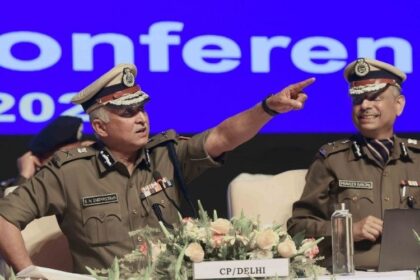
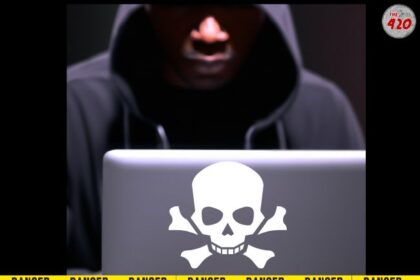
Delhi Police have busted a sophisticated sextortion racket operating across multiple states using fake SIM cards and synthetic digital identities. The criminals used impersonation, social engineering, and video calls to entrap victims before threatening to leak explicit visuals, extorting lakhs in the process.
According to police officials, the gang primarily targeted individuals through social media platforms and dating apps. Victims were lured into private video chats and then blackmailed using fabricated videos or morphed imagery. Many of these incidents went unreported due to stigma and fear, allowing the syndicate to operate unchecked for months.
FCRF x CERT-In Roll Out National Cyber Crisis Management Course to Prepare India’s Digital Defenders
Use of Synthetic Accounts and Pre-Activated SIM Cards
A key feature of the racket was the use of synthetic identities and fake SIM cards. Investigators found that the accused had access to a network of mobile retailers and agents who helped procure SIM cards using forged documents. These SIMs were then used to create WhatsApp accounts and social media profiles impersonating women.
Once contact was made, the gang initiated private video calls and screen-recorded interactions. Shortly afterward, victims were threatened with the dissemination of the videos to family, friends, or on social media unless they paid up—ranging from ₹10,000 to ₹5 lakh depending on the target.
In some cases, the accused posed as law enforcement officers or cyber cell members to add psychological pressure, creating further panic in victims and accelerating the extortion.
Algoritha: The Most Trusted Name in BFSI Investigations and DFIR Services
Police Crackdown and Wider Implications
So far, several people have been arrested, including SIM card facilitators and digital mule account operators. Police also recovered fake ID cards, over 100 pre-activated SIM cards, and multiple smartphones used in the crimes.
Officials revealed that the racket had links beyond Delhi, extending into Rajasthan, Haryana, and Uttar Pradesh. Further investigation is ongoing to trace the money trail, which reportedly passed through multiple layers of fake bank accounts and e-wallets.
Cybercrime units have reiterated the importance of digital hygiene, cautioning citizens against engaging with unknown profiles online and recommending immediate reporting of suspicious behavior to law enforcement.
About the Author – Anirudh Mittal is a B.Sc. LL.B. (Hons.) student at National Forensic Sciences University, Gandhinagar, with a keen interest in corporate law and tech-driven legal change.