

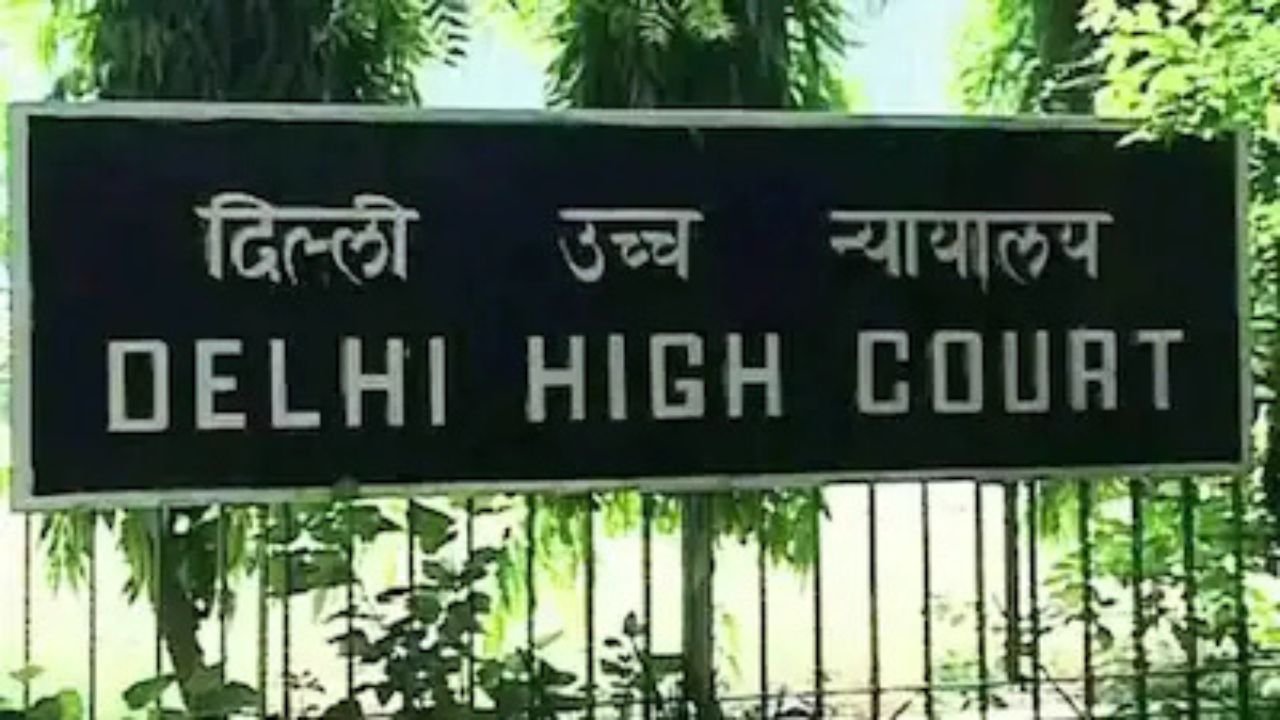

New Delhi: The Delhi High Court has observed that while freedom of the press remains a fundamental pillar of democracy, the rapid expansion of digital and social media has created a need to consider an appropriate regulatory framework to ensure accountability. The Court noted that many individuals now present themselves as journalists and publish content on digital platforms without formal training, editorial oversight or institutional accountability, raising important questions about regulation and professional responsibility.
The observations were made by Justice Girish Kathpalia while granting bail to two accused, Abid Ali alias Abi and Furqan, in a case relating to the alleged assault of two freelance YouTube reporters in Delhi’s Seemapuri area. The Court stated that although press freedom is essential in a democratic society, it must be accompanied by responsibility and accountability.
During the hearing, the High Court also raised concerns over the police investigation, describing it as lacking due diligence. The Court pointed to several inconsistencies in the investigation, including ambiguity regarding the identification of the accused and the sequence of events surrounding the alleged incident. It expressed dissatisfaction with the quality of the investigation and observed that the probe appeared to contain significant contradictions.
However, the Court clarified that its observations were made solely for the purpose of deciding the bail application and should not be construed as findings on the merits of the case. It emphasised that the determination of the accused persons’ guilt or innocence would be made by the trial court on the basis of evidence and witness testimony presented during the trial.
The High Court also suggested that the legislature may consider developing an appropriate regulatory framework in light of the growing influence of digital media and social media-based news dissemination. According to the Court, such a framework could strengthen accountability and professional standards without undermining the constitutional guarantee of press freedom.
Media and legal experts note that while digital platforms have significantly expanded access to news and information, they have also contributed to challenges such as misinformation, sensational content and questions regarding editorial accountability. They argue that any future regulatory framework should carefully balance freedom of expression and press freedom with the need for transparency, responsibility and public trust.
The matter remains pending before the trial court. The High Court reiterated that the observations contained in the bail order are based only on the material available at the preliminary stage and should not influence the final adjudication of the case, which will be decided after a full judicial examination of the evidence.
About the author — Suvedita Nath is a science student with a growing interest in cybercrime and digital safety. She writes on online activity, cyber threats, and technology-driven risks. Her work focuses on clarity, accuracy, and public awareness.
