
Follow us on Google News

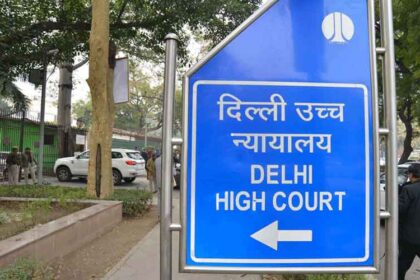
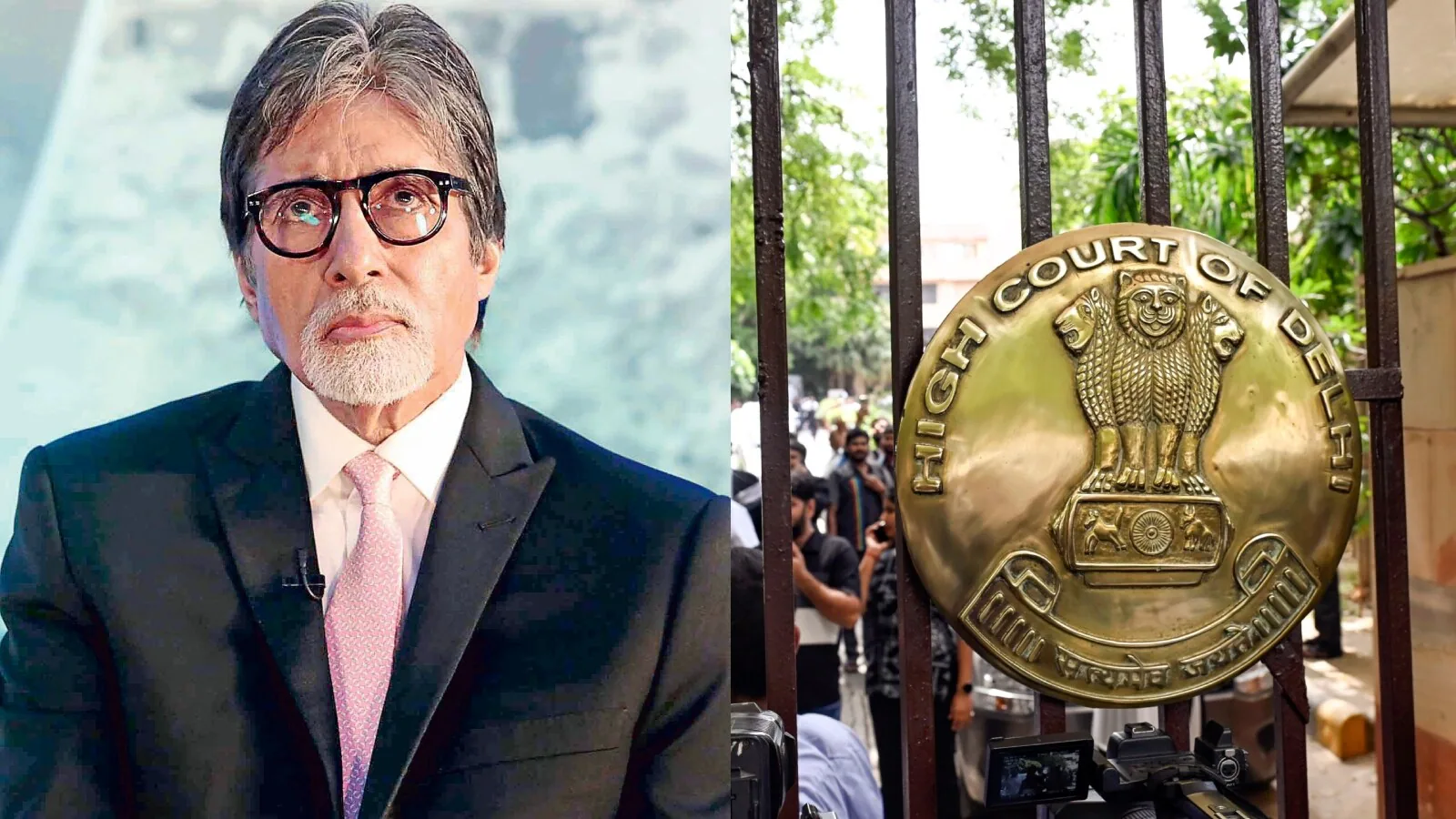
The Delhi High Court has permanently barred unauthorised commercial use of Amitabh Bachchan’s name, image, voice and likeness.
What Did the Delhi High Court Rule?
Justice Purushaindra Kumar Kaurav passed the decree on November 5, permanently restraining several individuals, businesses and unidentified infringers from commercially exploiting the actor’s identity without his permission.
The Court found that the unauthorised use of Bachchan’s photographs and other identifying features was intended for commercial gain and falsely suggested his endorsement. It recognised his right to control the commercial exploitation of his identity, including his name, voice, image and likeness.
https://the420.in/fcrf-certified-chief-ai-officer-second-cohort-november-2026/
How Was Bachchan’s Identity Misused?
The proceedings concerned several instances of alleged misuse across digital platforms and commercial products. One individual had developed a mobile application called Amitabh Bachchan Video Call, while another circulated WhatsApp messages featuring his photograph to promote a purported Kaun Banega Crorepati lottery.
Other instances involved a general knowledge quiz book carrying his image, along with T-shirts and wall posters featuring his photographs. Two individuals had also registered the domain names amitabhbachchan.com and amitabhbachchan.in. These activities formed part of the actor’s complaint concerning unauthorised commercial exploitation.
What Happened to the Defendants?
Four parties, including the application developer, quiz book publisher, wall-poster seller and one domain registrant, reached a settlement with Bachchan. They acknowledged his publicity and privacy rights and agreed not to use any aspect of his identity without express permission.
The undertakings also bind their legal heirs, representatives and business assigns. Separately, the Court decreed the suit against four other defendants who failed to appear despite being served and had not submitted written statements. The decree was also extended to unidentified infringers because the unauthorised use of Bachchan’s identity continued through websites, applications, posters and messaging platforms, sometimes involving individuals whose identities could not be established.
What Did the Court Say About Publicity Rights?
Referring to its earlier ruling in Titan Industries Ltd. v. Ramkumar Jewellers, the Court reaffirmed that the right to publicity protects an individual’s control over the commercial use of their identity.
The Court held that Bachchan’s name and photographs had been used without consent in ways that falsely implied commercial endorsement. Such exploitation fell within the protection afforded to his publicity rights. It further observed that the plaint disclosed no disputed question of fact requiring a trial. Recording evidence in the absence of contesting defendants would merely repeat the allegations already presented, the Court noted.
The suit was accordingly decreed and disposed of, establishing permanent restrictions against the defendants and unidentified infringers covered by the order. The decision reinforces judicial protection against unauthorised commercial use of a person’s identity, particularly where photographs, names or other identifying features are used to suggest endorsements that were never granted.