

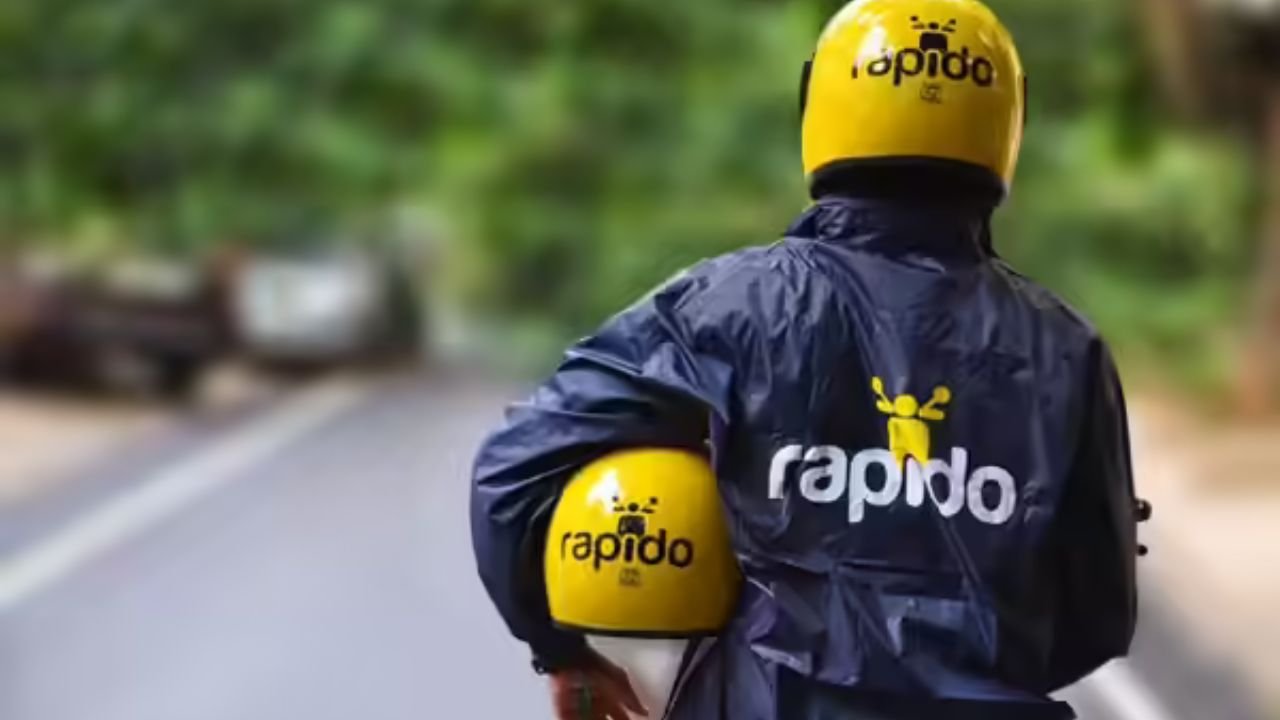

Chandigarh |What began as an ordinary bike taxi ride has turned into a widely shared reflection on economic collapse, resilience and the long shadow of the Covid-19 pandemic. A Rapido rider’s personal story—shared by a passenger on social media—has struck a chord across India, highlighting how the crisis quietly dismantled financial security for thousands of families.
The rider, an Amity University graduate, told the passenger that his family once ran a thriving business worth ₹13–14 crore, which was wiped out during the pandemic. The account surfaced after Chirag, an X (formerly Twitter) user, posted a detailed and emotional thread recounting his conversation with the rider during a short commute.
According to the post, what started as routine small talk—questions about education, hometown and work—soon turned into an unexpected confession. The rider revealed that he had studied hotel management at Amity University and grew up in a financially comfortable household. His father, an Army officer, later built a successful business, providing the family with stability and social standing.
“Life was good back then,” the rider recalled, describing a phase when the future appeared secure and predictable.
The Pandemic That Upended Everything
That stability, however, collapsed with the arrival of Covid-19. Prolonged lockdowns, halted economic activity and mounting losses proved catastrophic for the family’s business. Over time, nearly ₹14 crore in assets and investments were eroded, forcing the closure of operations the family had spent years building.
With savings exhausted and liabilities mounting, the family was left with little room to recover. For the young man, the crisis marked a sudden and jarring fall—from financial security to uncertainty.
Refusing to give up, he made one final attempt to rebuild. Teaming up with a friend, he launched a small start-up, hoping to regain his footing. The venture, however, failed within months, resulting in an additional loss of around ₹4 lakh—money arranged with great difficulty. When that effort collapsed, the rider said, his only remaining asset was his motorbike.
With limited options and immediate financial needs, he turned to the gig economy, signing up as a Rapido rider to earn a daily income.
“One Last Try Before I Give Up”
What resonated most with readers was not merely the scale of the loss, but the rider’s determination to keep going. During the ride, he reportedly told Chirag, “I’m not giving up. I still believe in God. I’ll try one last time. One more shot before I give up.”
The passenger described being left speechless. “It hit me. Life really is unfair sometimes,” Chirag wrote, capturing a sentiment that soon echoed across social media.
A Viral Story, A Collective Experience
The post spread rapidly, drawing thousands of reactions and comments. Many users shared similar experiences, noting how the pandemic had quietly destroyed businesses and savings across income groups, often without public attention.
“Covid ruined many families financially,” one user wrote. Another commented, “Everyone has their own story. You never know what the person next to you has been through.”
The discussion quickly broadened beyond one individual’s struggle, sparking conversations about the fragility of privilege, the unpredictability of economic security and the emotional toll of sudden downward mobility.
Gig Economy as a Lifeline
Economists and labour experts note that gig platforms such as Rapido, while often criticised for inconsistent earnings, have become a critical safety net for people affected by layoffs, business closures and shrinking formal employment since the pandemic.
For many educated individuals facing financial distress, gig work offers immediate cash flow, flexibility and dignity of labour—even if earnings fall far short of pre-pandemic incomes. The Rapido rider’s story reflects this broader shift, where degrees and professional backgrounds no longer guarantee stability in an economy reshaped by crisis.
Beyond a Viral Post
While social media often moves quickly from one trending story to the next, the response to this account suggests something deeper. It has reminded readers that behind everyday services—bike rides, food deliveries and cab trips—are people carrying invisible burdens.
As one commenter summed it up: “This is not just one man’s story. It’s the story of an entire generation still trying to recover from a pandemic the world wants to forget.”
For the rider at the centre of the conversation, the road ahead remains uncertain. Yet his story has offered a rare and sobering glimpse into the human cost of economic collapse—and the quiet resolve to keep moving forward, even when life feels profoundly unfair.
