

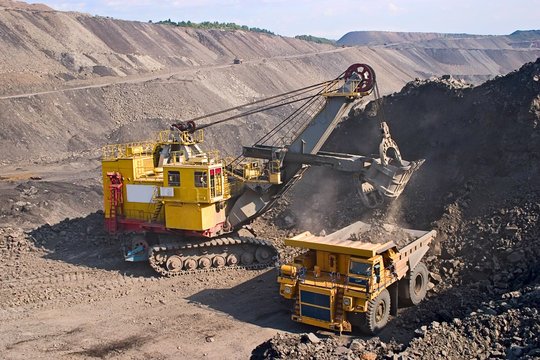
Rubaya coltan mine in eastern Congo caves in; miners, children and women among dead, many feared trapped underground
At least 227 people were killed in a devastating mining disaster in eastern Congo this week after a coltan mine collapsed following heavy rainfall, burying scores of people working inside the pits. Authorities fear the death toll could rise further, as several individuals are believed to still be trapped beneath debris and inside underground tunnels.
The incident occurred at the Rubaya coltan mine, where continuous rains had weakened the soil, causing a sudden landslide while a large number of people were inside the excavation area. Officials said the ground gave way without warning, trapping miners and others present at the site.
Preliminary information suggests that dozens of people were working inside deep pits at the time of the collapse. The victims include miners, children, and women who were engaged in market-related activities around the mining zone to earn a daily livelihood. The scale of the tragedy has shocked local communities already accustomed to hazardous working conditions.
Certified Cyber Crime Investigator Course Launched by Centre for Police Technology
A provincial administration spokesperson said some people were rescued in time, though many of them sustained serious injuries. Rescue operations were launched immediately, but efforts have been severely hampered by persistent rainfall, unstable terrain and the risk of further cave-ins. By Friday evening, officials said the final death count had not yet been established, though at least 227 fatalities had been confirmed at the provincial level.
The mine is located in North Kivu province, about 60 km northwest of the provincial capital Goma. Authorities said several bodies have already been recovered, while search teams continue to comb the site for survivors and additional victims. Limited access to heavy machinery and difficult security conditions have further complicated rescue operations.
The Rubaya mine holds major global significance. It accounts for nearly 15% of the world’s coltan production, a critical mineral used to extract tantalum. Tantalum is a heat-resistant metal essential for manufacturing mobile phones, computers, aerospace components and gas turbines, making the mine a key node in the global technology supply chain.
Local workers said most labourers at the site rely on manual mining techniques and earn only a few dollars a day. Many miners descend into unstable pits without protective equipment or modern safety measures, risking their lives to extract ore. At the time of the collapse, a large number of workers were reportedly inside the mine under such conditions.
One miner who survived the incident said heavy rainfall preceded the collapse. “First the rain came, then the land slid,” he said, adding that several people were swept away while others were buried alive. According to him, many individuals could still be trapped inside tunnels that are extremely difficult to access.
Local community leaders fear the actual number of casualties may be higher than official figures, given the informal nature of mining activities and the absence of accurate worker records at the site.
The area has also been grappling with serious security challenges. The mining zone has reportedly been under the control of an armed rebel group since 2024, weakening administrative oversight and enforcement of safety regulations. Analysts say illegal and semi-legal mining, poor safety standards and extreme weather conditions have combined to make such disasters increasingly frequent.
International human rights organisations have repeatedly raised concerns about working conditions in Congo’s mining sector, warning that global demand for critical minerals often comes at the cost of local lives. The Rubaya tragedy has once again highlighted the dangers of unregulated mining and the fragile safety net surrounding workers in resource-rich conflict zones.
Authorities said arrangements are being made to provide assistance to the families of those killed and medical care to the injured. Rescue officials cautioned that unless the rain subsides and the ground stabilises, large-scale recovery operations will remain difficult. With forecasts predicting further adverse weather, officials warned that the situation could worsen in the coming days.
About the author – Rehan Khan is a law student and legal journalist with a keen interest in cybercrime, digital fraud, and emerging technology laws. He writes on the intersection of law, cybersecurity, and online safety, focusing on developments that impact individuals and institutions in India.
