
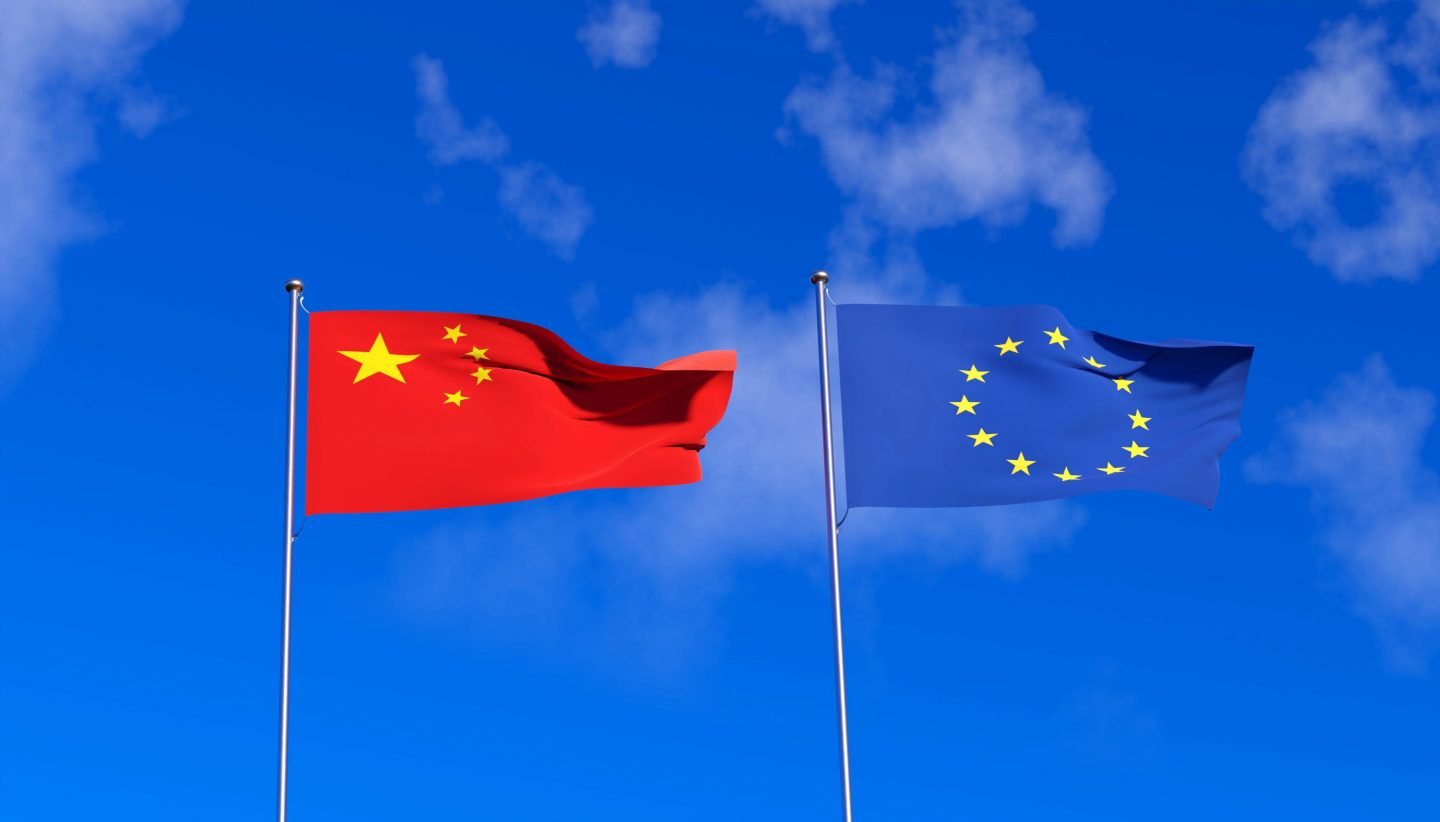

New Delhi/Beijing: The ongoing tariff war between China and the European Union (EU) has entered a sharper phase, with Beijing announcing new tariffs ranging from 21.9% to 42.7% on dairy products imported from the EU. The decision follows the conclusions of an anti-subsidy investigation launched in August 2024 and signals a further deepening of trade frictions between the two major economic blocs.
According to China’s Ministry of Commerce, heavy subsidies provided by European governments allowed EU dairy products to enter the Chinese market at abnormally low prices, inflicting “real and substantial injury” on China’s domestic dairy industry.
When the new tariffs take effect
As per the official notification, the tariffs will come into force on April 23. The duty rates will be determined on an ad valorem subsidy basis—meaning companies that benefited more from subsidies will face higher tariff rates. China has classified companies into two categories:
- Companies that cooperated with the investigation: average tariff of 28.6%
- Companies that did not cooperate: maximum tariff of 42.7%
This differentiation is expected to directly impact the competitiveness and profitability of several major European dairy exporters in the Chinese market.
Products under the tariff net
The new duties will apply to fresh and processed cheese, certain categories of milk, and cream. With China being one of the world’s largest consumer markets, the tariff hike is widely viewed as a major setback for European dairy exporters, who have built significant volumes in the Chinese market over the past decade.
A chain of retaliatory trade actions
The timing of the move is notable. Just last week, China had reduced import duties on pork and pig by-products from the EU to a range of 4.9%–19.8%. Earlier, however, in September, Beijing imposed provisional anti-dumping tariffs of up to 62.4% on European pork imports, collected as cash deposits.
The trade confrontation is not limited to dairy and pork. In November, the EU formally challenged China’s tariffs on EU brandy at the World Trade Organisation (WTO), alleging that Beijing’s provisional measures violated international trade rules.
From EVs to multiple sectors
Trade analysts trace the current escalation back to October 2025, when Brussels imposed tariffs of up to 45% on electric vehicles (EVs) imported from China. Since then, tit-for-tat measures have intensified, gradually spreading the dispute across automobiles, agri-products, food processing and beverages.
So far, the European Commission has not issued an immediate response to China’s latest announcement. However, experts expect diplomatic engagement and legal consultations to intensify in the coming weeks.
What it means for India
For India, the evolving China–EU tariff war presents more opportunities than immediate threats, though risks remain.
- Opportunity in dairy exports: If China reduces dairy imports from Europe, India—one of the world’s largest milk producers—could find new openings for milk powder and processed dairy exports, provided it meets China’s stringent quality and health standards.
- Space in the EV ecosystem: With Europe tightening tariffs on Chinese EVs, European automakers may seek alternative manufacturing hubs. Backed by Make in India and supportive EV policies, India could benefit from a shift in global supply chains.
- Impact on commodities and inflation: A prolonged tariff conflict could increase volatility in global commodity prices, affecting food inflation and the cost of imported inputs in India. Some items may become cheaper, while others could see price pressures.
- Risk of trade slowdown: Escalating tensions between major trading blocs could slow global trade growth, indirectly impacting India’s IT services, textiles and engineering exports.
