
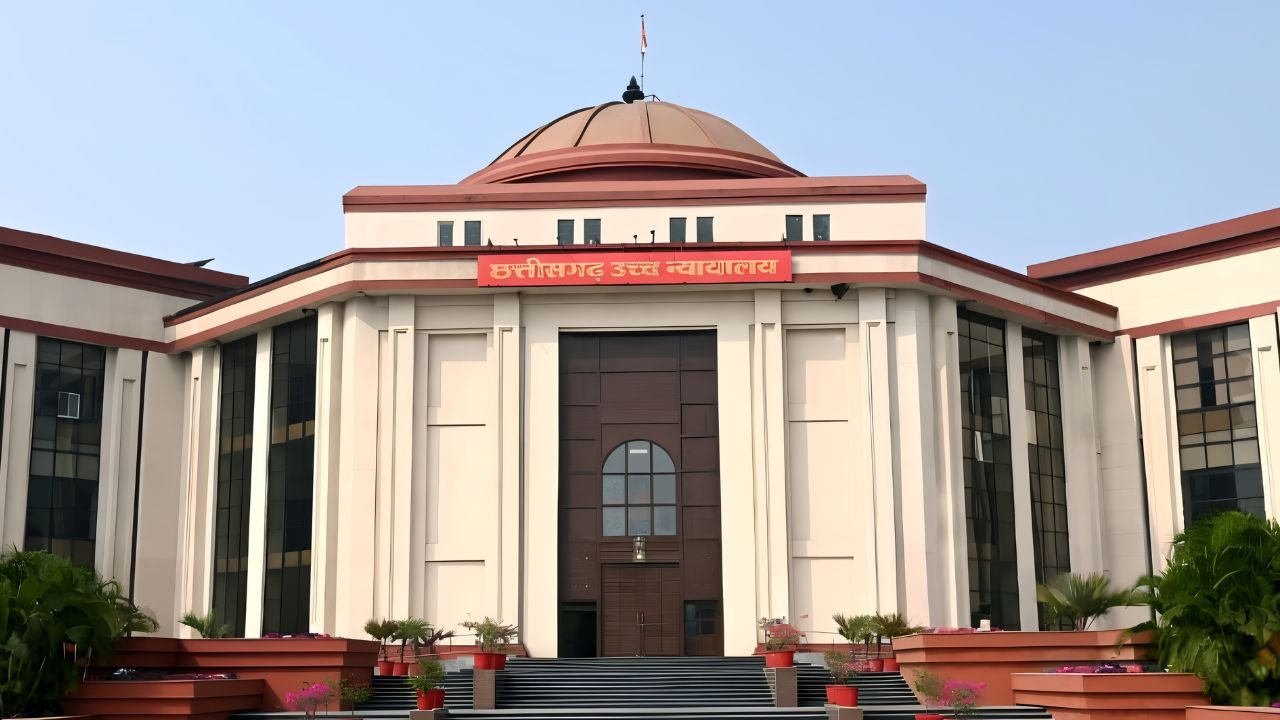

Bilaspur: The Chhattisgarh High Court has granted bail to accused Anil Singh in a significant case involving fraudulent Input Tax Credit (ITC) claims under GST. The court ruled in his favor noting that the investigation is almost complete and there is no necessity for further custodial interrogation.
The case pertains to the alleged wrongful availment of ITC through fake billing practices, where tax credit was claimed without any actual supply of goods, resulting in loss to government revenue. Anil Singh had been in judicial custody since January 16, 2026, and had filed an application seeking regular bail.
FCRF Launches Premier CISO Certification Amid Rising Demand for Cybersecurity Leadership
During the investigation, authorities found that a firm named Ramdoot Enterprises was linked to two other entities—Sonam Sale and Yuvraj Trading—where Anil Singh was a director. These firms were allegedly involved in creating a network of bogus billing to facilitate fraudulent ITC claims without genuine business transactions.
According to sources, Singh allegedly availed ITC using fake invoices that were received through digital platforms such as WhatsApp. Investigators found that these transactions lacked supporting documents like e-way bills, transport receipts, or any evidence of physical movement of goods, strengthening the suspicion of fraud.
The department argued before the court that Singh played a crucial role in the scam and caused substantial loss to the exchequer. It also expressed concern that granting bail could lead to tampering of evidence or influencing of witnesses.
On the other hand, the defense denied all allegations, stating that Singh had been falsely implicated and that no direct evidence or fake invoices were recovered from him. His counsel argued that the investigation was nearly complete and no further custodial interrogation was required. Singh also assured the court that he would comply with all bail conditions.
After hearing both sides, the High Court observed that the investigating agencies had already collected the necessary evidence. It noted that Singh’s statement had been recorded and searches had been conducted, making further detention unnecessary.
Based on these observations, the court granted bail to the accused. However, the relief comes with conditions. Singh has been directed to furnish a personal bond of ₹1,00,000 along with a surety. He has also been instructed to cooperate with the investigation and adhere to all court directives.
The case once again highlights the seriousness of fraudulent ITC claims within the GST framework. Experts note that such scams often involve shell companies and fake billing mechanisms to exploit loopholes in the tax system, leading to significant revenue losses.
Renowned cyber crime expert and former IPS officer Prof. Triveni Singh said, “With the increasing use of digital platforms, financial crimes are evolving rapidly. Fake invoices and virtual transactions are being used to exploit systemic gaps, making investigations more complex.”
The matter will continue to be heard in court, and the final outcome will depend on the evidence presented during trial. Authorities are expected to further examine the financial trail and uncover the full extent of the network, including the possible involvement of other individuals.
As the probe progresses, the case may provide deeper insights into organized GST fraud operations and the methods used to manipulate the system for illegal tax benefits.
