



CES 2026 delivered its usual overload of screens, specs, and spectacle. But amid the noise, a smaller group of products stood out—not because they were ready for mass adoption, but because they felt unusually clear about what they were trying to prove. From brain-sensing headphones to autonomous solar robots, these were the technologies that best captured the spirit of this year’s show. Here are the Best Tech Displayed at The CES 2026:
1. Neurable’s Brain-Sensing Headphones
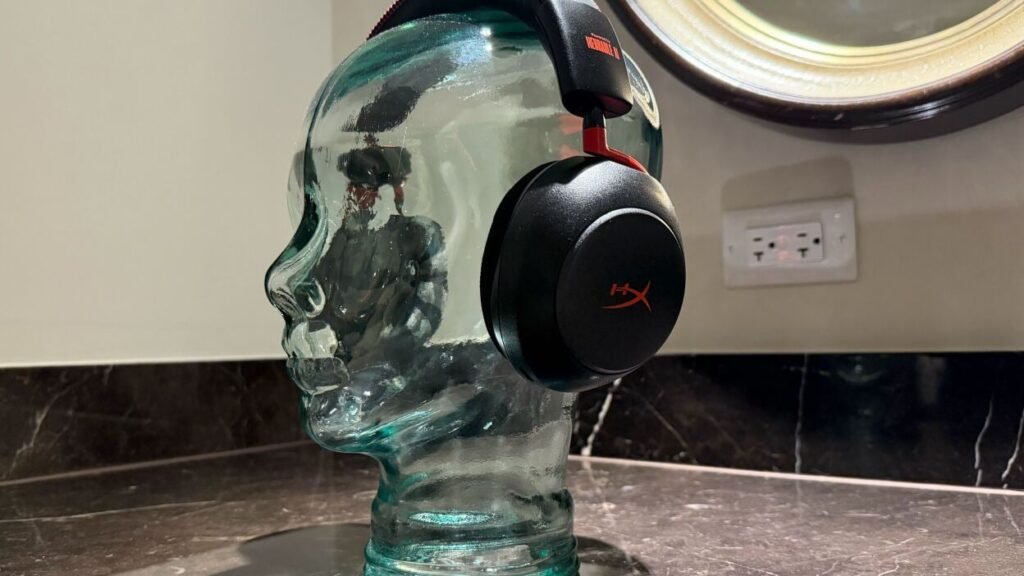
Among the few demos that felt measurably effective rather than aspirational, Neurable’s EEG-powered headphones stood apart. Using live brain data, the system visualizes focus and cognitive load in real time and guides users through short training sessions. In hands-on testing, reaction times noticeably improved—even under imperfect demo conditions. In a show crowded with promises, Neurable delivered something tangible.
Certified Cyber Crime Investigator Course Launched by Centre for Police Technology
2. Lenovo’s Rollable and Extendable Laptops
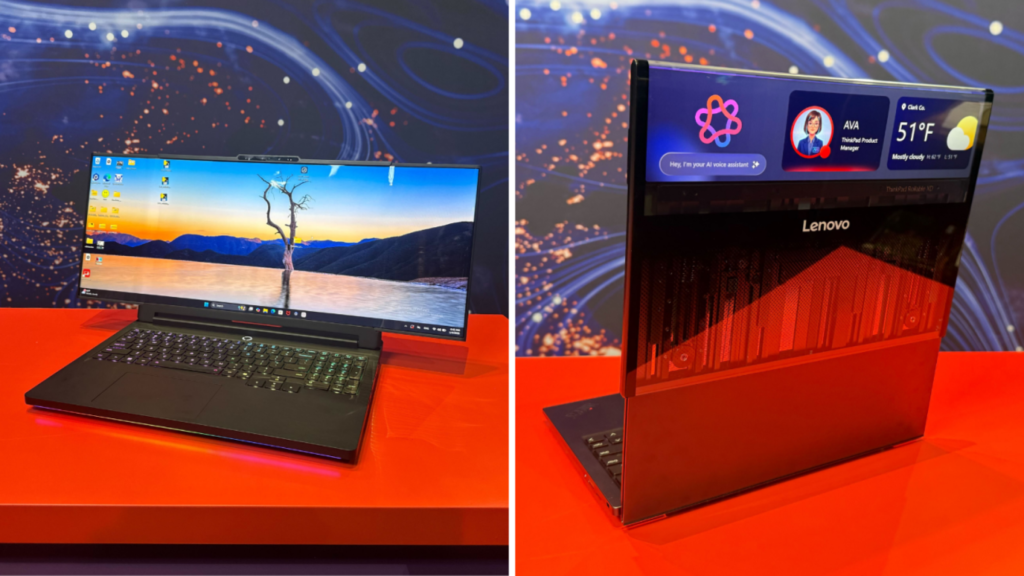
Lenovo returned to CES with polished concepts that rethink what a laptop screen can be. At the push of a button, displays physically extend upward or outward, transforming a standard laptop into something closer to a desktop monitor. The company framed them as explorations of “adaptive screen real estate,” but the smooth mechanics and refinement suggested these ideas are closer to reality than the word “concept” implies.
3. Samsung Galaxy Z TriFold
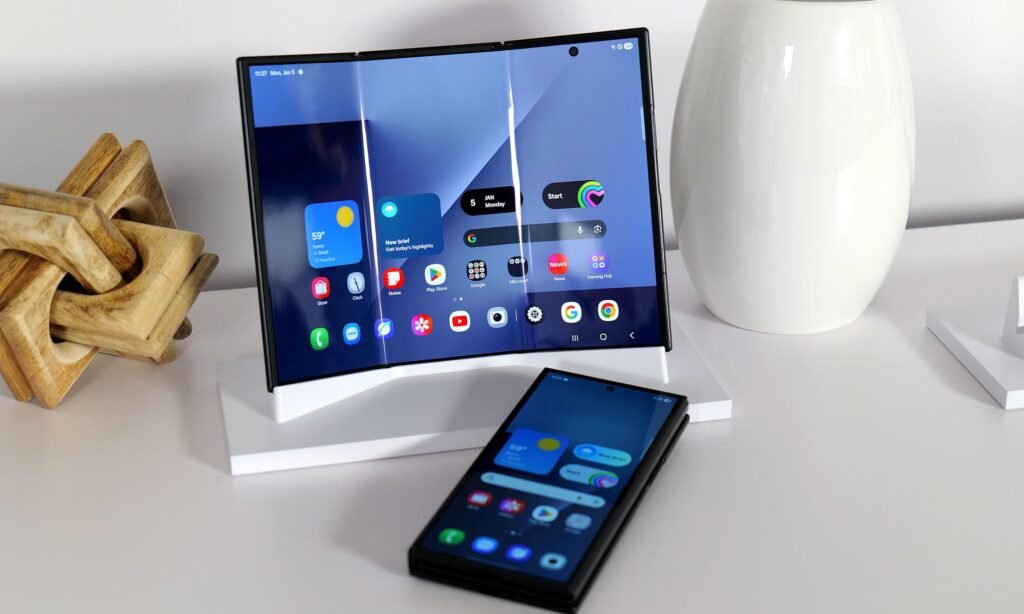
Samsung’s TriFold was not the most practical device on the floor, nor was it meant to be. Unfolding into a tablet-sized display while collapsing into something pocketable, it was described as the closest thing yet to science-fiction foldables. With a rumored $2,500 price, Samsung positioned it as a deliberate flex—a glimpse of what its engineering teams can do, rather than a mass-market product.
4. ROG Xreal R1 AR Gaming Glasses
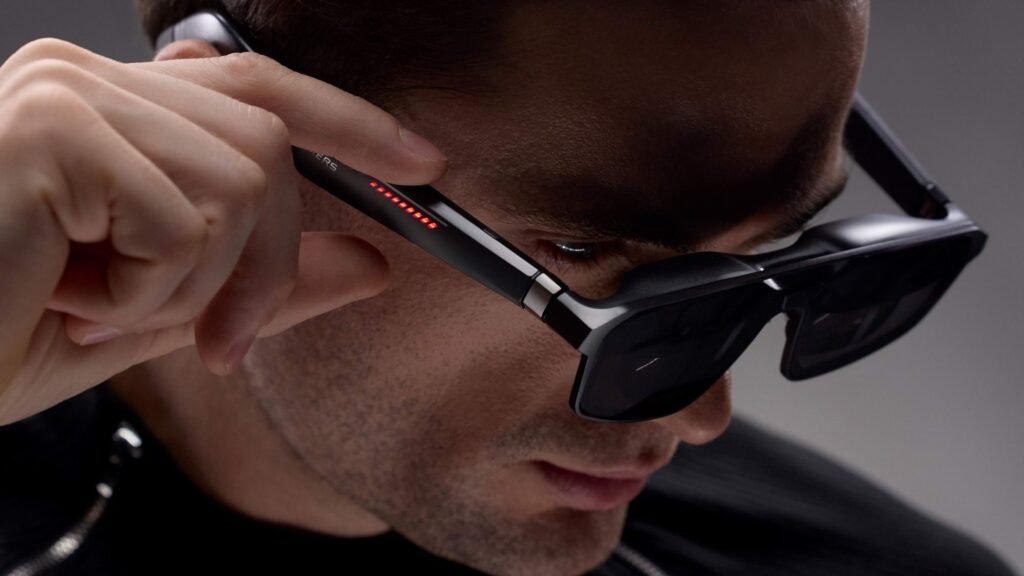
The unreleased ROG Xreal R1 gaming glasses landed in a rare CES sweet spot: niche, but nearly normal. Featuring the world’s first 240Hz display in AR glasses, the device felt lighter, sharper, and less gimmicky than earlier wearable displays. In demos, the reduced latency and improved comfort suggested AR gaming hardware may finally be moving past novelty and toward sustained use.
5. TDM Neo Headphones
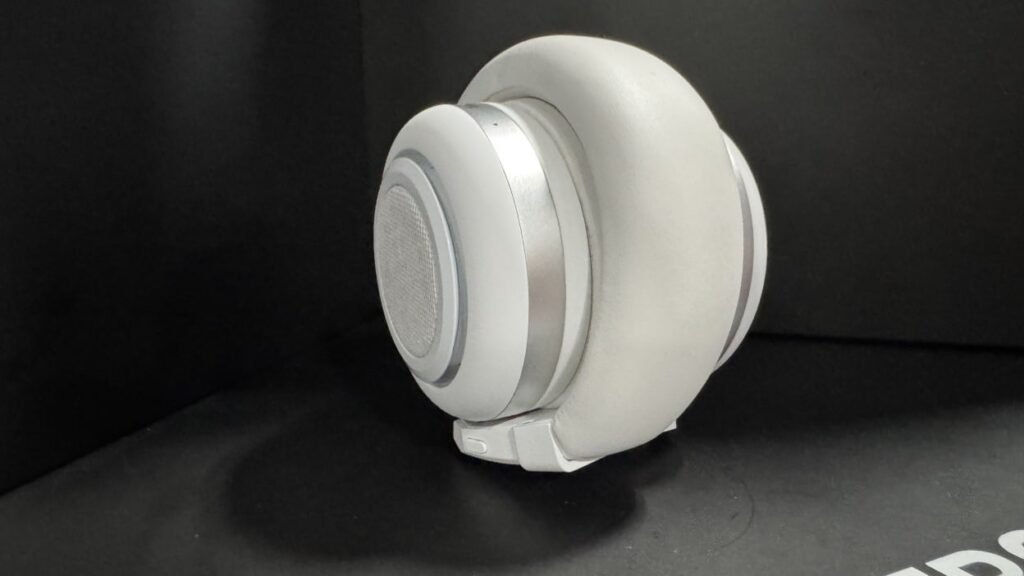
TDM’s Neo headphones embodied classic CES energy: impractical, delightful, and oddly compelling. With rotating earcups that flip outward to transform the headset into portable speakers, the design exists largely because someone decided it should. Yet the sound quality surprised, especially given the accessible price, making the headphones feel less like a joke and more like a playful rethink of form.
6. Lego Smart Brick (Smart Play System)
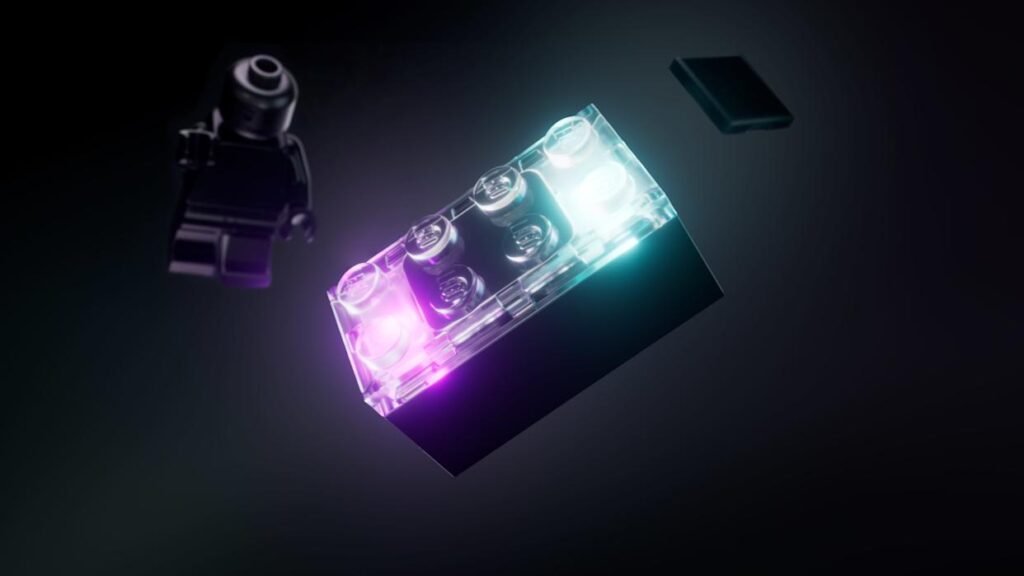
Lego’s appearance at CES with something genuinely new was unexpected. Its Smart Play system embeds sensors, lights, and sound into normal-looking bricks, allowing builds to react instantly to movement, color, and placement. Cars rev when pushed, ducks quack when flipped, and trophies know who won a race—all without screens. Watching children interact with it made Lego’s claim of a major evolution feel credible.
7. Lollipop Star
CES would not be CES without at least one product that makes people stop mid-walk. Lollipop Star is a literal lollipop that plays music through bone conduction while you suck on it, with electronics hidden in the stick. At $8.99, it is not meant to replace headphones, but each flavor comes with its own song from pop artists—a commitment to the bit that made it impossible to ignore.

8. Lepro’s AI Soulmate Ami
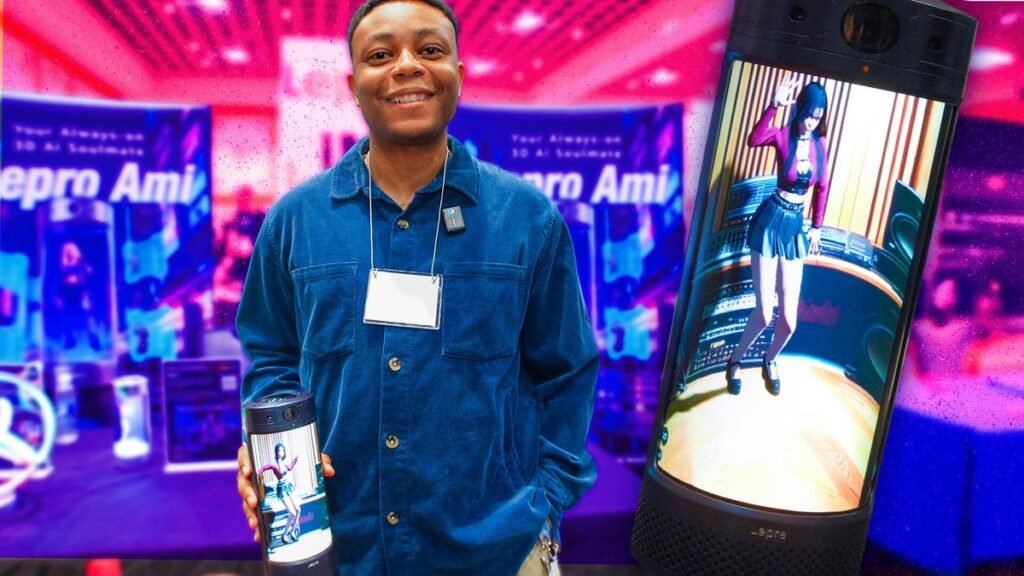
AI companions are not new, but Lepro’s Ami stood out by being unapologetically physical. Marketed as an “AI soulmate” for lonely remote workers, Ami is a curved OLED cylinder with eye-tracking and depth cameras designed to make its avatar feel “in the room.” Unlike app-based chatbots, Ami demands desk space and attention, making the concept of AI companionship feel more direct—and more unsettling.
9. Jackery Solar Mars Bot
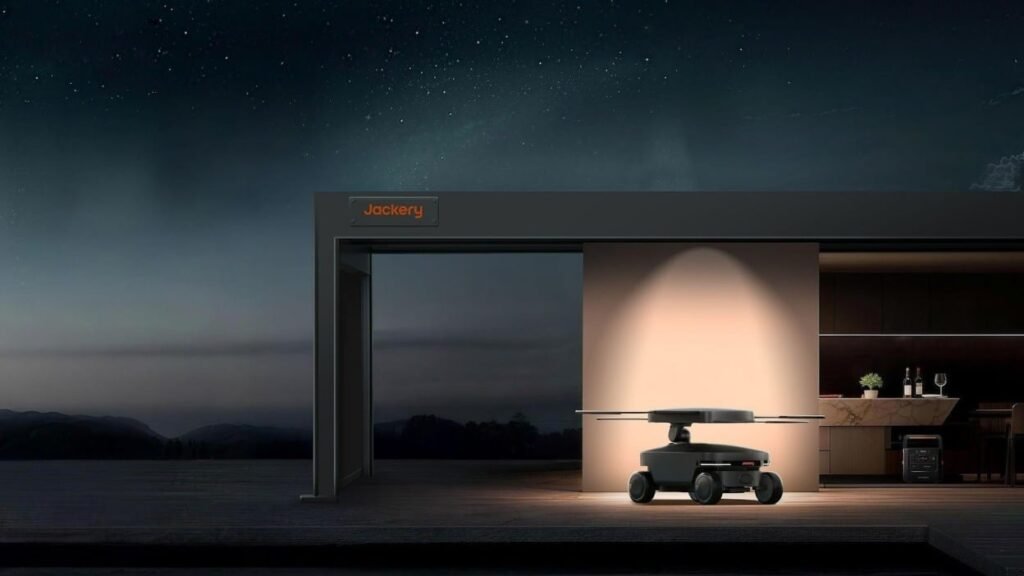
Celebrating its 10th anniversary, Jackery introduced the Solar Mars Bot: an autonomous, roaming power station that seeks out sunlight and recharges itself using retractable solar panels. On the show floor, the robot followed staff through crowds, repositioning itself as lighting conditions changed. It was less a consumer-ready product than a clear signal of how mobile, self-directed power systems might evolve.
A Show Defined by Experiments
CES 2026 did not offer a single, unified vision of the future. Instead, it showcased experiments—some serious, some playful, some deliberately strange—that tested new relationships between people and technology. The best products were not necessarily the most practical, but the ones that felt honest about what they were trying to explore: attention, embodiment, adaptability, and autonomy.
