


The Union government is planning to introduce a collateral-free microcredit scheme offering loans of up to ₹10,000 a year to gig workers, domestic helpers and other vulnerable groups, in a move aimed at widening access to formal finance. The proposed programme, being developed by the Ministry of Housing and Urban Affairs, is expected to be launched in April 2026, according to officials cited by The Economic Times.
The initiative reflects a growing policy focus on the informal and platform-based workforce, which has expanded rapidly in recent years but continues to face structural barriers to credit. Many gig workers—delivery riders, drivers, domestic helpers and others—lack stable incomes, collateral or credit histories, making them largely invisible to traditional banking systems.
Certified Cyber Crime Investigator Course Launched by Centre for Police Technology
Officials involved in designing the scheme say the goal is not large-scale lending but timely, small amounts of working capital that can support basic entrepreneurship or asset purchases, such as two-wheelers or tools needed for work.
Modelled on PM-SVANidhi’s Experience
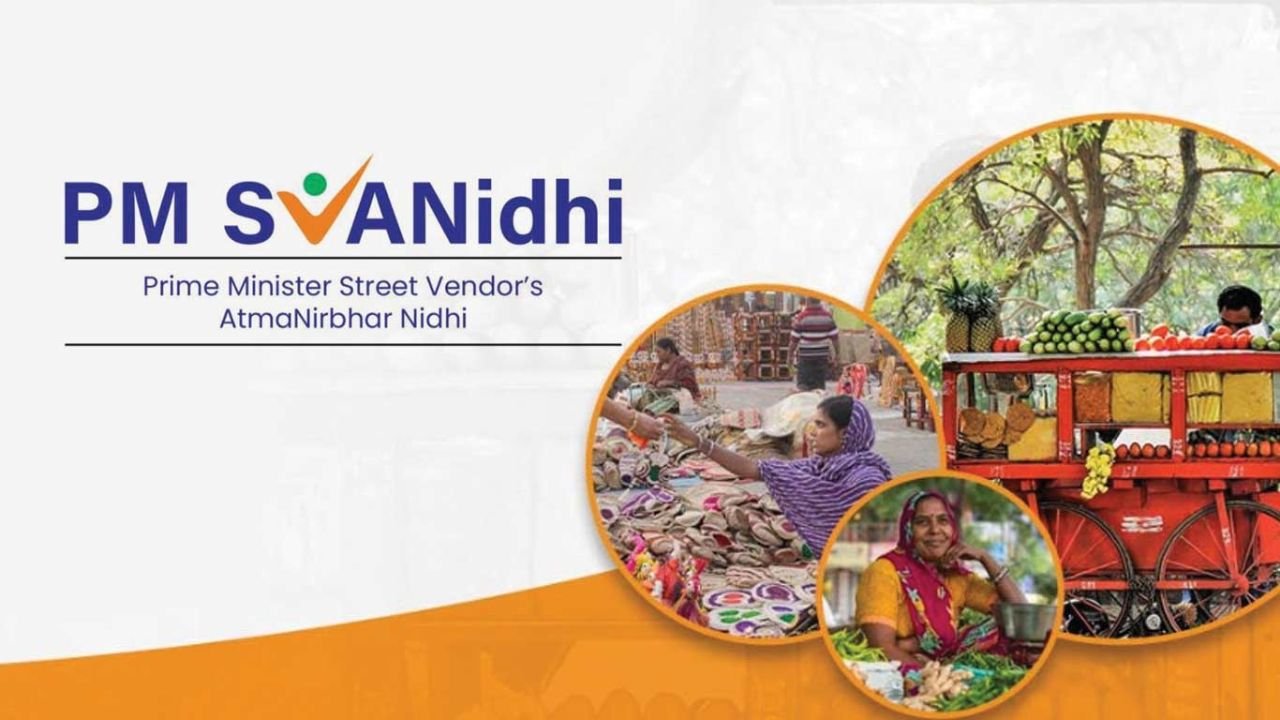
The new programme is being modelled on the PM Street Vendors Atma Nirbhar Nidhi (PM-SVANidhi), a flagship microcredit initiative launched during the pandemic to support street vendors. Under PM-SVANidhi, vendors receive an initial collateral-free loan of ₹10,000, with eligibility for higher tranches of ₹20,000 and ₹50,000 upon timely repayment.
The scheme also offers a 7 per cent interest subsidy and incentives for adopting digital payment methods. According to senior government officials, PM-SVANidhi has recorded relatively low default rates, reinforcing confidence that similar credit models can work among informal workers when lending is small, structured and closely monitored.
With the gig economy growing across urban India, policymakers argue that extending a proven framework to new categories of workers is a logical next step, particularly as platform-based labour becomes more integral to city services and consumption.
Who Will Be Eligible
Unlike street vendors, whose eligibility under PM-SVANidhi depends on municipal surveys and licences, the proposed microloan scheme is expected to rely on the e-Shram portal as its primary database. Gig and domestic workers registered on the portal who possess government-issued identity cards and a Universal Account Number—are likely to form the initial beneficiary pool.
As of November 2025, more than 313.8 million unorganised workers and over 509,000 gig and platform workers were registered on e-Shram, according to official data. These verified records are seen as critical for reducing fraud, improving targeting and enabling lenders to assess borrowers who otherwise operate outside formal employment structures.
Officials say further details on eligibility, repayment terms and institutional partners—such as banks or microfinance institutions—will be finalised closer to the launch.
Credit, Precarity and Policy Trade-offs
The planned scheme highlights a broader tension in India’s labour market: while digital platforms have expanded income opportunities, they have also shifted risk onto workers who lack job security, social protection and access to credit. Small loans may help individuals smooth income shocks or invest in productivity, but they also raise questions about indebtedness among already vulnerable groups.
Economists note that the success of such programmes depends less on loan size and more on implementation—particularly repayment incentives, borrower awareness and integration with social security systems. The government’s reliance on existing registries and a tested credit model suggests an attempt to balance inclusion with caution.
As India experiments with new ways to support its informal workforce, the proposed microloan scheme signals a recognition that access to even modest amounts of capital can shape livelihoods—especially for workers navigating the uncertainties of the gig economy.
About the author — Suvedita Nath is a science student with a growing interest in cybercrime and digital safety. She writes on online activity, cyber threats, and technology-driven risks. Her work focuses on clarity, accuracy, and public awareness.
