

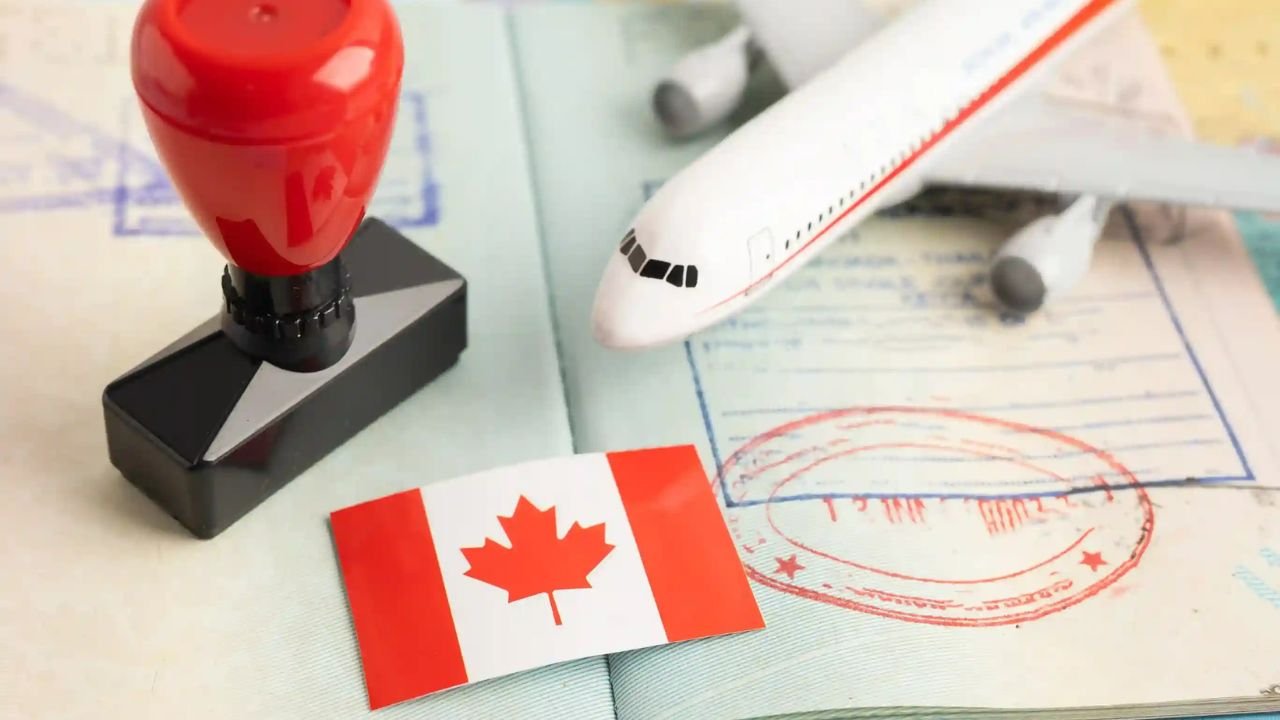

Toronto: Cracking down on rising visa fraud, Immigration, Refugees and Citizenship Canada (IRCC) has issued a strong warning that individuals submitting fake documents or misleading information in visa applications will face a minimum five-year ban from entering Canada. The move targets not only applicants but also fraudulent agents who lure people with false promises.
In recent days, the department has intensified its outreach through social media and official advisories, cautioning applicants against scams. Authorities have flagged that several unauthorized agents claim they can fast-track visa approvals or “manage” issues in applications—claims that IRCC has categorically termed illegal and misleading.
FCRF Launches Premier CISO Certification Amid Rising Demand for Cybersecurity Leadership
According to the department, applicants will be held directly accountable if any forged documents or false information are detected, even if the application was filed through an agent. In such cases, not only will the application be rejected, but the individual will also be barred from entering or staying in Canada for five years.
The crackdown comes at a time when Canada has witnessed a surge in international student applications, work permits, and other immigration categories. Alongside this growth, cases of document fraud and misrepresentation have also increased. In response, authorities have tightened scrutiny across major visa streams, including study permits, work permits, and asylum applications.
A recent audit report tabled in Parliament highlighted the scale of the issue. It revealed that between 2023 and 2024, over 153,000 international students were flagged for potential non-compliance with visa conditions. However, due to limited resources, only around 2,000 cases could be thoroughly investigated each year.
The report further disclosed that nearly 800 study permits issued between 2018 and 2023 involved applicants who allegedly used fraudulent documents or misrepresented information. Many of these individuals later applied for additional immigration benefits after arriving in Canada, exposing systemic gaps.
In another startling finding, around 710 applicants submitted credentials from institutions that either did not exist or were primarily operating to sell fake degrees for immigration purposes. Despite these red flags, no immediate enforcement action was taken in several cases, and about 110 individuals later filed asylum claims.
The Auditor General has recommended that the immigration department conduct thorough follow-ups on all applications flagged for potential fraud. Strengthening verification systems and improving enforcement mechanisms have also been emphasized to prevent future misuse.
Accepting these recommendations, IRCC stated that it will annually share data with the Canada Border Services Agency (CBSA) regarding individuals whose visas have expired and who have failed to regularize their immigration status. This step is expected to enhance tracking and enforcement against illegal stay.
Experts believe the move will significantly improve transparency and integrity within Canada’s immigration system. However, they also stress that applicants must remain vigilant and avoid falling prey to fraudulent agents or shortcuts.
The development sends a clear message: attempting to bypass immigration rules through fraudulent means can have long-term consequences. Even a single act of misrepresentation can not only lead to visa rejection but also severely impact future opportunities to travel, study, or work in Canada.
