

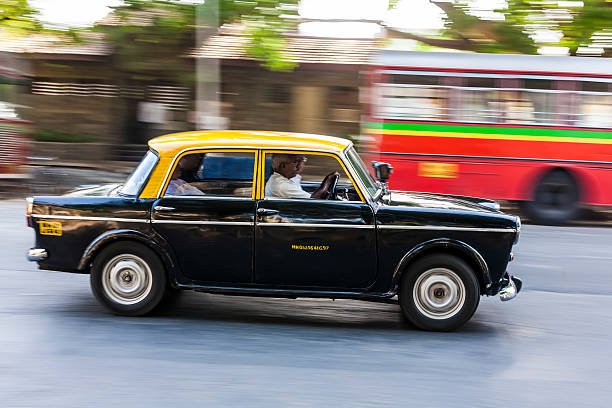
App-based taxi and autorickshaw drivers across the country observed a one-day nationwide strike on Saturday, disrupting urban transport in several cities and reigniting tensions over bike taxi operations, fare policies and regulatory compliance costs. The protest was called by multiple driver unions, pressing for action against what they describe as “illegal” bike taxi services, greater transparency in aggregator pricing models and resolution of grievances linked to the mandatory installation of panic buttons in vehicles.
Union representatives claimed that a large number of taxi and auto drivers stayed off the roads through the day. However, ride-hailing platforms continued to show limited availability of cabs and autorickshaws in several pockets from early morning, indicating that the impact of the strike varied widely across cities and time zones.
Certified Cyber Crime Investigator Course Launched by Centre for Police Technology
Anger over bike taxi operations
Driver bodies argue that bike taxi services operating without uniform state-level guidelines are steadily eroding the livelihoods of licensed taxi and autorickshaw drivers. According to unions, the rapid expansion of two-wheeler taxi platforms has intensified fare competition and diverted a growing share of short-distance commuters away from regulated services.
Unions have also raised concerns over passenger safety and accountability, alleging that accident victims involving bike taxis are often denied insurance coverage due to regulatory ambiguities. They insist that until clear rules are framed and enforced by states, bike taxi operations should not be permitted to function alongside licensed public transport services.
Panic button mandate adds to financial strain
A key trigger for the protest was the compulsory installation of panic buttons in taxis and autorickshaws. Driver organisations allege that despite the Centre approving a large number of panic button device vendors, several states have subsequently declared a significant proportion of these providers unauthorised.
As a result, drivers claim they are being forced to remove previously installed devices and replace them with newly approved systems, incurring fresh expenses. According to unions, installing a new panic button setup costs close to ₹12,000 per vehicle, an amount they say is unsustainable for drivers already coping with falling incomes, rising fuel prices and higher maintenance costs.
Unions have demanded that either existing approved devices be recognised or that governments provide a reasonable transition period before enforcing new technical standards, warning that sudden compliance deadlines are pushing drivers deeper into debt.
Fare policy and open permit concerns
Drivers also accused app-based aggregators of following “arbitrary” fare policies. They alleged that frequent changes in incentive structures and surge pricing mechanisms have made earnings unpredictable, particularly during peak hours when commissions and dynamic pricing fluctuate sharply.
Additionally, unions flagged the impact of open permit policies, which have increased the number of autorickshaws in several cities. According to drivers, the rising vehicle count has intensified competition on already crowded routes, reducing average daily earnings for existing operators.
Mixed impact on commuters
The strike led to inconvenience for commuters in some urban centres, especially during morning and evening rush hours, with reports of longer waiting times and higher fares in certain areas. In other locations, services continued to operate partially, as not all drivers joined the protest.
Public transport alternatives such as buses and metro systems saw marginally higher footfall in cities where cab and auto availability was constrained.
What lies ahead
Driver unions have warned that the agitation could be escalated if their demands are not addressed. They are seeking a clear and uniform policy framework from both the Centre and states, stricter enforcement against unauthorised transport services and regulatory clarity to protect both passenger safety and the livelihoods of licensed drivers.
So far, no formal announcement has been made by authorities on a resolution timeline. The coming days are expected to see consultations between governments, aggregators and driver representatives, with the outcome likely to determine whether the transport unrest subsides or intensifies further.
About the author – Ayesha Aayat is a law student and contributor covering cybercrime, online frauds, and digital safety concerns. Her writing aims to raise awareness about evolving cyber threats and legal responses.
