
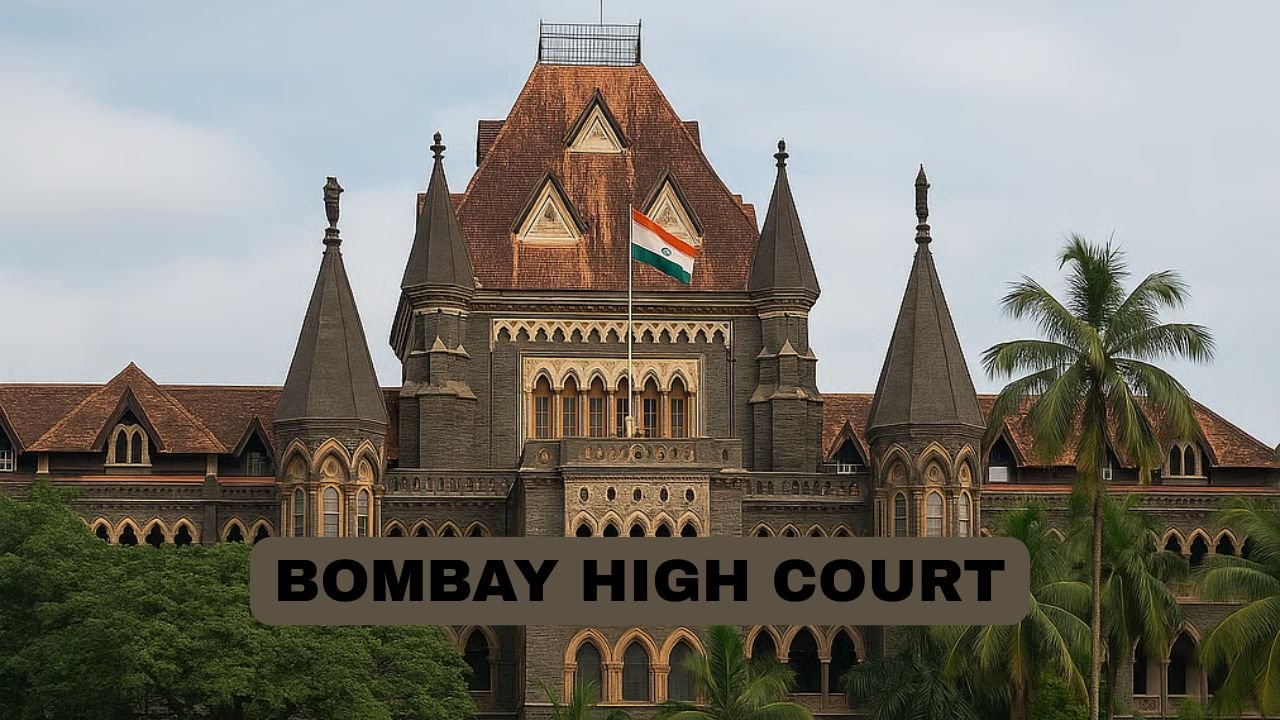

Mumbai: The Bombay High Court on Friday dismissed a petition filed by activist Jitendra Maru, which sought a CBI investigation into allegations that Reliance Industries Limited (RIL) had unlawfully extracted natural gas from the Oil and Natural Gas Corporation’s (ONGC) Krishna–Godavari Basin fields.
The Division Bench, comprising Chief Justice Shree Chandrashekhar and Justice Suman Shyam, passed the order. The detailed judgment is still awaited.
The petition alleged that RIL conducted deep-sea drilling between 2004 and 2013–14, enabling gas from adjoining ONGC blocks to migrate into RIL’s KG-D6 block. Maru described this process as a “massive organized fraud.”
FCRF Launches Premier CISO Certification Amid Rising Demand for Cybersecurity Leadership
He sought FIR registration, seizure of drilling data, contracts, and government reports, along with investigation into alleged offences of theft, dishonest misappropriation, and criminal breach of trust.
Earlier, the High Court had sought responses from the CBI and the Union government regarding Maru’s plea. The petition cited the DeGolyer & MacNaughton (D&M) report and a committee headed by former Justice A.P. Shah, both of which concluded that RIL had tapped into ONGC’s reserves, valued at over $1.55 billion (₹14,696 crore).
The dispute originates from a Production-Sharing Contract (PSC) signed in April 2000 between the Union government and RIL (with its consortium partners) for gas extraction in the KG Basin. In 2013, ONGC claimed that RIL’s block and its reservoirs had lateral continuity.
An international arbitration tribunal initially ruled in favor of RIL in July 2018, but this award was later set aside by the Delhi High Court in February 2025, which held the award to be against India’s public policy.
Maru’s petition argued that this development indicated the matter extended beyond civil or arbitral territory and could potentially involve criminal liability. However, the High Court today dismissed this demand.
Advocate Akshay Pawar appeared for Maru, while Advocate Kuldeep Patil represented the CBI.
Experts suggest the decision indicates the judiciary’s intent to ensure that economic and corporate disputes are resolved primarily through civil and arbitration mechanisms, reserving criminal investigations for only serious and clearly defined offences.
The High Court clarified that under both international and domestic law, criminal investigation by the CBI in disputes arising from production-sharing agreements is justified only when there is solid evidence and a clear breach of contract terms.
