
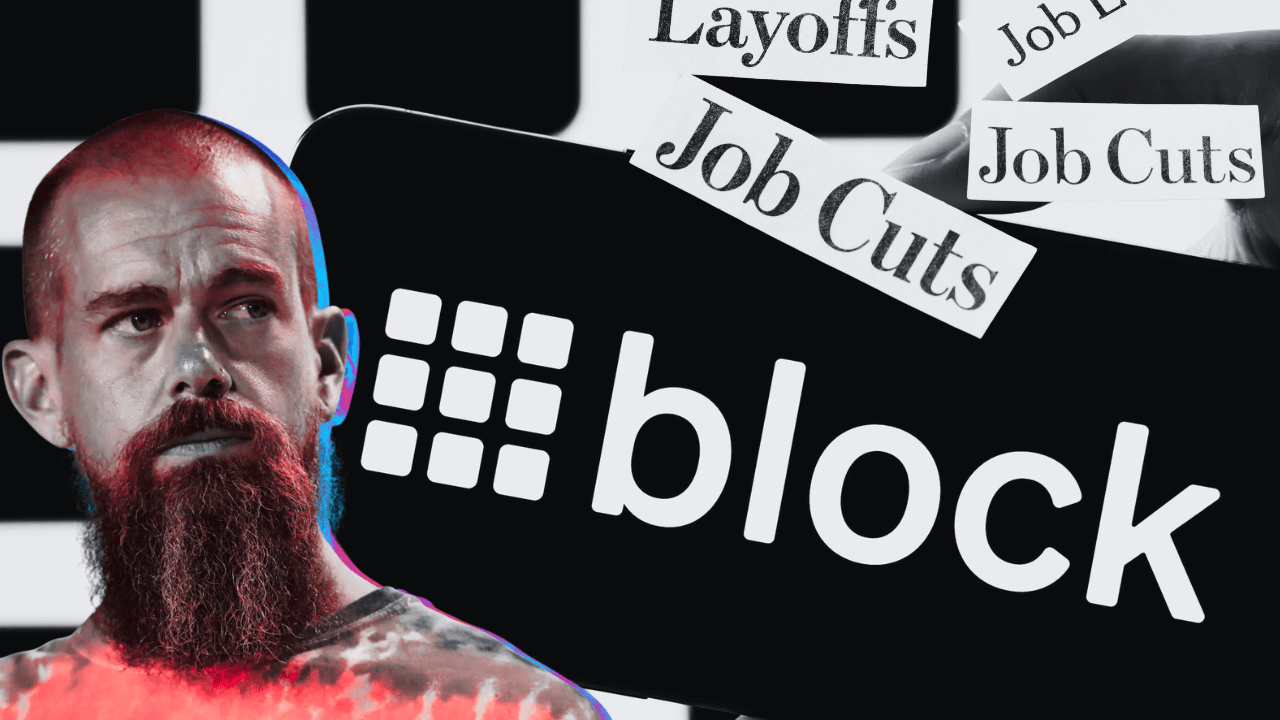
In a significant shift reflecting the growing influence of artificial intelligence in corporate operations, Block Inc. has laid off approximately 4,000 employees, with CEO Jack Dorsey emphasizing a strategic pivot toward AI-led efficiency and restructuring.
Workforce Reduction and Strategic Shift
The company recently executed large-scale layoffs affecting around 4,000 employees across various roles. The move is part of a broader effort to streamline operations and align resources with emerging technological priorities. The restructuring reflects a deliberate transition toward automation and AI integration within core business functions.
Dorsey has framed the decision as necessary for maintaining competitiveness in an evolving digital economy, where companies are increasingly leveraging artificial intelligence to optimize productivity and reduce operational redundancies.
FCRF Launches Premier CISO Certification Amid Rising Demand for Cybersecurity Leadership
AI to Replace Traditional Management Roles
A key aspect of Dorsey’s vision involves reducing reliance on traditional middle management structures. He has indicated that AI systems can increasingly perform coordination, reporting, and decision-support tasks that were historically handled by mid-level managers.
In his communication, Dorsey suggested that companies should reconsider the role of middle managers, stating that AI tools can enhance efficiency and reduce layers of oversight. This reflects a broader industry trend where automation is being deployed not only in technical roles but also in administrative and managerial functions.
Internal Communication and Long-Term Vision
Dorsey reportedly addressed employees directly, outlining the company’s future direction centered on AI adoption. He emphasized that the goal is to build a leaner, more agile organization capable of rapid innovation.
The internal messaging highlighted a long-term vision where artificial intelligence becomes deeply embedded in workflows, enabling faster decision-making and improved scalability. Employees were encouraged to adapt to this transformation by developing skills aligned with AI-driven systems.
Industry Implications and Workforce Concerns
The development has sparked wider debate about the implications of AI on employment, particularly in white-collar and managerial roles. While automation has historically impacted manual and repetitive jobs, the current trend indicates a shift toward replacing cognitive and supervisory functions as well.
Experts note that such transitions may lead to significant workforce displacement if reskilling efforts do not keep pace. At the same time, companies adopting AI-driven models argue that these changes are essential for sustaining growth and innovation in a competitive global market.
About the author – Ayesha Aayat is a law student and contributor covering cybercrime, online frauds, and digital safety concerns. Her writing aims to raise awareness about evolving cyber threats and legal responses.
