

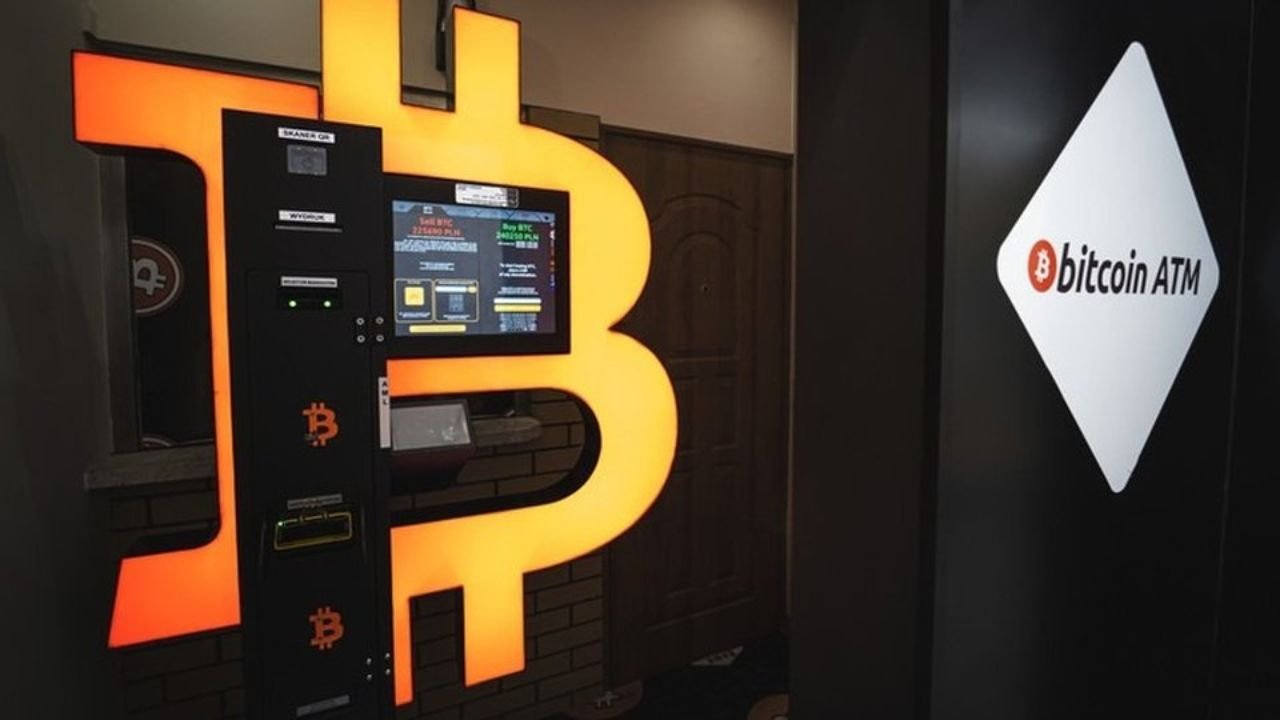

For years, Bitcoin ATMs occupied a curious place in the financial system: part convenience machine, part gateway into the volatile and lightly understood world of digital assets. They promised instant access to cryptocurrency with the familiarity of cash-based retail. But as regulators have begun to look more closely at the fees, fraud controls and compliance practices surrounding those kiosks, the business model that helped define the sector has started to come under strain.
That strain is now reshaping leadership at Bitcoin Depot. In a recent SEC filing, the company disclosed that Scott Buchanan had resigned as chief executive and as a director, and that the resignation was not the result of any disagreement with the company over operations, policies or practices. Brandon Mintz, the founder who had recently shifted into an executive-chairman role, also stepped down from that position, though he remains on the board and is expected to continue advising the company.
FCRF Launches Premier CISO Certification Amid Rising Demand for Cybersecurity Leadership
Into the role steps Alex Holmes, a former chief executive of MoneyGram and a Bitcoin Depot director since August 2025. In public remarks accompanying the transition, Holmes said his focus would be on “operational stability,” “regulatory progress,” and steering the company toward a more diversified fintech model. The language was notable not only for what it promised, but for what it implied: that the company’s future may no longer rest as heavily on the stand-alone crypto kiosk business that made it prominent.
A Succession Plan That Barely Lasted
The speed of the reversal has drawn attention. In a proxy filing late last year, Bitcoin Depot had laid out a structured transition under which Mintz would move from chief executive to executive chairman on January 1, 2026, while Buchanan, then president and chief operating officer, would become chief executive and remain on the board. That succession plan appeared designed to preserve continuity while giving the founder more room to focus on strategy and growth.
Instead, the arrangement lasted less than a full quarter. The abrupt change suggests that the pressures facing the company are no longer theoretical or distant. Leadership reshuffles often arrive in public companies with carefully neutral language, but when they occur so soon after a formal handoff, they tend to reflect a board’s view that the surrounding environment has changed faster than management plans anticipated.
Holmes’s résumé helps explain why the board may have turned to him now. At MoneyGram, where he served as chief executive from 2016 to 2024 after earlier roles including chief financial officer and chief operating officer, he developed a reputation in cross-border payments and regulatory navigation — experience that becomes especially valuable when a financial-services business finds itself under heightened scrutiny. Bitcoin Depot has also brought in other executives with compliance and legal backgrounds in recent months, underscoring how central regulation has become to the company’s operating strategy.
The Kiosk Business Meets a Harder Regulatory Reality
The backdrop to the leadership change is a harsher regulatory climate for crypto ATM operators. Last week, Connecticut suspended Bitcoin Depot’s ability to operate in the state, accusing the company of overcharging customers and failing to provide required refunds to some fraud victims. The action forced the company to halt its ATM operations there and reflected a broader shift in how states are treating the sector: less as an emerging convenience product, and more as a money-services business with consumer-protection obligations that must be actively enforced.
Bitcoin Depot is hardly alone in facing that scrutiny. California recently fined rival operator Coinhub $675,000 over similar allegations of overcharging customers, while other operators have also come under pressure as states and prosecutors take a more aggressive view of the risks surrounding kiosk-based crypto transactions. In one notable example, Chicago-based Crypto Dispensers has weighed strategic alternatives, including a reported sale, after legal action against its founder. Taken together, those cases point to an industry moving from a permissive growth phase into a compliance-heavy era.
That shift is particularly consequential for Bitcoin Depot because the kiosk business remains its commercial center of gravity. The company said in its latest financial disclosures that revenue tied to its core business could decline by 30 percent to 40 percent this year, citing a “dynamic regulatory environment” and tougher compliance standards. For a company that built its identity on physical access points for crypto transactions, that is not just a cyclical warning. It is a signal that the economics of the business may be changing in ways that cannot be offset simply by opening more machines.
A Market Leader Confronts the Limits of Scale
Bitcoin Depot still occupies a commanding position in the industry. Ten years after its founding, it remains the largest Bitcoin ATM operator in North America and says it operates more than 9,000 kiosk locations globally. That scale has long been a selling point: a nationwide retail footprint, a recognized consumer-facing brand, and a first-mover advantage in a fragmented market. But scale can amplify vulnerability as much as strength when rules tighten across jurisdictions.
Investors appear to understand that tension. Shares of the company fell more than 14 percent on Tuesday to about $2.80, nearing the lower end of their 52-week range, according to market data cited in recent reports. The decline reflected more than disappointment over an executive shuffle. It suggested concern that the company’s leadership reset may be arriving at a moment when regulators, not growth projections, are beginning to define the limits of the business.
Beyond Crypto ATMs
What emerges from the episode is a portrait of a company in transition — not only in management, but in the kind of financial-services institution it hopes to become. Holmes has framed the task ahead as diversification into a broader fintech platform. That language is familiar in corporate turnarounds: it signals ambition while acknowledging that the legacy business may no longer support the same expectations it once did.
For Bitcoin Depot, the challenge is unusually clear. The company must show that it can survive the regulatory reckoning facing crypto ATMs while convincing investors that it has a credible path beyond them. Whether that means becoming a more conventional compliance-led payments company, a broader cash-to-digital financial network, or something in between is not yet fully visible. What is visible is that the era in which crypto ATM operators could grow largely on convenience and demand now appears to be giving way to one in which consumer protection, fraud response and regulatory trust will determine who lasts.
