
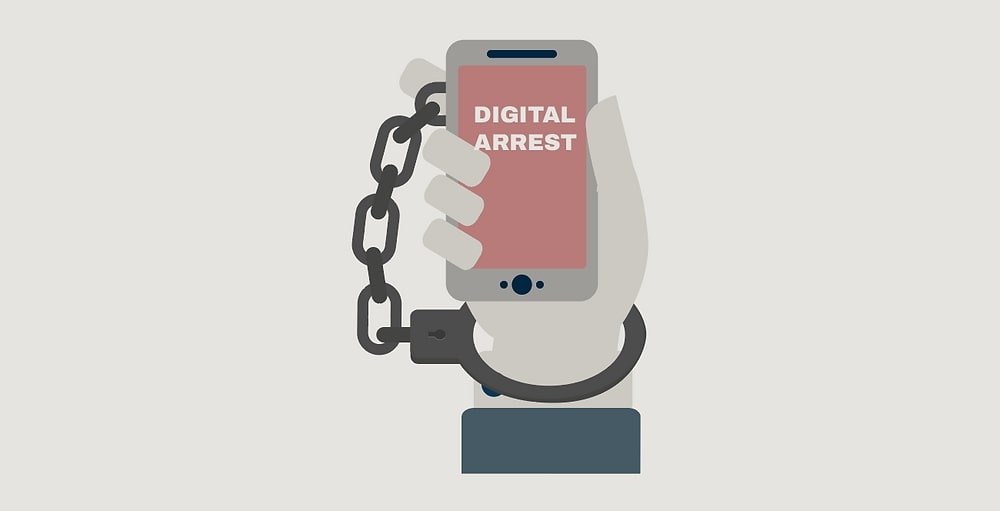
Cyber criminals posing as CBI officials subjected a retired electricity department employee from Bhopal’s Shirpuram, Kolar Road, to a terrifying three-day “digital arrest,” duping him of Rs 3 lakh through relentless phone and video call intimidation. Jagannath Rathore fell victim on January 4, 2026, highlighting the persistent menace of impersonation scams despite ongoing police awareness campaigns.
Final Call: FCRF Opens Last Registration Window for GRC and DPO Certifications
Anatomy of the Chilling Digital Arrest
On January 4, unknown numbers contacted Rathore, claiming his name appeared in a criminal case investigation. Panicked by the CBI label, the retiree stayed silent as scammers rotated identities across multiple mobiles, staging fake video interrogations showing “officers” in uniforms issuing arrest threats unless he “settled” immediately.
For 72 hours, Rathore endured constant surveillance demands—stay visible on video, no external contact—while fraudsters drained Rs 3 lakh to specified accounts as “case clearance fees.” Realizing the scam post-disconnection, he filed at Kolar Police Station; case registered against unknowns, probe traces UPI/bank trails.
Parallel Job Scams Target Jobless Women
Shikha Maya’s Task Fraud (Indrapuri):
27-year-old Shikha, job-hunting post-graduation, joined a Telegram group after online “task completion” offers. Initial small refunds built trust; subsequent demands extracted Rs 2.87 lakh before vanishing. Classic “investment doubling” ploy prevalent in MP cyber crimes.
Prateeka Meena’s Work-from-Home Trap (Bairagarh):
Similar WFH lure netted Rs 2.54 lakh from Prateeka via escalating “platform fees.” Both cases registered; Bhopal Cyber Cell hunts interstate gangs operating fake job portals mimicking legit recruiters.
Bhopal’s Surging Cyber Fraud Crisis
2025 NCRB: MP reports 1.2 lakh cases (Rs 800 crore losses); Bhopal tops state with 25,000 complaints. Digital arrest variants up 400%—CBI/ED fakes dominate 60%. Recent busts exposed Cambodia call centers scripting Hindi dialogues for authenticity.
Police blitz: 50 awareness drives, 1930 helpline blasts reach 5 lakh citizens. Yet senior citizens, jobless youth remain vulnerable; Rs 68 lakh couple scam (Jul-Sep 2025) echoes Rathore’s trauma.
Police Advisory: Essential Precautions
Immediate Don’ts:
- Never engage unknown authority calls demanding money/funds
- Ignore video “arrests”—real agencies don’t operate remotely
- Don’t share OTPs/Aadhaar/bank details under duress
Critical Dos:
- Verify via official websites (cbi.gov.in, not WhatsApp)
- Dial 1930 instantly; forward screenshots to cybercrime.gov.in
- Block numbers; enable UPI transaction limits (Rs 5K/day)
Bhopal DCP commits 24×7 monitoring; FIRs invoke BNS 318(4), IT Act 66D.
Victim Impact and Systemic Fixes
Rathore’s case underscores psychological warfare—fear paralyses reporting. Job scams exploit 18% youth unemployment. MP Police eyes AI voice detection, mandatory KYC-video for accounts >Rs 50K.
Prevention Checklist:
- Virtual cards for online trials
- Family cyber drills
- Report within golden hour (90% recovery)
About the author – Rehan Khan is a law student and legal journalist with a keen interest in cybercrime, digital fraud, and emerging technology laws. He writes on the intersection of law, cybersecurity, and online safety, focusing on developments that impact individuals and institutions in India.
