

Bareilly | A woman from Bareilly’s Bhuta area has fallen victim to a carefully orchestrated cyber fraud after being befriended on Facebook by an unknown individual who promised to donate gold jewellery. Over the course of several days, the fraudster extracted ₹2.62 lakh from her under the pretext of customs clearance, airport charges and commission fees, using digital payment platforms and QR codes.
According to details shared in the complaint, the woman came into contact with the accused on January 7 through Facebook. During initial conversations, the individual presented himself as lonely and emotionally distressed, gradually winning her trust. He claimed he wished to donate his gold jewellery and was searching for a reliable person who could assist with receiving and distributing it.
Certified Cyber Crime Investigator Course Launched by Centre for Police Technology
Frequent chats and phone calls followed, during which the woman was assured that the jewellery would be dispatched to her address. She was told that only routine formalities remained. What began as casual conversation soon turned into a discussion involving money, though the amounts initially mentioned were small enough not to raise suspicion.
The next day, the accused contacted her by phone and claimed the shipment process had begun. Citing identity verification requirements, he asked for her Aadhaar card details and a photograph. Soon after, he demanded money, explaining that it was required to cover airport handling charges, customs duty and commission linked to the jewellery consignment.
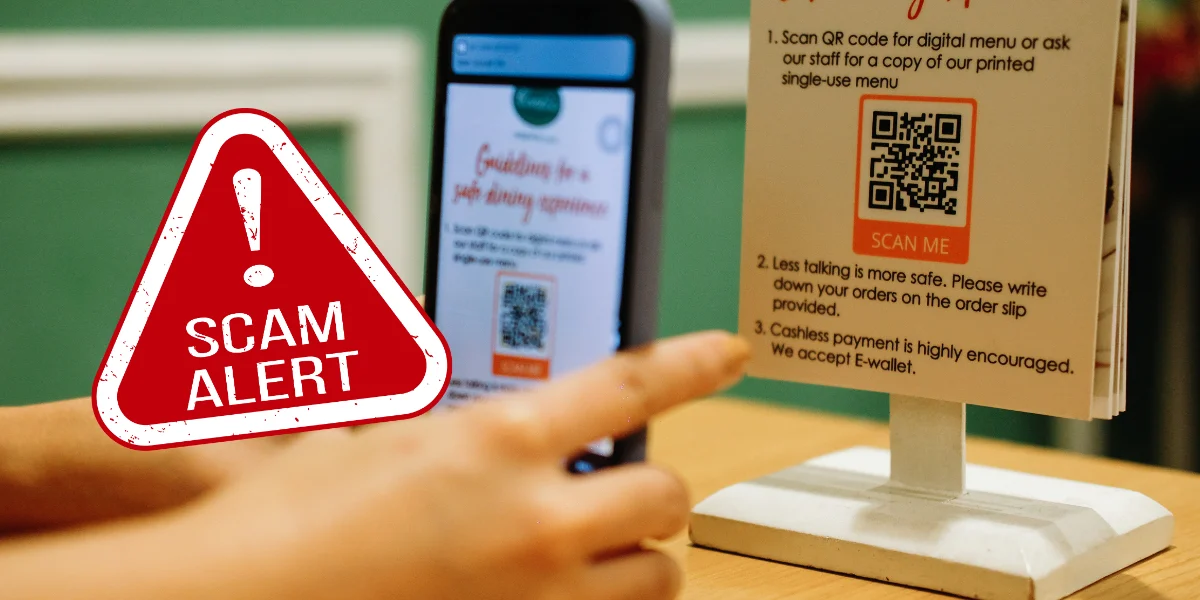
To lend credibility to the transaction, the fraudster sent QR codes and requested payments through digital payment applications. Trusting his assurances, the woman transferred small sums from her rural bank account. With each payment, a new charge was introduced, and the requested amounts steadily increased.
By January 10, the tone of communication changed. The accused claimed he had become entangled in a legal issue and warned that the jewellery could be seized if additional money was not transferred immediately. He also hinted at possible legal consequences, creating a sense of urgency and fear.
Under sustained psychological pressure and influenced by the trust already established, the woman transferred larger amounts in multiple instalments. Over several transactions and through different digital channels, she ultimately sent a total of ₹2.62 lakh.
After receiving the money, the accused’s behaviour changed abruptly. He began calling from different mobile numbers and allegedly issued threats. When the woman asked about the jewellery or sought a refund, the responses became evasive and aggressive. It was then that she realised she had been cheated.
The woman subsequently registered a complaint on the national cybercrime portal and submitted a written application at the local police station. Efforts are now underway to trace the digital payment trails, bank accounts and mobile numbers used in the fraud.
Cybercrime analysts say the case reflects a broader national trend. Studies and advisories issued by the Future Crime Research Foundation have repeatedly flagged social-media-driven fraud as one of the fastest-growing cybercrime categories in India. According to the foundation, fraudsters increasingly rely on emotional manipulation, trust-building and small initial transactions before escalating financial demands.
Experts note that scams involving jewellery donations, foreign parcels, lottery winnings or financial assistance offers follow a similar pattern. Victims are often reassured repeatedly and discouraged from seeking independent verification.
Cybersecurity specialists advise users to treat unsolicited friendship requests and offers of valuable gifts or donations with extreme caution. Demands for customs duty, taxes or commission fees for parcels or jewellery are widely recognised indicators of fraud.
Authorities have consistently warned against sharing personal documents, photographs or banking details with strangers met online. Users are advised to verify digital transactions carefully and disengage immediately if they encounter pressure, threats or urgency.
Experts also stress the importance of early reporting. Victims or potential victims of cyber fraud are urged to contact the national cyber helpline number 1930 or register a complaint on the cybercrime portal without delay, as prompt action significantly improves the chances of freezing accounts and recovering funds.
As such incidents continue to surface, the Bareilly case underlines a growing reality: digital awareness and caution on social media are no longer optional, but essential safeguards in an increasingly connected world.
About the author — Suvedita Nath is a science student with a growing interest in cybercrime and digital safety. She writes on online activity, cyber threats, and technology-driven risks. Her work focuses on clarity, accuracy, and public awareness.
