
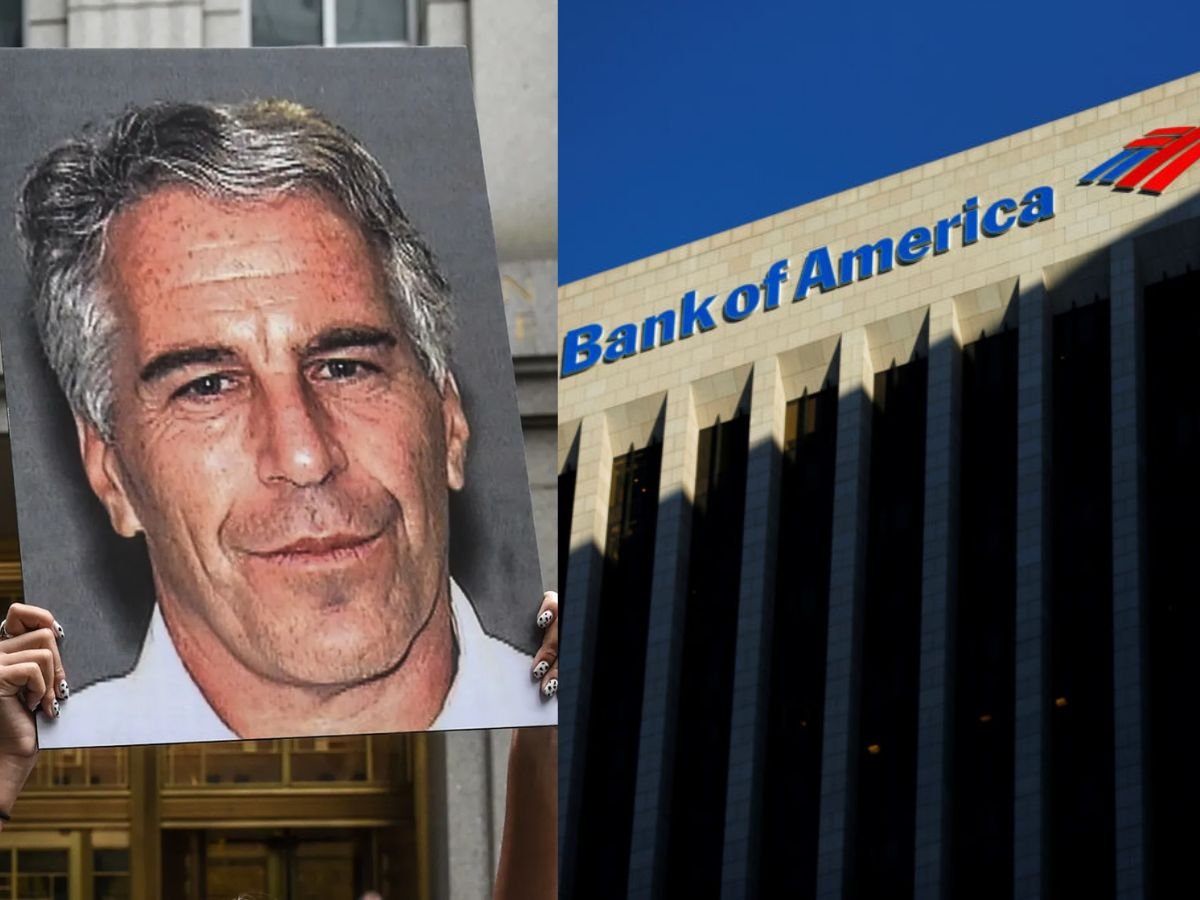

New York: In a significant development in long-running litigation linked to convicted sex offender Jeffrey Epstein, Bank of America has agreed to pay ₹600 crore to settle a civil lawsuit filed by women who accused the bank of facilitating Epstein’s abuse network. The proposed settlement, disclosed in court filings, is subject to approval by a US federal judge.
The case is being heard by Jed Rakoff in Manhattan, who is expected to evaluate the fairness and adequacy of the settlement in an upcoming hearing. The agreement follows weeks of negotiations between the bank and lawyers representing the plaintiffs, who had earlier informed the court that a “settlement in principle” had been reached.
Allegations of Ignored Red Flags
The lawsuit, filed as a class action by a woman identified as Jane Doe, alleged that Bank of America knowingly ignored suspicious financial transactions linked to Epstein despite widespread information about his criminal conduct. The plaintiffs argued that the bank prioritized profits over due diligence, effectively enabling a system that allowed Epstein’s abuse to continue unchecked.
Responding to the allegations, the bank has maintained its stance that it did not facilitate sex trafficking activities. In a statement, a spokesperson said the institution “stands by its prior filings” but agreed to the settlement to bring closure to the matter and avoid prolonged litigation. The move reflects a broader trend among financial institutions opting for settlements in high-profile cases to mitigate reputational and legal risks.
FCRF Launches Premier CISO Certification Amid Rising Demand for Cybersecurity Leadership
Legal and Financial Implications
Legal representatives for the plaintiffs, including prominent attorneys David Boies and Bradley Edwards, indicated that the agreement was in the best interest of their clients. They noted that many victims had suffered harm years ago and required immediate financial relief rather than extended courtroom battles. According to court documents, the legal team may seek up to 30% of the settlement amount—around ₹180 crore—as fees.
The case also revisits allegations that Bank of America failed to act on red flags in transactions involving Epstein and his associates. Among the financial dealings flagged were payments made by Leon Black, a billionaire investor who reportedly paid Epstein substantial sums for financial advisory services. Black has denied any wrongdoing and stated he was unaware of Epstein’s criminal activities at the time.
Broader Impact on Financial Oversight
Earlier this year, Judge Jed Rakoff ruled that the case against the bank could proceed, rejecting arguments that the claims lacked sufficient merit. The court found that the plaintiff had plausibly alleged that the bank may have benefited from Epstein’s activities, thereby allowing the litigation to move forward under federal trafficking laws.
The Epstein scandal has already led to major settlements involving other global financial institutions. In 2023, victims reached a ₹2,400 crore settlement with JPMorgan Chase and a ₹620 crore deal with Deutsche Bank. These cases similarly accused banks of failing to detect or act upon suspicious financial patterns associated with Epstein.
Despite the settlement, legal proceedings tied to Epstein’s network continue in various forms. Lawyers representing victims are also pursuing appeals in related cases, including claims against Bank of New York Mellon, which were dismissed earlier this year.
Epstein, who was arrested on federal sex trafficking charges, died in a Manhattan jail in August 2019 while awaiting trial. His death was ruled a suicide, but the circumstances surrounding it have remained a subject of public scrutiny and debate.
The latest settlement underscores the growing accountability pressure on financial institutions in cases involving alleged facilitation of criminal networks. It also highlights the increasing use of civil litigation as a tool for victims seeking justice and compensation, particularly in cases where criminal proceedings are no longer possible.
If approved, the agreement will mark another milestone in the legal aftermath of the Epstein scandal, reinforcing the expectation that banks must exercise heightened vigilance in monitoring client activities and preventing misuse of the financial system.
