

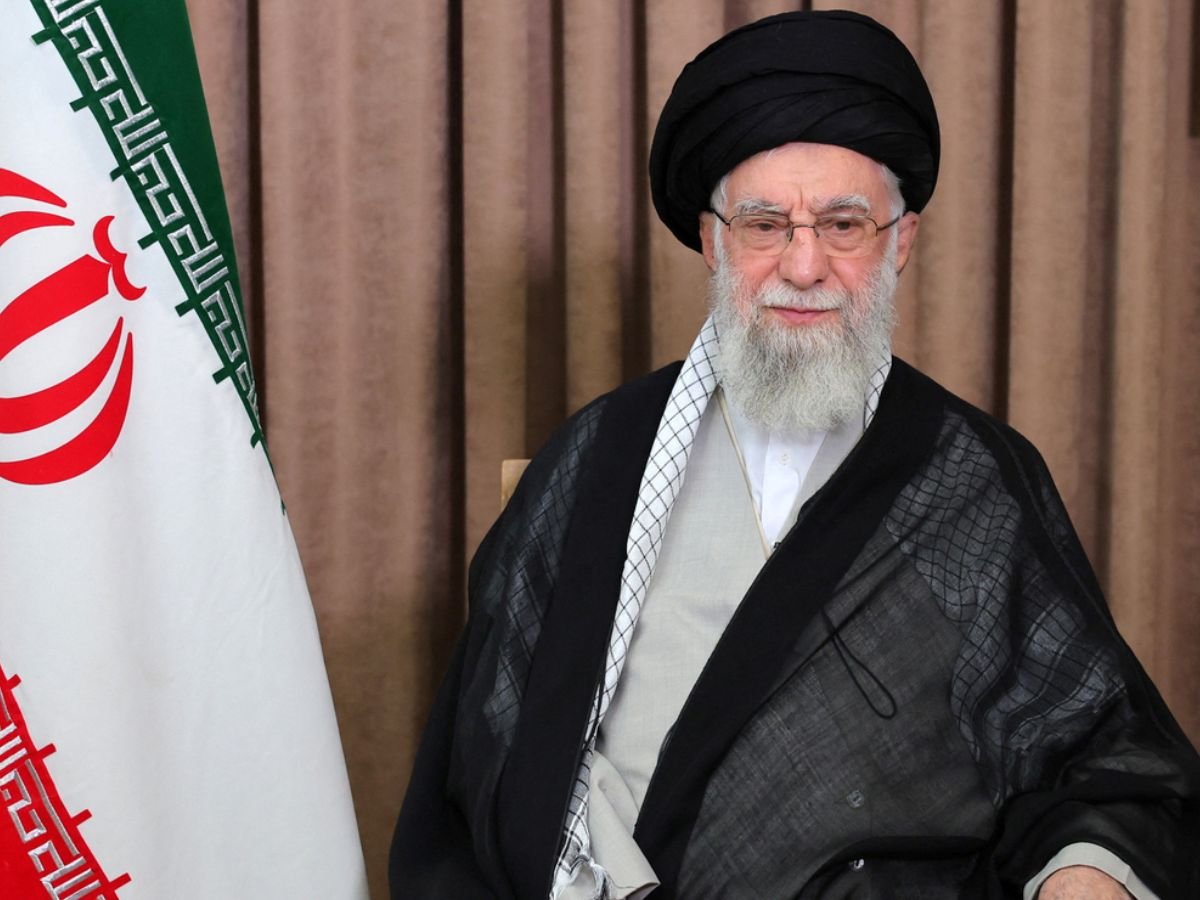
West Asia has been thrust into a dramatic and volatile phase after Iranian state media officially confirmed that the country’s Supreme Leader, Ayatollah Ali Khamenei, was killed in a joint US-Israeli airstrike. Following the announcement, the Iranian government declared 40 days of national mourning along with a seven-day public holiday. Security has been significantly tightened across Tehran and other major cities.
FCRF Launches Flagship Certified Fraud Investigator (CFI) Program
Strike Details: Targeting Khamenei’s Tehran Compound
According to official broadcasts, the strike took place early on February 28, targeting the Supreme Leader’s residential and administrative compound in Tehran. In the immediate aftermath, Iranian authorities initially denied reports of casualties. However, several hours later, state agencies confirmed that the 86-year-old leader had been “martyred” in the attack. Israeli sources claimed that his body was recovered from the rubble of the targeted complex.
US and Israel Confirm Joint Operation Success
US President Donald Trump described the operation as a “decisive joint mission,” stating that its objective was to neutralize Iran’s strategic military capabilities and senior leadership. Israeli Prime Minister Benjamin Netanyahu also issued a statement asserting that the operation had achieved its intended goals. The coordinated statements from Washington and Tel Aviv have intensified geopolitical ripples across the region.
Despite the official confirmation, tension remains high in Tehran. Local reports indicate heightened activity around key military installations and strategic facilities. Some members of the Iranian Parliament have termed the strike an “act of open war.” Videos circulating on social media show plumes of smoke rising over parts of the capital and emergency vehicles moving rapidly through affected zones.
Khamenei’s Legacy and Iran’s Uncertain Future
Khamenei had served as Iran’s Supreme Leader since 1989 and wielded decisive authority over the nation’s foreign policy, defense establishment, and strategic direction. Under his leadership, Iran pursued an assertive nuclear program, strengthened regional alliances, and maintained a confrontational posture toward Western powers. His death comes at a time when US-Iran relations were already strained and Israel-Iran hostilities had escalated following the Gaza conflict.
Global Reactions and Succession Speculation
In a subsequent message, President Trump stated that the strike marked “the beginning of a new chapter for the Iranian people.” He further signaled that military actions in the region could continue until what he termed “lasting peace” is secured. The remarks have sparked concern within the international community. Russia and China have called for restraint, while several European nations said they are closely monitoring developments.
Inside Iran, speculation over political succession has intensified. Analysts suggest that significant shifts within the country’s power structure are possible in the coming days. Emergency meetings of senior clerical bodies and Revolutionary Guard leadership have reportedly been convened. Financial markets have responded nervously, with oil prices witnessing a sharp uptick amid fears of broader regional instability.
This dramatic escalation has placed global diplomacy at a critical crossroads. Whether the strike remains a limited military action or evolves into a wider regional conflict will become clearer in the days ahead. For now, Iran enters a prolonged period of mourning and uncertainty, while the world watches Tehran, Washington, and Tel Aviv with heightened concern.
About the author – Ayesha Aayat is a law student and contributor covering cybercrime, online frauds, and digital safety concerns. Her writing aims to raise awareness about evolving cyber threats and legal responses.
