
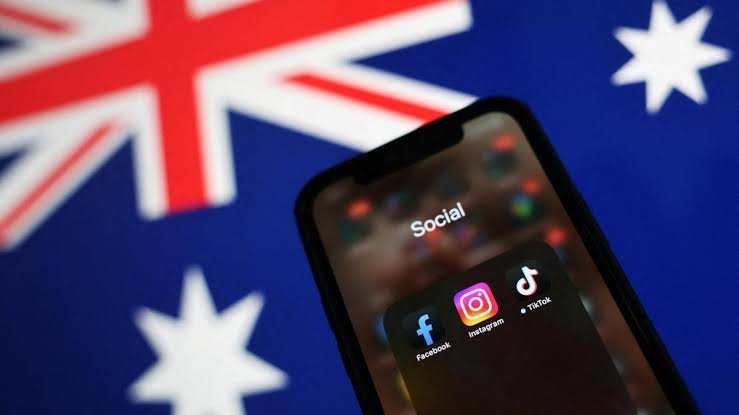

Melbourne | Australia will enforce a nationwide age restriction on social media from next week, barring children under 16 from operating accounts on major platforms. The federal government has directed companies to take “practical and effective measures” to detect and remove underage users or face significant penalties.
Facebook, Instagram, Snapchat, TikTok, X (formerly Twitter), YouTube, Reddit, Kick, Threads and live-streaming platform Twitch are all covered under the new rules. Each platform could incur fines of up to 50 million Australian dollars (US $33 million) for failing to comply.
Monthly reporting for six months, age assurance under scrutiny
Communications Minister Anika Wells told a National Press Club forum that platforms would receive notices on December 11, requiring detailed monthly reports on accounts removed for age violations. This reporting obligation will continue for at least six months.
“We understand that age assurance mechanisms can take days or weeks to complete efficiently,” Wells said. “But if systemic violations are detected, penalties will follow.”
The eSafety Commissioner confirmed that Australian courts could impose maximum fines for repeated non-compliance.
Google and Meta outline compliance steps
Google announced that starting December 10, any Australian user under 16 will be signed out of YouTube and lose access to features like playlists and subscriptions. Age will be assessed using Google account information and other signals. However, Google criticized the policy, saying:
“This rushed legislation misunderstands our platform and how young Australians use it. Most importantly, it does not fulfill its promise to make kids safer online.”
Meta (the owner of Facebook, Instagram and Threads)—said accounts suspected to belong to minors will be removed immediately. Users aged 16 and above who are mistakenly locked out can verify their age using government IDs or a video selfie through Yoti Age Verification.
Legal pushback expected; High Court challenge planned
Sydney-based digital rights group Digital Freedom Project plans to challenge the law in the High Court, arguing it infringes online freedoms and privacy rights. A hearing date is yet to be set. Wells defended the government’s stance, stating:
“Parents across Australia asked the government to step in. We will strongly defend this law in the High Court.”
A growing global trend in child safety regulation
Australia joins a wave of countries tightening digital protections for children amid rising online harms. Malaysia will block social media for under-16s starting 2026
The European Commission, France, Denmark, Greece, Romania and New Zealand are exploring similar age laws. Experts say the move reflects worldwide concern about cyberbullying, predatory behavior, exploitation, and screen addiction among younger users.
Industry concerns: lost users, high compliance cost, privacy risks
Digital industry analysts warn of major operational and economic challenges:
- Age verification technologies are expensive and complex
- Platforms may lose millions of active users
- Large-scale data collection may increase privacy vulnerabilities
Tech companies also fear children may circumvent the age restrictions by fabricating birthdates undermining the law’s objective.
Bottom line: A balancing act between child safety and digital freedoms
Australia’s enforcement action has reignited a global debate:
- Are young users fully aware of online risks?
- How far should governments go in regulating internet access?
- Can large-scale age checks be done safely without misusing personal data?
As enforcement begins on December 10, the effectiveness of compliance mechanisms will be closely watched. However, one takeaway is already clear: child safety online is now a political and regulatory priority and social media companies can no longer look the other way.
