

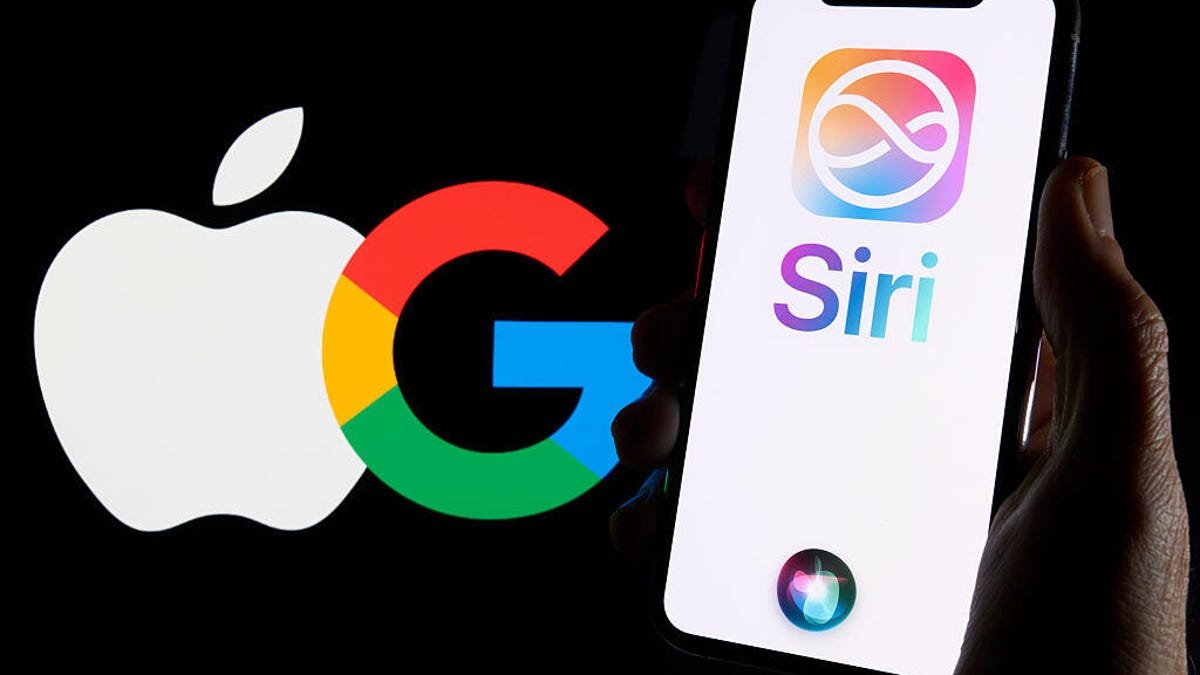

San Francisco / New York: In a significant strategic move in the global artificial intelligence (AI) race, Apple has decided to integrate its voice assistant Siri with Google’s AI technology. The partnership is expected to give Google unprecedented access to millions of iPhone and Apple device users, while posing a fresh challenge for competitors such as OpenAI.
Why Apple’s Own AI Struggled
Apple has been developing its own AI for several years, but the system never matched the effectiveness of competitors like Google and OpenAI. Given this limitation, Apple opted to leverage an already established and robust AI platform rather than continue relying solely on its in-house development.
Previously, Apple had collaborated with OpenAI, integrating ChatGPT into Siri. However, following Google’s entry, OpenAI’s role has been reduced. ChatGPT is no longer the primary AI engine within Siri and will now function in a limited capacity, handling complex queries or user-specific requests. Google’s AI, Gemini, will serve as Siri’s new core engine.
Certified Cyber Crime Investigator Course Launched by Centre for Police Technology
Apple’s Challenge in the AI Race
Apple’s journey in AI has faced hurdles. While Google, Microsoft, and OpenAI have rolled out successive AI features, Apple’s promised major updates and Siri enhancements were delayed. The new Siri update, expected by the end of the year, will now incorporate Google’s AI technology, significantly improving Siri’s ability to understand queries, provide accurate responses, and perform tasks efficiently.
This strategic move positions Apple to remain competitive in the AI market, bridging gaps that previously limited Siri’s capabilities. The update will also enhance user experience across Apple’s ecosystem, ensuring Siri is more responsive and intelligent.
What Google Gains
Google’s AI technology, Gemini, will now be accessible on millions of iOS devices worldwide. The partnership allows Google to expand the reach of its AI-powered services and products, boosting potential revenue. It also strengthens Google’s position in the global AI market, increasing its influence across multiple consumer technology platforms.
Concerns from Industry Experts
Tesla CEO Elon Musk has voiced concerns over the Apple-Google collaboration. According to Musk, consolidating such significant AI capabilities in a single partnership could reduce competition in the global AI landscape. Experts warn that if the alliance endures, it may lead to monopolistic tendencies within the AI sector.
Regulatory observers have also flagged the arrangement for scrutiny, emphasizing the need for oversight to maintain market competitiveness and prevent any single company from gaining disproportionate influence over AI technologies.
Next Steps and Potential Impact
The partnership is poised to extend the reach of AI technology to a vast user base, creating new opportunities in the global AI market. However, it also places additional pressure on OpenAI and other competitors, potentially reshaping the competitive dynamics of the AI sector.
Analysts anticipate that the coming months could see further competition and strategic alliances in the AI space, signaling a significant transformation in the global technology landscape. The Apple-Google integration marks a pivotal moment, likely to influence AI adoption, user experience, and the market strategies of other leading tech companies.
