

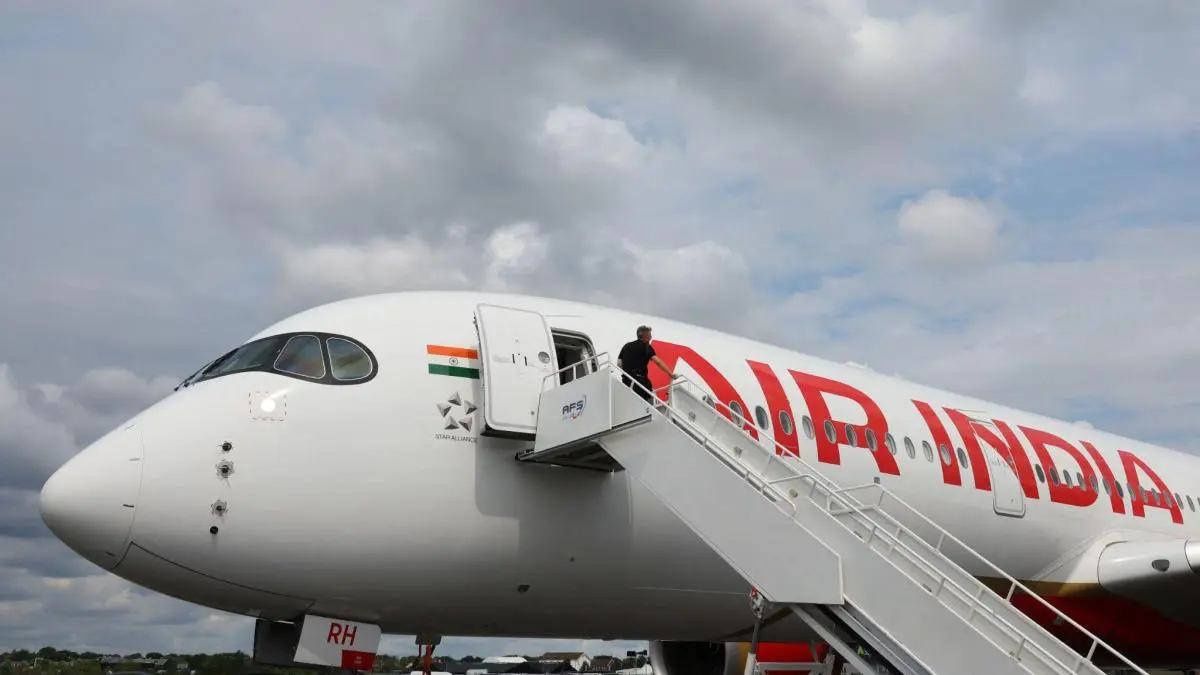
The Directorate General of Civil Aviation (DGCA) has imposed a ₹1 crore penalty on Air India for operating an Airbus A320 aircraft on multiple sectors without a valid Airworthiness Review Certificate (ARC), a mandatory annual safety clearance. The regulator said the lapse undermined public confidence in the country’s second-largest airline and reflected serious compliance failures.
According to the DGCA order, the aircraft was flown eight times between November 24 and 25 on routes including Delhi, Bengaluru, Mumbai and Hyderabad despite the ARC having expired. The certificate is required to confirm that an aircraft meets all airworthiness and maintenance standards before it is cleared for commercial operations.
Certified Cyber Crime Investigator Course Launched by Centre for Police Technology
Internal audit points to “systemic deficiencies”
Air India’s internal investigation, completed in December, acknowledged “system gaps” in regulatory compliance and called for an urgent strengthening of safety culture and procedural checks. The DGCA noted that responsible managers were found accountable for the lapses and that pre-flight verification protocols were not followed.
The regulator also observed that the pilots who operated the flights did not complete the prescribed documentation checks before departure, a critical step in the safety chain. Such omissions, it said, represent a breakdown of layered aviation safety controls designed to prevent exactly these kinds of violations.
Confidential penalty order issued to CEO
On February 5, aviation authorities issued a confidential enforcement order to Air India’s chief executive, directing the airline to deposit the penalty within 30 days. The order emphasised that repeated procedural violations could attract stricter regulatory action if corrective measures are not implemented.
Air India has not publicly commented on the penalty.
Pattern of compliance concerns
The DGCA noted that the airline had previously received warnings over issues such as operating aircraft without proper checks on emergency equipment and other audit findings. The latest violation, the regulator said, points to persistent gaps in operational oversight.
The development comes less than a year after Air India faced intense scrutiny following a fatal Boeing Dreamliner crash in June, which killed 260 people shortly after take-off. While the current case is unrelated to that accident, the DGCA indicated that safety compliance failures risk further eroding passenger trust.
Regulatory focus on accountability
Aviation safety experts say operating an aircraft without a valid ARC is a serious regulatory breach, as the certificate confirms the aircraft’s continued airworthiness after maintenance and inspection reviews. Even if the aircraft is technically serviceable, flying without documented clearance violates global aviation norms and weakens traceability in safety audits.
The DGCA has asked the airline to strengthen its compliance monitoring, ensure real-time validity checks of mandatory certificates and reinforce accountability at the managerial level.
Industry implications
The penalty signals a stricter enforcement approach by the regulator at a time when Indian carriers are expanding fleets and operations. With passenger traffic rising and aircraft utilisation increasing, regulators are expected to intensify surveillance of documentation, maintenance tracking and pre-flight verification systems.
For Air India, the immediate priority will be restoring regulatory confidence by tightening internal controls, automating certificate tracking and strengthening safety governance to prevent recurrence.
The DGCA has made it clear that adherence to procedural safety norms is non-negotiable, warning that any repeat violations could invite stronger punitive action.
About the author – Rehan Khan is a law student and legal journalist with a keen interest in cybercrime, digital fraud, and emerging technology laws. He writes on the intersection of law, cybersecurity, and online safety, focusing on developments that impact individuals and institutions in India.
