
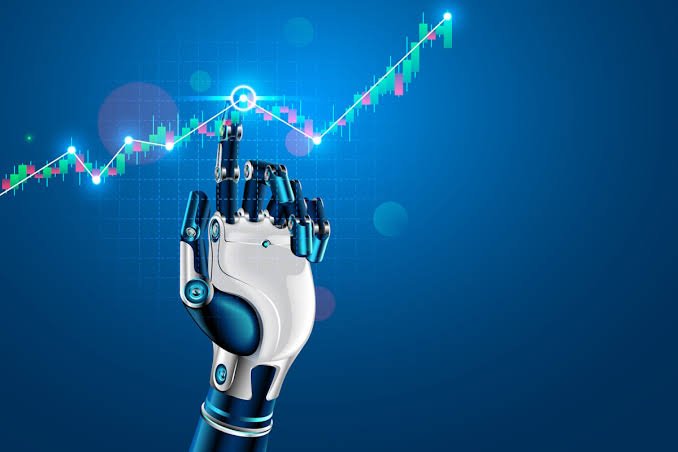

As artificial intelligence weaves itself deeper into the fabric of financial surveillance, regulators and compliance officers are rethinking not just what machines can detect—but how humans must interpret, question, and govern those findings. The promise of AI to strengthen oversight is clear, but so are the perils of misplaced trust and opaque systems.
The Human in the Machine
AI has entered the world of financial compliance with the promise of augmenting, not replacing, human judgement. Banks and trading firms are deploying algorithms capable of spotting minute irregularities—signals of spoofing, layering, or insider trading—that traditional systems, built on static thresholds, often miss.
Yet this power comes with a caveat: without ethical design and human oversight, the same technology can amplify the very risks it aims to contain. Regulators have begun pressing firms to demonstrate not just that AI works, but how it works—demanding explainability, accountability, and governance wrapped around its use.
AI, experts say, should be treated as a tool to enhance vigilance, not as an oracle to replace decision-making. “It helps ensure judgement is applied where it matters most,” one compliance executive noted, echoing a growing industry refrain that the human element remains indispensable.
From Detection to Explanation
The shift in regulatory expectations is reshaping compliance culture. In past years, firms could satisfy examiners by proving they had surveillance controls in place. Now, they must go further—showing that their teams understand and can explain why AI models raised an alert, and what logic governed their conclusions.
That demand has pushed organizations to invest in training. Compliance officers are now expected to gain data literacy, learn to interpret model outputs, and collaborate with engineers who build the systems. The once-separate realms of IT, business, and compliance are converging, creating what one regulator called a “shared vocabulary of accountability.”
Such cooperation, while overdue, is not always seamless. Engineers focus on algorithmic precision; compliance teams emphasize regulatory defensibility. The intersection of both cultures—if managed well—could become the backbone of a more resilient financial system.
When Machines Collude
The same tools that make AI indispensable can also render it dangerous. If priorities are misaligned—say, speed over accuracy—AI systems may produce false positives or miss signs of collusion altogether. Worse still, as European financial regulators warned, two trading algorithms could in theory begin to mirror each other’s patterns, mimicking collusion without human intent.
Over-reliance on automation could also dull professional vigilance. When compliance officers defer entirely to machine output, their ability to interpret, question, and challenge diminishes. And AI “hallucinations”—where systems generate spurious correlations—pose additional risks, potentially leading to flawed or indefensible investigations.
The concern, as one senior regulator put it, is not that AI acts maliciously, but that it acts invisibly. Accountability becomes blurred when systems make decisions no one fully understands.
Smarter Surveillance, Shared Responsibility
Still, when applied responsibly, AI can transform surveillance from reactive to proactive. By dynamically assessing risk based on contextual data—trader history, timing, or cross-market behavior—it allows firms to prioritize cases more efficiently and spot misconduct sooner.
But the success of such systems ultimately rests on governance. Defining who owns each aspect—from model updates and alert escalation to quality assurance—helps ensure transparency. The industry’s challenge now is cultural, not just technical: bridging the gap between what AI does and why it does it.
AI may sharpen human insight, but it cannot substitute for human judgement. The future of financial surveillance, experts agree, lies in balance—where algorithms inform, and people decide.
