

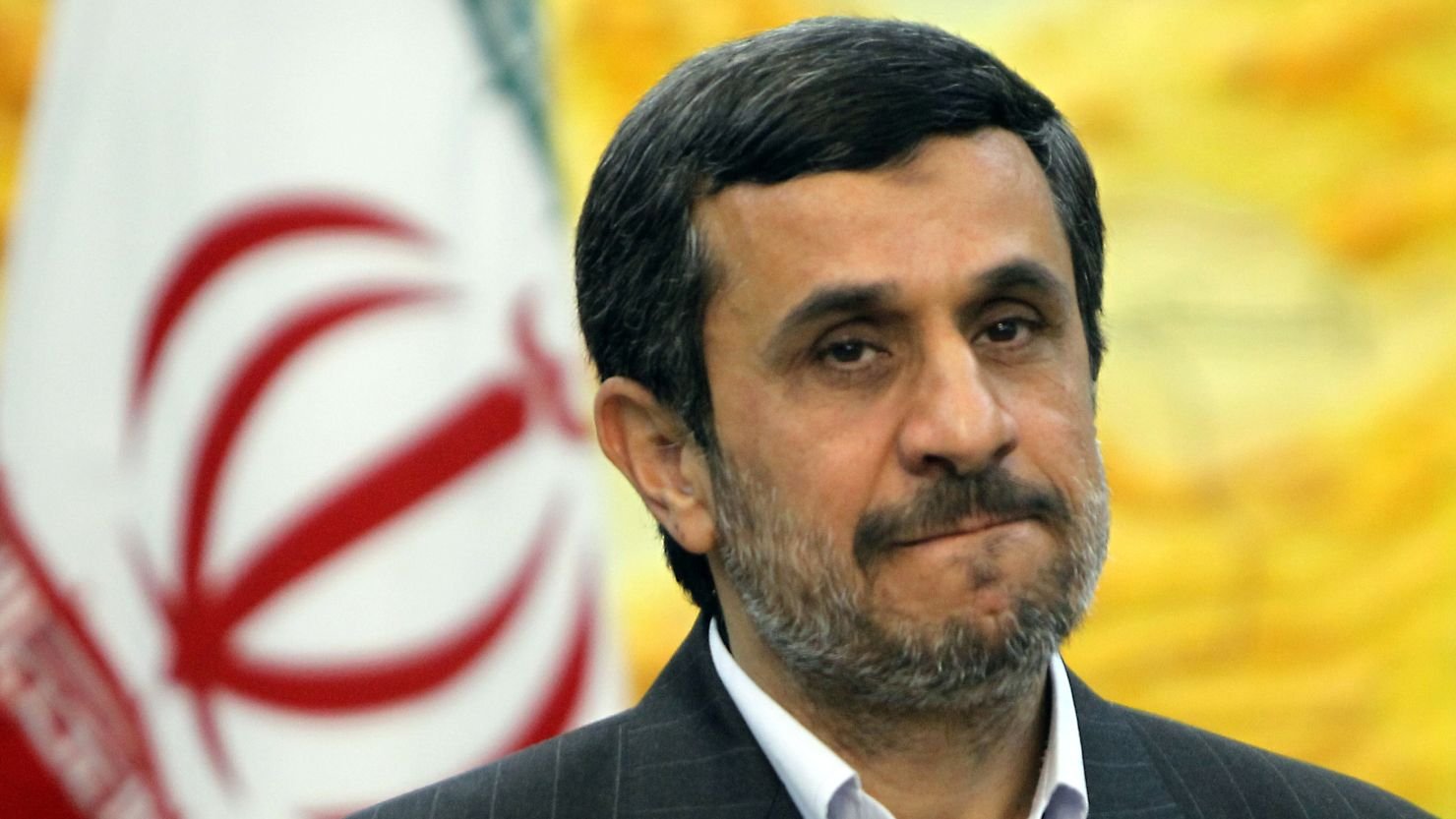
Tehran/Tel Aviv: Amid escalating tensions in West Asia, a key question continues to dominate global discussion — how did Israel obtain such precise intelligence about sensitive Iranian activities? The debate gained renewed attention after former Iranian president Mahmoud Ahmadinejad claimed that deep infiltration had occurred inside Iran’s intelligence structure, allegedly benefiting the Israeli intelligence agency Mossad.
Ahmadinejad Alleges Double Agent Led Iran’s Anti-Mossad Unit
According to Ahmadinejad, Iran’s intelligence agencies had established a special unit to identify and arrest Mossad operatives operating inside the country. However, he alleged that the officer leading this unit turned out to be a double agent. The network allegedly facilitated the transfer of sensitive information related to Iran’s nuclear program, military strategies, and high-level policy discussions.
The former president further claimed that around 20 individuals were allegedly working in dual roles and had access to classified information. While these claims have generated widespread debate, there has been no official confirmation or detailed public investigation report supporting these statements. Iranian authorities have previously maintained that their security apparatus is capable of countering foreign infiltration.
FCRF Launches Flagship Certified Fraud Investigator (CFI) Program
Mossad’s History of Bold Intelligence Operations in Iran
Security analysts say that if double agents penetrate a nation’s defense system, external intelligence agencies can gain access to critical internal data. Such information can play a decisive role in shaping strategic operations and enabling precise military or covert strikes. Intelligence gathered from inside sources can provide insights that are difficult to obtain through external surveillance alone.
Historically, Mossad has been associated with long-term strategic intelligence operations. One widely discussed case occurred in 2018 when Israel reportedly obtained documents from an Iranian nuclear archive storage facility. Israel later claimed that thousands of documents related to Iran’s nuclear program were retrieved during the operation. Iran dismissed the allegations as political propaganda, but the issue remained a major topic in international security discussions.
Beyond Human Spies: Cyber and Tech in Modern Espionage
Experts in intelligence studies note that modern espionage is not limited to human operatives alone. Contemporary intelligence gathering also relies on cyber surveillance, satellite imaging, communication interception, and financial tracking systems. However, the effectiveness of any complex intelligence mission often depends on internal cooperation. If a local network is established, an external agency may achieve significant operational advantage even with limited physical presence.
The ongoing Iran-Israel geopolitical tension has given additional political significance to these allegations. For Tehran, the claims raise questions about internal security accountability and institutional oversight. For Tel Aviv, intelligence superiority has long been considered a key strategic asset in regional defense calculations.
Implications for Iran-Israel Tensions and Global Intelligence
Iranian leadership has previously stated that its security institutions remain capable of protecting national interests against foreign penetration. However, incidents involving suspected infiltration have periodically raised concerns about operational secrecy and personnel loyalty within sensitive organizations.
West Asia’s complex geopolitical environment continues to highlight the importance of intelligence agencies in shaping strategic outcomes. Security specialists argue that such covert networks take years to develop and operate by gradually building operational links that allow information flow. The use of double agents is considered highly risky, but if successful, it can provide direct access to an adversary’s decision-making structure.
For now, Ahmadinejad’s statement has intensified discussions about Iran’s internal security mechanisms. If the allegations are ever independently verified, the implications could extend beyond Iran-Israel relations and potentially influence global intelligence politics in the future.
About the author – Ayesha Aayat is a law student and contributor covering cybercrime, online frauds, and digital safety concerns. Her writing aims to raise awareness about evolving cyber threats and legal responses.
