

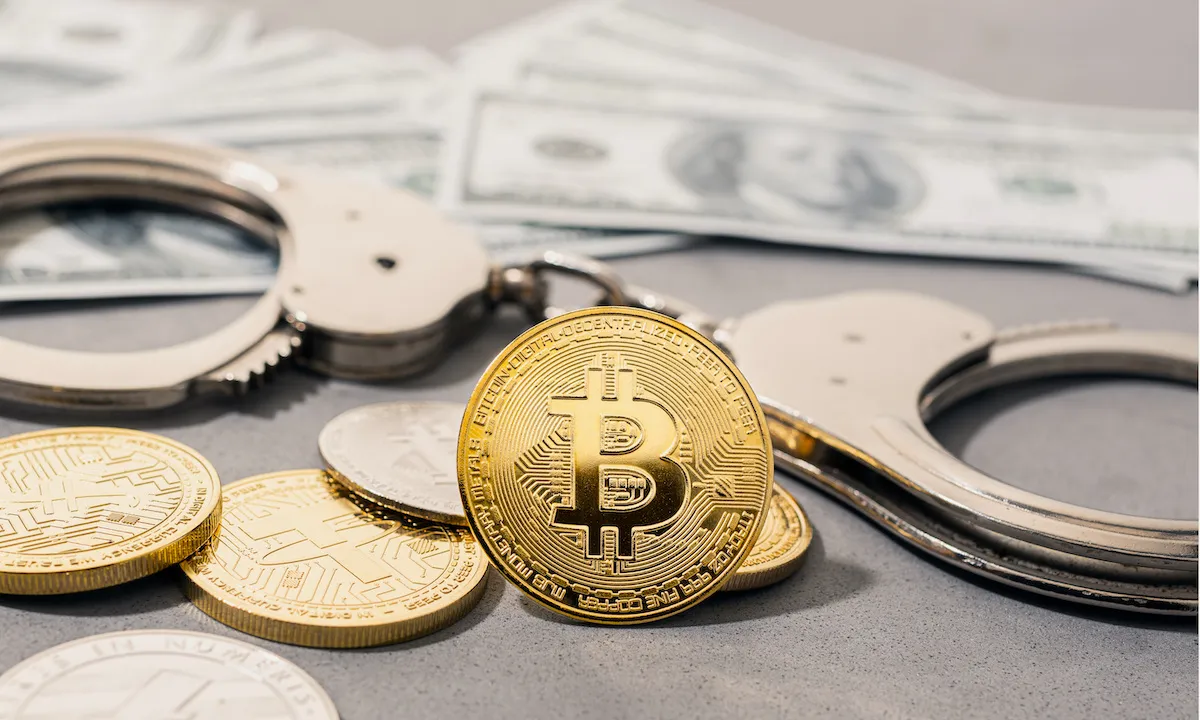
A 77-year-old resident of Parshuram Nagar in Shahganj has allegedly been duped of ₹60 lakh in a cyber fraud carried out in the name of BTC crypto trading. The accused reportedly contacted the victim through Facebook, lured him with promises of additional income, and gradually drew him into a fake online trading network that displayed inflated profits in dollars. When he attempted to withdraw the amount, he was asked to pay ‘tax’ and ‘verification’ charges, leading to further financial losses.
WhatsApp Group and Fake Dashboard
According to the complaint filed by Krishan Gopal Sharma, the ordeal began in October 2024 when he received a message on Facebook from a profile named ‘Anna’. After initial conversations, the accused offered him an opportunity to earn substantial returns through cryptocurrency trading. Claiming to be associated with a reputed trading firm, the individual shared a WhatsApp number and shifted the conversation there.
Soon, a woman identifying herself as ‘Mia’ began communicating with Sharma on WhatsApp. She assured him of high returns and persuaded him to join an exclusive online trading group. Through a link provided by the accused, Sharma was made to open a trading account and create a digital wallet.
FCRF Launches Flagship Certified Fraud Investigator (CFI) Program
Escalating Investments on False Profits
He was then instructed to transfer money to various UPI IDs for investment purposes. After each transfer, the trading account reflected increasing balances in US dollars, creating an impression of steady profits. Trusting the figures displayed on the platform, Sharma continued to invest larger amounts in multiple instalments.
As per the complaint, the account showed a balance of 39,588 US dollars at one stage. Encouraged by the apparent gains, Sharma believed his investment was yielding significant returns.
Withdrawal Blocked by Tax Demands
However, on September 19, 2025, when he attempted to withdraw the amount, the request failed. The accused then informed him that he needed to pay tax before the funds could be released. After depositing the requested amount, he was told to pay additional verification charges and other processing fees.
Each time Sharma questioned the delay, he was reassured that the entire investment along with profits would soon be credited to his bank account. Relying on these assurances, he continued transferring money as instructed. In total, nearly ₹60 lakh was transferred to different UPI accounts over several months.
Police Probe Launched
When repeated demands for payments continued and withdrawal remained impossible, Sharma realised he had been cheated. He subsequently approached the cyber crime police station and lodged a formal complaint.
Police have initiated an investigation based on digital evidence, including transaction records, UPI IDs and chat histories. Officials indicated that in such cases, funds are often routed through multiple accounts and sometimes transferred abroad, making recovery difficult.
Cyber Safety Warnings Issued
Cyber experts warn that fraudsters increasingly use social media platforms to target elderly individuals and first-time investors. Victims are initially shown fabricated profits on fake trading dashboards to build confidence, after which they are encouraged to invest larger sums.
Authorities have urged citizens to avoid clicking on unknown links, to verify the authenticity of investment platforms, and to be cautious of unsolicited offers promising unusually high returns. In case of suspected fraud, victims are advised to report the matter immediately to cyber crime authorities, as prompt reporting improves the chances of freezing transactions and tracing funds.
About the author – Ayesha Aayat is a law student and contributor covering cybercrime, online frauds, and digital safety concerns. Her writing aims to raise awareness about evolving cyber threats and legal responses.
