

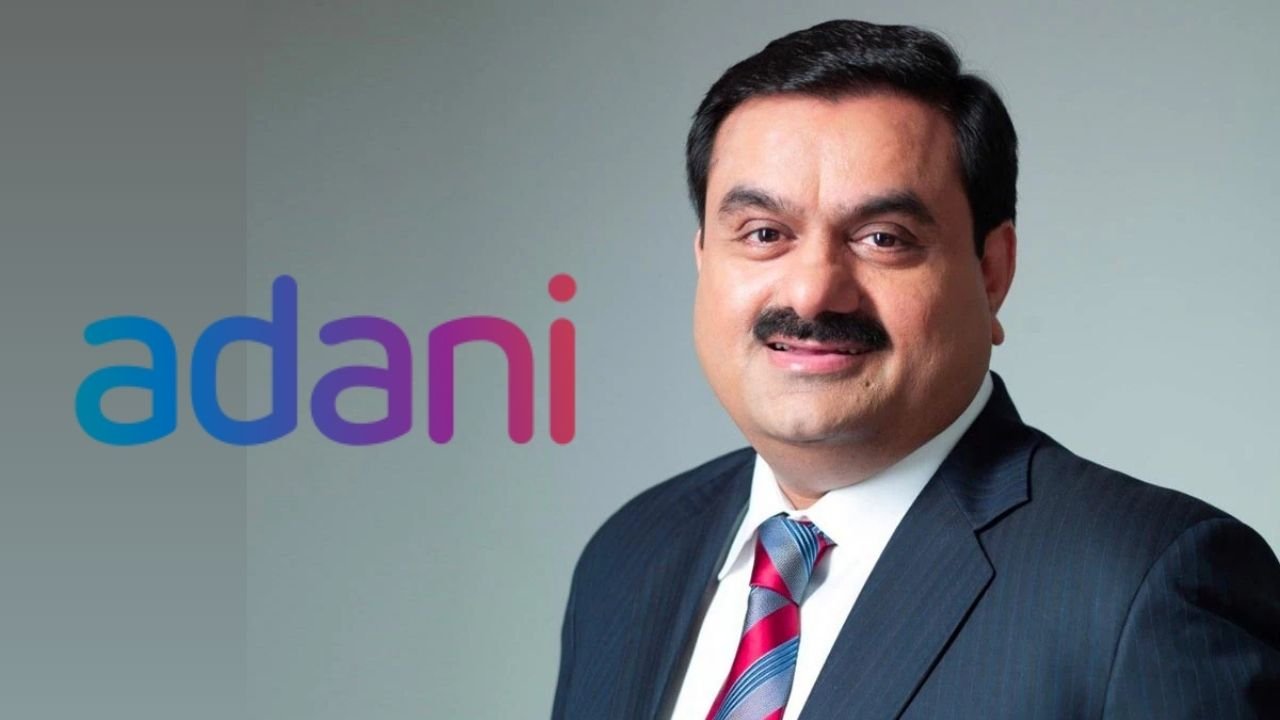

New Delhi: Billionaire industrialist Gautam Adani and his nephew Sagar Adani have agreed to formally accept legal notice from the US Securities and Exchange Commission in a long-pending civil fraud lawsuit, a procedural step that will allow the case to move forward after more than a year of delays.
The agreement, submitted to a federal court in Brooklyn, New York, is subject to judicial approval. If accepted, it will give the Adanis 90 days to either file a motion seeking dismissal of the SEC’s complaint or submit their formal defence. The regulator would then have 60 days to respond, followed by a further 45 days for the defendants’ reply.
Certified Cyber Crime Investigator Course Launched by Centre for Police Technology
The SEC’s lawsuit, filed in November 2024, alleges that Gautam and Sagar Adani violated US securities laws by making false and misleading representations to investors in connection with Adani Green Energy Ltd (AGEL). The regulator has claimed that disclosures linked to overseas fundraising did not adequately reflect risks associated with an alleged bribery scheme tied to solar power contracts in India.
The Adani Group has repeatedly denied all allegations, maintaining that its founder family members acted lawfully and that disclosures were made in accordance with applicable regulations.
Importantly, AGEL has stated that it is not a party to the SEC proceedings and that no charges have been brought against the company. In regulatory filings, the firm has emphasised that the civil case involves only two individual directors and does not relate to the company’s operations or governance practices.
Why the case was stalled
Both the SEC lawsuit and a parallel criminal investigation by US federal prosecutors in Brooklyn had remained stalled for over a year, largely because Gautam and Sagar Adani reside in India and could not be formally served legal papers under standard procedures.
In February 2025, the SEC sought assistance from India’s Ministry of Law and Justice under the Hague Convention to effect service of notice. When that route did not yield results, the regulator moved the court earlier this month seeking permission to use alternative service methods, including service through US-based legal counsel and business email addresses.
The latest joint filing indicates that counsel for the Adanis has now agreed to accept service on their behalf, eliminating the need for the court to rule on alternative service.
However, the filing also makes clear that by accepting notice, the defendants do not concede jurisdiction of the Eastern District of New York and reserve all legal defences, including challenges to personal jurisdiction.
Parallel criminal allegations
Separately, US federal prosecutors have accused the Adanis and others of involvement in a USD 265 million bribery scheme allegedly designed to secure solar power contracts in India. Those allegations form part of a criminal investigation distinct from the SEC’s civil enforcement action.
The Adani Group has said that neither Gautam nor Sagar Adani has been charged under the US Foreign Corrupt Practices Act, and that no findings of bribery or corruption have been made against them by any court.
Company stance and operations
In a stock exchange filing, AGEL reiterated that the acceptance of legal notice is a procedural development, not a determination on merits. The company said business operations continue normally across all jurisdictions, projects are progressing as planned, and its financial position remains strong.
The filing also noted that the Adanis intend to seek dismissal of the SEC’s complaint or file appropriate pleadings once the notice is formally accepted.
To defend the case, Gautam Adani has engaged Robert Giuffra Jr, a prominent Wall Street attorney and co-chair of the law firm Sullivan & Cromwell, who has also represented high-profile political and corporate clients in the United States.
What happens next
Once the court approves the stipulation, the case will proceed on a defined legal timeline for the first time since it was filed. Legal experts note that while accepting service accelerates the process, it does not signal any shift in the defendants’ stance on the allegations.
For markets and investors, the development brings procedural clarity but leaves the substantive legal questions unresolved — setting the stage for what could be a prolonged legal battle in US courts.
About the author — Suvedita Nath is a science student with a growing interest in cybercrime and digital safety. She writes on online activity, cyber threats, and technology-driven risks. Her work focuses on clarity, accuracy, and public awareness.
