

India’s IT Ministry has asked Meta to prevent Facebook and Instagram algorithms from disproportionately promoting limited narratives.
What Has MeitY Directed Meta to Do?
The Ministry of Electronics and Information Technology (MeitY), in an October 10 advisory, asked Meta to ensure its recommendation systems provide users with diverse, relevant and credible information. The ministry expressed concern that Facebook and Instagram algorithms appeared to favour certain types of content over others.
The advisory instructed Meta to act immediately and report the measures taken. It also asked the company to prevent misleading or out-of-context content from being repeatedly recommended or disproportionately amplified. MeitY further sought prompt cooperation with law enforcement agencies and reviews of widely circulated content that could cause public confusion or disorder.
FCRF Launches CP-FRM to Build India’s Next Generation of Fraud Risk Professionals
Why Was the Advisory Issued?
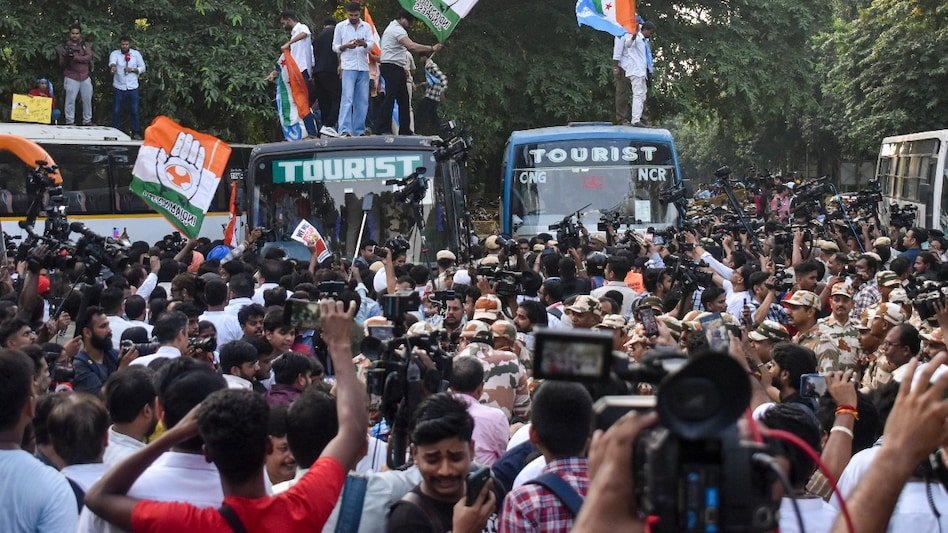
The advisory coincided with protests in Delhi organised by the Cockroach Janta Party (CJP), which demanded the resignation of Chief Election Commissioner Gyanesh Kumar. However, the advisory did not identify any specific incident as its trigger.
The ministry raised concerns about unverified claims concerning police action, restrictions and emergencies, alongside outdated or edited visuals presented as current events. It also asked Meta to provide appropriate context for photographs and videos when their dates, locations or authenticity were unclear. MeitY maintained that its directions respected lawful expression and legitimate public discussion.
What Are the Legal Concerns?
The advisory cited the Information Technology Act and due diligence obligations under the IT Rules, although neither expressly addresses recommendation systems.
Apar Gupta, founding director of the Internet Freedom Foundation, questioned its legal basis, describing it as a continuing censorship directive. He argued that the advisory’s references to insufficient context and heightened public-order sensitivity lacked clear statutory grounding. Gupta called for its withdrawal and urged Meta to disclose any content removal or downranking undertaken in response.
The controversy raises questions about how authorities and platforms determine which narratives are credible and when algorithmic amplification becomes disproportionate.
How Does This Differ From Earlier Directions?
MeitY’s October 8 advisory addressed all social media platforms, urging enhanced scrutiny of false or manipulated content affecting public order. The October 10 communication specifically targeted Meta’s recommendation algorithms and the distribution of content.
During the protests, Delhi Police issued more than 200 takedown orders through the government’s Sahyog portal. Instagram also withheld the account of political news outlet Molitics. The distinction highlights growing scrutiny of both online content and the algorithms determining its visibility.
The advisory underscores the challenge of addressing misleading information without introducing unclear restrictions on lawful speech. Transparent standards for content recommendations, moderation and regulatory intervention remain central to the debate.
Follow for daily updates on cybercrime, corporate fraud, DFIR, hacking, investigations, and digital forensics
