

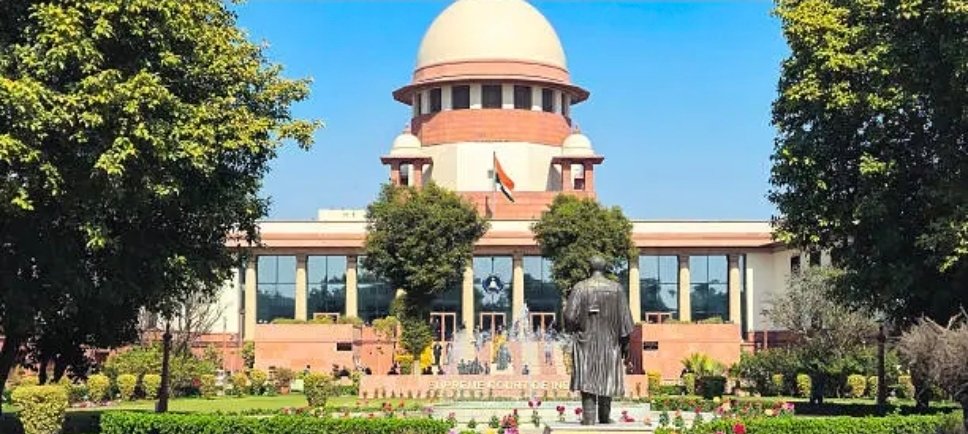

NEW DELHI: Taking a stern view of the alleged negligence of social media platforms in curbing child sexual abuse material, the Supreme Court has issued strict directions to the government and digital intermediaries, demanding a complete halt to the hosting, uploading, and circulation of content capable of harming minors. A bench comprising Justice J. B. Pardiwala and Justice K. Vinod Chandran made it clear that such material cannot be made available on any online service, including behind paywalls or through paid subscriptions. Emphasising that statutory protections enacted to safeguard children must be enforced effectively, the bench held that digital intermediaries must actively prevent their platforms from facilitating access to the sexual exploitation of minors.
Algorithmic Promotion and Evading Legal Scrutiny
During the proceedings, the bench raised serious concern over the potential misuse of platform algorithms. The court noted that, in certain circumstances, recommendation systems could promote indirect links and references rather than direct pathways to prohibited material. Such practices risk steering users toward illicit content while shielding perpetrators from regulatory and criminal oversight.
Highlighting Section 15 of the Protection of Children from Sexual Offences Act and Section 67B of the Information Technology Act, which penalise the possession, circulation, and dissemination of child sexual abuse material, the court insisted that technological mechanisms must not impede the identification and removal of abusive content. The bench stated that the obligations of digital platforms extend far beyond taking down material flagged or uploaded directly by users. Intermediaries are expected to strengthen their automated detection capabilities, prevent recurrent distribution, and scrutinise the mechanisms that enable access to content threatening the welfare of minors.
Disappointment Over Stalled Progress After Two Years
The bench expressed sharp disappointment that more than two years had elapsed since its previous order without visible progress on the ground. Reviewing recent facts and documentation submitted on child safety, the judges observed that issuing judicial directives was insufficient unless accompanied by rigorous, concrete execution.
The court warned that the continued digital circulation of child sexual abuse material inflicts profound harm on the rights, dignity, and psychological well-being of young victims. The bench observed that administrative inaction and delayed technical interventions create an environment that encourages those who create, distribute, and financially profit from such exploitation.
A Practical Framework to Fix Platform Accountability
To address persistent structural gaps, the Supreme Court stressed the urgent necessity of establishing an effective, practical protective framework. The bench warned that without coordinated monitoring, stringent legal implementation, and immediate content takedowns across all stakeholders, abusive networks would continue to expand.
The court reiterated that commercial platforms operating under subscription models or paywalls bear the identical legal responsibilities as open services, noting that payment tiers cannot become an avenue to trade or access prohibited content. Concluding its directives, the bench noted that protecting children must serve as a non-negotiable benchmark of intermediary accountability, leaving the government and technology companies with the task of deploying robust detection and enforcement systems to eliminate such content permanently.
Follow for daily updates on cybercrime, corporate fraud, DFIR, hacking, investigations, and digital forensics
