

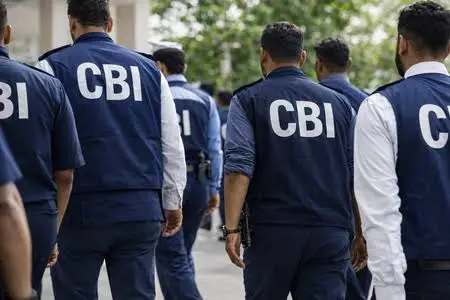
The CBI has arrested a Kerala man in a ₹1.04 crore cyber fraud case involving an alleged international ATM card smuggling racket.
Who Was Arrested by the CBI?
The Central Bureau of Investigation (CBI) arrested Muhammed Fasal K from his residence in Thamarassery, Kozhikode district, Kerala, on October 17, 2026. Investigators identified him as a key accused in an alleged cross-border cyber fraud network involving the procurement and smuggling of ATM cards.
Fasal had earlier been intercepted at Bengaluru Airport on May 13, 2026, while attempting to board a flight to Sharjah following the issuance of a Look Out Circular. He was released at that stage but remained under surveillance before his subsequent arrest.
FCRF Launches CP-FRM to Build India’s Next Generation of Fraud Risk Professionals
How Did the ₹1.04 Crore Fraud Occur?
The investigation originated from a complaint filed in July 2024 by a resident of Thrissur who allegedly lost ₹1,04,40,111. According to investigators, fraudsters impersonated FedEx representatives and cybercrime police personnel. They falsely claimed that the victim’s bank account had been compromised and was under investigation.
The complainant was allegedly persuaded to transfer money into multiple bank accounts under the pretext of verification.
How Were ATM Cards Smuggled Abroad?
The CBI investigation allegedly uncovered a network procuring debit and ATM cards from students and young people across Kerala. Investigators said individuals were offered between ₹3,000 and ₹7,000 for each active card.
These cards were allegedly smuggled to Dubai through illegal channels, where overseas associates used them to withdraw proceeds of cyber fraud. The money withdrawn abroad was reportedly channelled back into India. Investigators suspect that portions of the proceeds were invested in real estate across the country. Fasal is also suspected of involvement in gold smuggling operations into Kerala.
What Is the CBI Investigating Now?
The agency is examining banking records, transaction trails and asset documents to identify other participants in the alleged syndicate. Investigators are tracing local card suppliers, couriers, UAE-based operatives and possible corporate entities used to conceal the movement of funds.
The CBI is also seeking to establish the ultimate beneficiaries of the diverted money. Further custodial questioning is continuing as investigators examine the suspected network’s international connections.
The case illustrates how physical ATM cards can allegedly be used to move cyber fraud proceeds across international borders. By recruiting cardholders in India and withdrawing funds overseas, such networks can complicate financial investigations. The CBI’s continuing probe will seek to establish the roles of the accused, the movement of funds and the identities of the final beneficiaries.
Follow for daily updates on cybercrime, corporate fraud, DFIR, hacking, investigations, and digital forensics
