

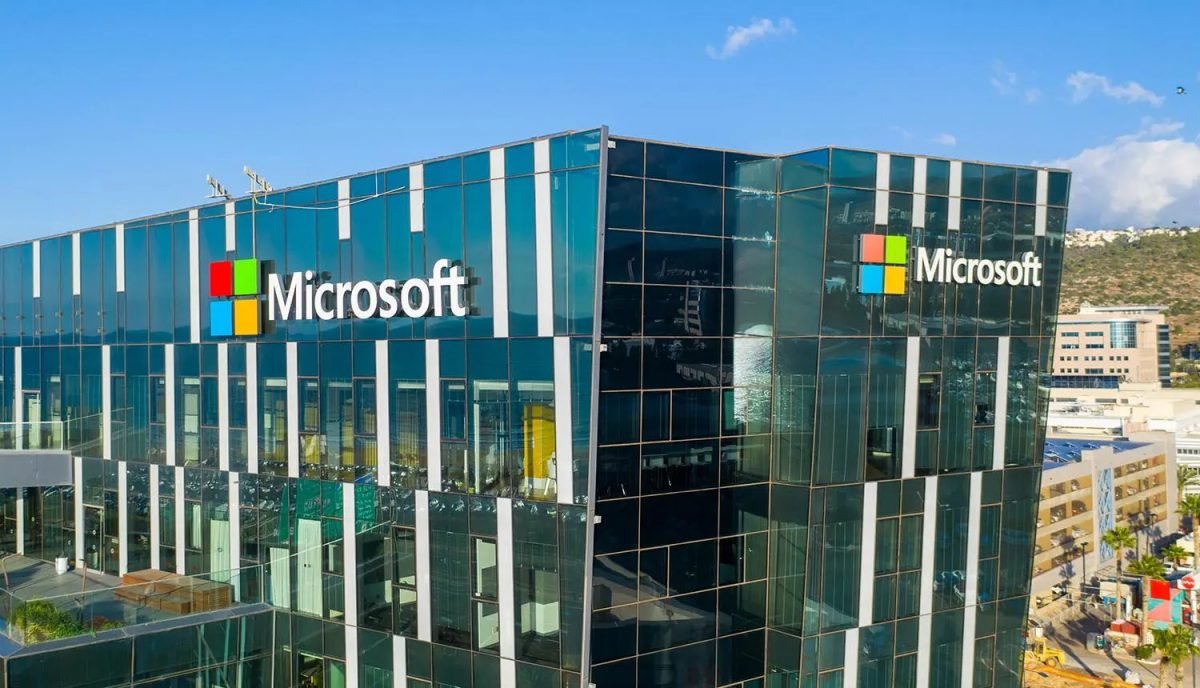

Technology giant Microsoft has strongly denied accusations of abusing the H-1B visa programme, asserting that 80 per cent of the approximately 6,000 visa petitions it submitted in the last fiscal year were filed for existing staff members rather than new hires. The company clarified that those filings were made strictly to extend current visas or adjust legal immigration statuses. The response followed an announcement by US Vice President JD Vance stating that the administration had suspended Microsoft from a federal programme tied to permanent residency processing, amid claims that the firm replaced domestic staff with foreign labour.
Company Rejects Claims of Displacing Domestic Workers
Microsoft maintained that American citizens form the overwhelming majority of its domestic workforce and stated that it only submits H-1B petitions for workers who satisfy statutory eligibility rules. Defending its employment practices, the tech firm reported that the remaining 20 per cent of its petitions involved foreign individuals who were already residing legally within the United States before deciding to join the company. According to corporate figures, those recruits represented only about one per cent of Microsoft’s entire US workforce.
Addressing wage concerns, Microsoft stated that compensation for its H-1B holders matches what it pays other staff in equivalent roles. The company stressed that its overall pay packages remain among the most competitive across the technology sector, with filed visa wage rates reflecting that top tier. Microsoft expressed readiness to provide the federal government with additional documentation to demonstrate that its filings comply with existing regulations.
Administration Links Sanctions to American Layoffs
The friction escalated after Vice President JD Vance publicly accused Microsoft of dismissing 6,000 American workers and subsequently bringing in 6,300 foreign workers under H-1B status. Speaking to reporters at the White House, Vance said that while Microsoft remains an essential domestic enterprise, it must focus on hiring American citizens. He asserted that the administration’s punitive action was designed to stop companies from using guest-worker channels to bypass domestic talent.
The regulatory measures target Microsoft’s participation in the US Department of Labor’s Permanent Labour Certification scheme, widely known as the PERM programme. Because PERM certification forms a foundational requirement for obtaining an employment-based green card, the suspension threatens to stall residency applications for foreign staff members at the company. Official statements have not disclosed the exact number of employees whose pending green card processes could be delayed.
Immigration Enforcement Scrutiny Expands Beyond Tech Sector
The enforcement drive against Microsoft is part of a wider push by the Trump administration to tighten employment visa rules and protect domestic jobs. Alongside the corporate suspension, Vance indicated that federal investigators are examining several prominent American universities regarding their use of separate visa mechanisms for foreign researchers and academic professionals. The broader crackdown reflects administration arguments that overseas visa programmes have increasingly encroached upon employment opportunities reserved for qualified Americans.
The H-1B category has long served as a key staffing vehicle for the technology industry to secure specialized talent in engineering, computer science, and related technical disciplines. While Microsoft maintained that its strategy balances domestic talent growth with international technical recruitment, the ongoing disagreement between the company and federal authorities remains unresolved as both sides navigate the fallout from the suspension.
Follow for daily updates on cybercrime, corporate fraud, DFIR, hacking, investigations, and digital forensics
