

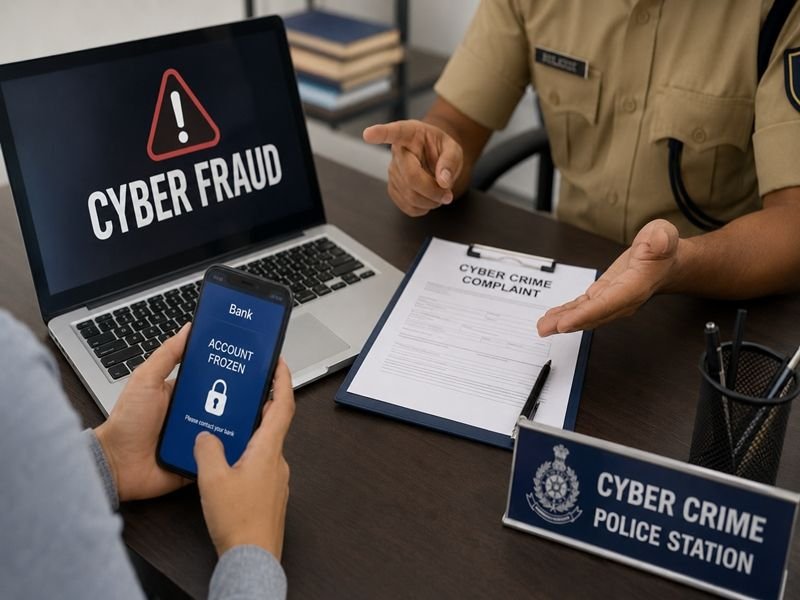

A significant majority of cybercrime victims in India remain dissatisfied with police action despite widespread government efforts to expand digital reporting channels, according to the ‘Status of Policing in India Report 2026’ released by Lokniti-CSDS and Common Cause. The study reveals that 63 percent of victims report dissatisfaction with police handling of their cases, with over one-fourth expressing acute dissatisfaction. Although initiatives such as dedicated cyber helplines, the National Cyber Crime Reporting Portal, and specialised cyber police stations have facilitated easier filing, public confidence drops sharply once complaints transition into the formal investigation stage.
Growing Disillusionment Across the Investigation Pipeline
The survey assessed the journey of victims through four key stages of interaction, observing a clear downward trend in satisfaction as cases progressed. Half of the complainants reported being satisfied at the initial helpline contact, but that figure declined to 47 percent for online portal submissions and 46 percent during physical station registration. Confidence dropped to its lowest point during the police investigation phase, where only 43 percent of respondents stated they were satisfied. These figures indicate that while registering a case has become technically simpler, police machinery frequently falters when it comes to active follow-up, thorough inquiry, and conclusive case resolution.
Disproportionate Impact on Women and Rural Complainants
The findings highlight notable disparities in how different demographic groups experience the criminal justice process, with women and rural residents facing steeper hurdles. While overall dissatisfaction stood at roughly 63 percent across genders, over 26 percent of women reported high levels of dissatisfaction, compared to 18 percent of men. The disparity points to an ongoing deficit in sensitive handling and dedicated support mechanisms for female victims. Rural citizens also bore a disproportionate logistical burden. Approximately 23 percent of rural complainants were forced to visit a police station five or more times regarding a single complaint, compared to just 10 percent of urban residents, leading to substantial losses in working hours and daily wages.
Lengthy Station Delays Hamper Case Pursuit
Prolonged waiting periods and cumbersome procedural steps at physical stations continue to deter complainants from pursuing legal remedies. The survey recorded that 34 percent of visitors waited between two and three hours merely to have their grievances heard, while 14 percent were made to wait over four hours. Only 29 percent received police attention within an hour of arrival. Furthermore, only 31 percent managed to register their complaints within one or two trips, with nearly a quarter making three to four visits. Although 57 percent of respondents viewed the registration formalities as relatively straightforward, 42 percent described the process as difficult, underscoring an institutional gap between accessible digital portals and the practical capacity required to resolve high-tech crimes.
Follow for daily updates on cybercrime, corporate fraud, DFIR, hacking, investigations, and digital forensics
