
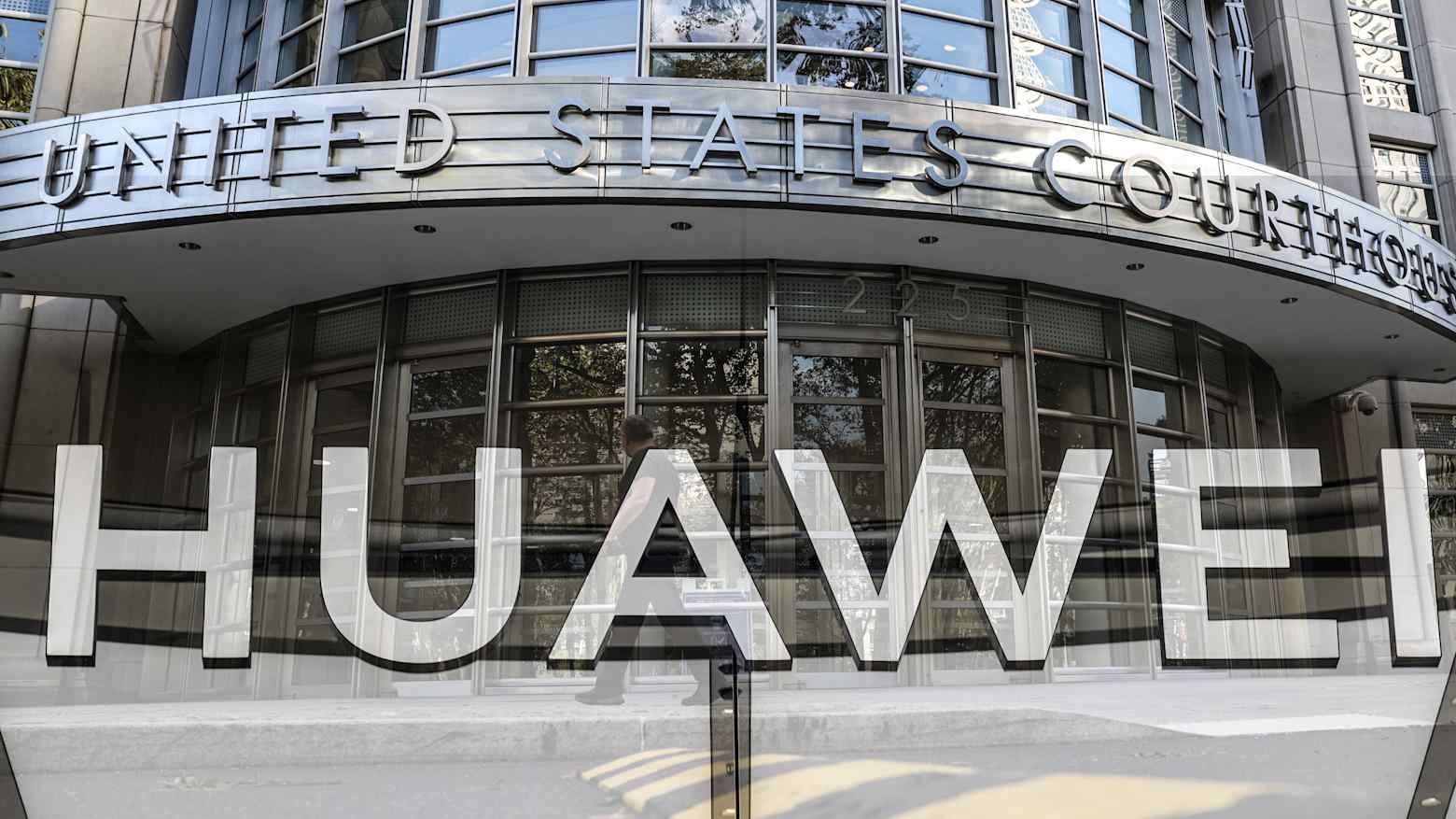

The federal criminal trial against Chinese telecommunications giant Huawei opened in Brooklyn on Wednesday, with United States prosecutors accusing the company of operating as a criminal enterprise that spent nearly two decades stealing American technology and circumventing sanctions against Iran. Government attorneys told jurors that Huawei systematically acquired trade secrets from five American companies, including router source code and mobile testing robotics, to secure an unfair competitive edge in the global telecommunications market. The defense countered that prosecutors are stringing together isolated employee missteps and lawful business dealings to fabricate a grand corporate conspiracy.
Allegations of Stolen Router Code and Robotic Testing Devices
Addressing the jury in opening statements, prosecutors detailed specific instances of trade secret theft allegedly directed against Cisco Systems and T-Mobile. The government claimed individuals tied to Huawei sought illicit access to proprietary router source code and that an employee stole a specialized robotic device used to test smartphones. Prosecutors noted that video evidence documenting the alleged theft would be introduced during the trial to demonstrate a coordinated push to lift key technology from American rivals.
Huawei’s defense counsel pushed back against the racketeering framing, arguing that the proceedings conflate standard corporate competition with criminal misconduct. The defense maintained that the disputes involving Cisco and T-Mobile were rogue acts committed by individual workers, not executive directives. Lawyers noted that corporate management enacted corrective steps once informed of the incidents. They cited a separate matter involving unauthorized photos taken of Fujitsu networking equipment at a trade show, calling it an isolated act of employee folly that resulted in the worker’s immediate termination.
Iran Business Operations and Sanctions Scrutiny
A substantial portion of the government’s case centers on Huawei’s historical commercial footprint in Iran. The criminal charges, which originated in 2018 alongside an indictment against former chief financial officer Meng Wanzhou, accuse Huawei of concealing its Iranian ties from global banks to process millions of dollars through the American financial network. Prosecutors argued that retaining access to the dollar clearing system shielded Huawei from international trade restrictions and alleged the company’s activities may have assisted Tehran in monitoring domestic citizens.
The defense challenged the government’s economic timeline, contending that prosecutors lack proof showing Huawei intentionally broke American sanctions statutes through dollar-based transactions. Defense attorneys asserted that the financial institutions involved were already aware of Huawei’s connections to Iran and actively pursued its commercial accounts. Meng, who spent nearly three years fighting extradition in Canada before her charges were dismissed in 2022 under a deferred prosecution agreement, remains a central figure as prosecutors plan to introduce her past statements as trial evidence.
Geopolitical Friction as Brooklyn Proceedings Begin
The trial opens against a backdrop of sweeping American regulatory scrutiny of Huawei, which has diversified from telecommunications hardware and smartphones into artificial intelligence processors. The company remains subject to stringent domestic restrictions, and American suppliers require Commerce Department licenses to export technology to the firm. China’s Foreign Ministry has denounced the prosecution as an unlawful campaign to suppress domestic businesses, pledging state support for corporate interests abroad.
The Brooklyn trial is scheduled to run for roughly three months. Jurors will ultimately determine whether Huawei oversaw a structured, corporate-wide criminal conspiracy or if federal prosecutors improperly built a racketeering case out of disconnected workplace incidents and routine international business.
Follow for daily updates on cybercrime, corporate fraud, DFIR, hacking, investigations, and digital forensics
