

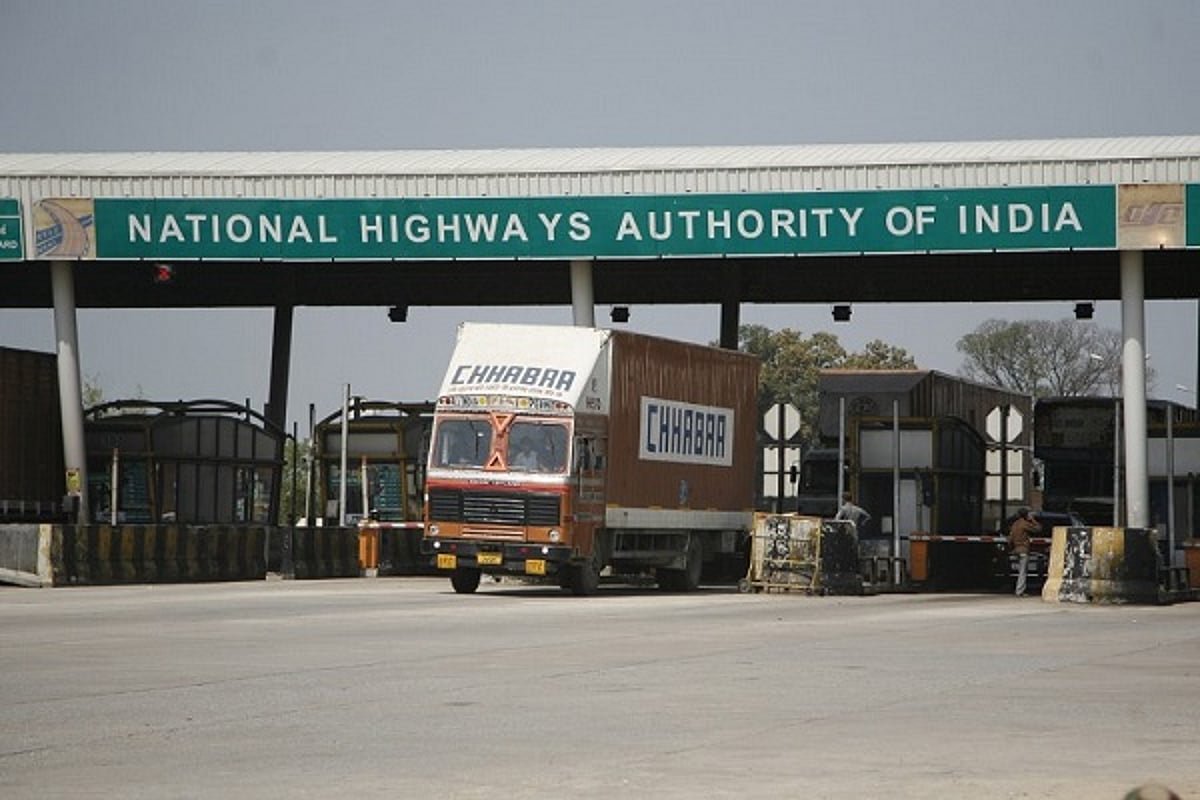
The Enforcement Directorate (ED) on Wednesday conducted simultaneous searches across multiple states as part of a money laundering investigation into alleged fraudulent toll collection at National Highways Authority of India (NHAI) toll plazas.
Around 14 locations in Uttar Pradesh, Rajasthan, Maharashtra, Jammu and Kashmir, Madhya Pradesh, Delhi-NCR and West Bengal were searched as the agency stepped up its probe into the alleged diversion of toll revenue.
The searches were aimed at recovering digital and documentary evidence related to the alleged use of unauthorised software, tracing financial transactions and identifying individuals or entities that may have benefited from the suspected irregularities.
According to officials, the action was initiated under the Prevention of Money Laundering Act (PMLA) after the agency took cognisance of two police FIRs registered in connection with the alleged fraud.
The FIRs reportedly allege that unauthorised software applications were used at certain toll plazas to generate toll receipts outside the authorised system.
The alleged practice may have resulted in a portion of the toll collections being diverted outside the official accounting mechanism. Investigators are now examining how the system was operated, who had access to it and whether the collections recorded through the unauthorised software differed from the amounts reflected in official records.
Algoritha Security Launches ‘Make in India’ Cyber Lab for Educational Institutions
How the Alleged Toll Collection Fraud Worked
At a toll plaza, payments collected from vehicles are normally recorded through an authorised system so that the revenue can be reconciled with official records. The investigation alleges that separate software was used at some locations to interfere with this process.
Such software allegedly enabled the generation of toll receipts that did not correspond with transactions recorded in the official accounting system. This could have created discrepancies between the actual amount collected and the revenue reported through the authorised mechanism.
The ED is expected to examine computers, mobile phones, electronic devices, documents and financial records recovered during the searches. Particular attention will be paid to bank accounts and individuals or entities that may have received or benefited from the alleged proceeds of crime.
Probe Moves From FIRs to the Financial Trail
Officials said the ED began examining the money laundering angle after preliminary police investigations brought the alleged irregularities to light. The agency is now attempting to trace the movement of the suspected proceeds through bank accounts, companies or other financial channels.
Investigators are also expected to determine whether employees associated with toll operations, contractors or other intermediaries played any role in the alleged arrangement. Digital evidence will be examined alongside NHAI records and banking transactions to establish the flow of funds and identify the beneficiaries.
Digital Evidence Could Reveal the Wider Network
The identification of unauthorised software through forensic examination has emerged as a significant aspect of the investigation. Data recovered from electronic devices could provide information about the software’s operation, its users and possible financial transactions linked to the alleged diversion of toll revenue.
The ED has not so far publicly disclosed the total amount allegedly diverted or announced any arrests in connection with the searches. The agency is expected to analyse the material seized during the operation before deciding on further action.
The investigation will also seek to establish whether the alleged irregularities were isolated incidents or part of a wider network operating across multiple toll plazas. Any further legal action will depend on the evidence gathered during the investigation, while the allegations remain subject to judicial scrutiny.
