

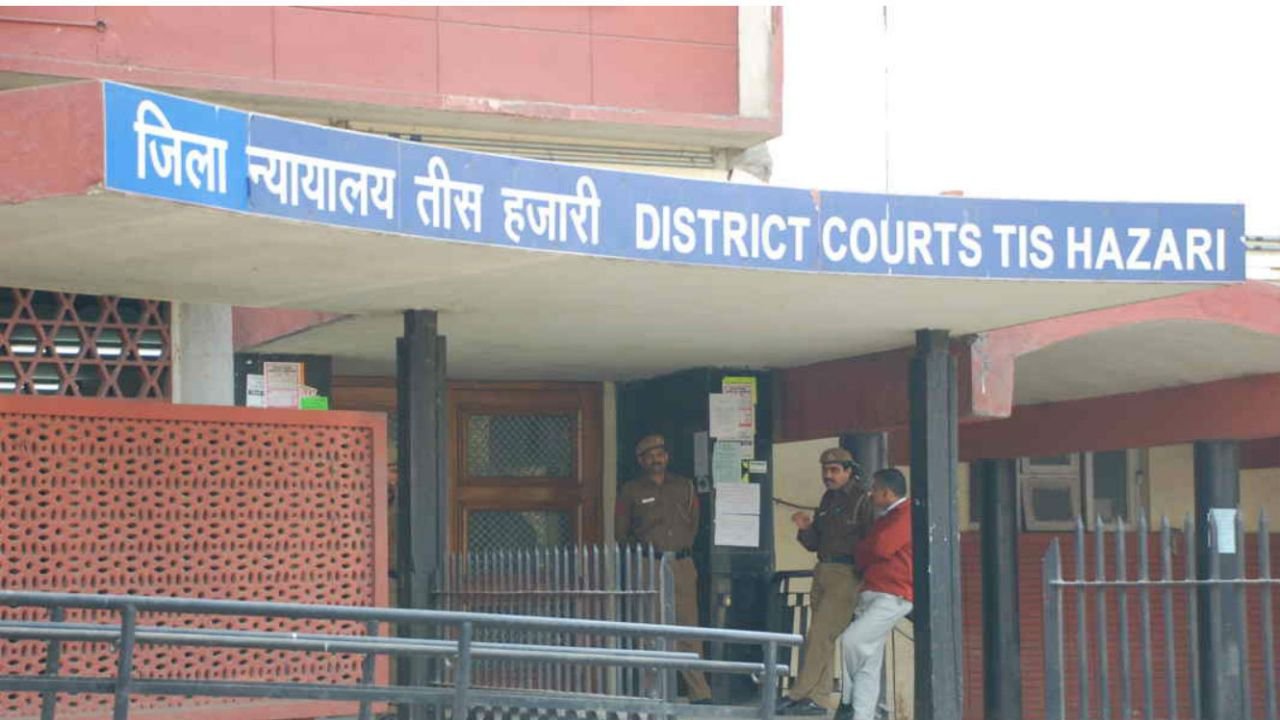

Delhi’s Tis Hazari Court has convicted conman Sukesh Chandrashekhar in a case involving an alleged attempt to influence a special judge of the Anti-Corruption Branch by posing as a Supreme Court judge. The court found him guilty under Sections 170, 189 and 507 of the Indian Penal Code.
The case centres on allegations that Sukesh, while in judicial custody, gained access to the mobile phone of constable Manjeet and used it to contact the official landline number of the ACB special judge hearing a corruption case.
According to the case, Sukesh initially introduced himself as the secretary of a Supreme Court judge and later claimed to be a Supreme Court judge himself. He allegedly attempted to pressure the special judge to grant bail and influence the outcome of the proceedings.
Algoritha Security Launches ‘Make in India’ Cyber Lab for Educational Institutions
Court Calls It a Calculated Attempt to Influence Judiciary
The court said the incident could not be treated as a case of mistaken identity or an isolated phone call.
It described the conduct as a planned and calculated attempt to influence the judicial system. The court observed that impersonating a judge amounted to an attempt to assume the authority and credibility associated with a judicial institution.
According to the court, the prosecution evidence formed a coherent chain that supported the allegations against Sukesh and pointed to his guilt.
The conviction followed the court’s assessment of the evidence relating to the phone call, the identity allegedly assumed by Sukesh and the circumstances in which he contacted the special judge.
Call Allegedly Made From Constable’s Phone During Custody
A key part of the case concerns how Sukesh allegedly obtained access to constable Manjeet’s mobile phone while in judicial custody.
Using that phone, he allegedly contacted the official landline of the ACB special judge dealing with the corruption case.
The prosecution case states that Sukesh first represented himself as the secretary of a Supreme Court judge before later identifying himself as a judge of the Supreme Court.
The alleged objective was to influence the special judge in relation to bail and the broader outcome of the case being heard.
Delhi Police Told to Re-Investigate Constable’s Role
The court has directed Delhi Police to re-investigate the role of constable Manjeet in the matter.
The fresh inquiry is expected to examine how Sukesh obtained access to the constable’s mobile phone while in custody and whether the constable played any role in facilitating the alleged call.
The court has indicated that this aspect remains important to understanding the circumstances in which the phone was used and whether any wider conspiracy was involved.
The conviction establishes Sukesh’s guilt in the impersonation case, while the separate inquiry into the constable’s role is set to continue.
Follow for daily updates on cybercrime, corporate fraud, DFIR, hacking, investigations, and digital forensics
