

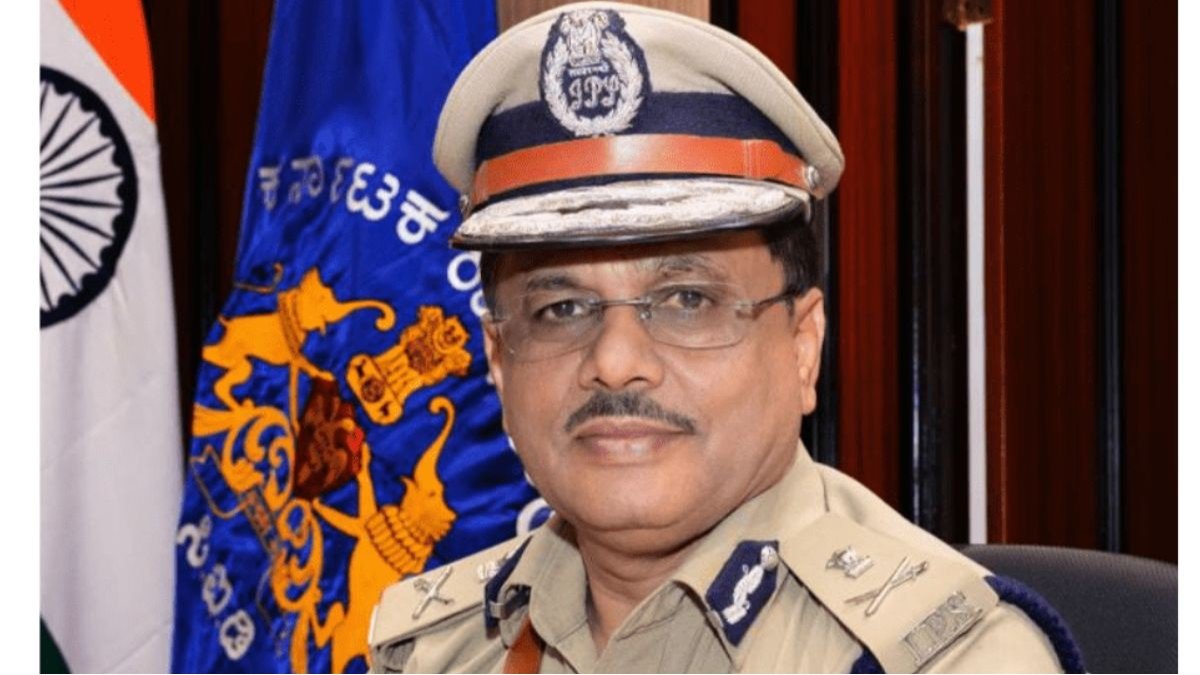
Karnataka Director General of Police M.A. Salim has ordered the abolition of the colonial-era orderly system, a move aimed at redirecting police constables from personal household duties to their core policing responsibilities.
Salim, an IPS officer of the 1993 batch, recently received a full one-year extension up to August 2027. The decision to discontinue the orderly practice marks a change in how constabulary personnel are to be deployed within the state police system.
Constables to Be Redirected to Core Police Duties
Under the orderly system, police constables could be assigned to personal household tasks rather than regular policing work. Salim’s order seeks to end that practice and ensure that personnel are instead directed towards their primary law enforcement responsibilities.
The move is intended to make greater use of available police personnel for core duties. By abolishing the system, constables who might otherwise have been engaged in household-related assignments can be redirected to regular policing responsibilities.
The decision specifically addresses a practice described as dating back to the colonial era, signalling an effort to change an established arrangement within the police force.
DGP M.A. Salim Orders Abolition of Practice
The order has been issued by Karnataka DGP M.A. Salim, who belongs to the 1993 batch of the Indian Police Service.
The information available states that Salim has received a full one-year extension in his position up to August 2027. During his extended tenure, he has now directed that the orderly system be abolished.
The decision focuses on the deployment of constables and the nature of duties assigned to them. Instead of being used for personal household work, the personnel are to be available for policing responsibilities.
Colonial-Era System Brought to an End
The orderly system has been characterised as a colonial-era practice. Its abolition is intended to shift personnel away from household assignments and towards duties directly connected with policing.
The order represents an administrative change in the utilisation of police constables in Karnataka. The information available does not specify a timetable for implementation or provide further operational details on how personnel currently serving in such roles will be reassigned.
The move also raises the question of whether similar changes could be considered elsewhere, as Karnataka proceeds with ending the longstanding practice and redirecting constables towards core police work.
