

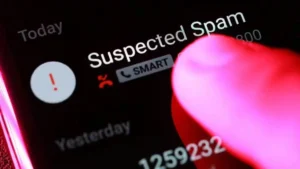
The Telecom Regulatory Authority of India (TRAI) has released its report on action taken against Unsolicited Commercial Communications (UCC) during the first quarter (April–June) of the 2026–27 financial year. According to the report, nearly 13.16 billion promotional calls were made through the 140 number series, of which 1.48 billion calls were blocked based on consumers’ Do-Not-Disturb (DND) preferences. TRAI said the DND framework is designed to protect consumers from receiving unwanted promotional calls while allowing them to choose the type of commercial communication they wish to receive.
The report states that an AI-powered monitoring system played a significant role in identifying suspicious communication during the quarter. The system detected approximately 24.43 billion suspicious calls and messages, which were subsequently restricted or blocked in accordance with DND preferences and regulatory requirements. TRAI noted that artificial intelligence is increasingly being used to analyse large volumes of telecom traffic, enabling telecom operators to detect suspicious communication patterns more efficiently and reduce unsolicited commercial communication.
According to the regulator, approximately 1.15 billion calls were also made through the 160 number series during the same period. TRAI clarified that the 160 series is reserved for service and transactional communications from banks, financial institutions, insurance companies, government agencies, and other authorised entities. Unlike the 140 series, these calls are not intended for promotional or marketing purposes but are meant to provide customers with essential service-related information.
The report further revealed that registered senders and authorised telemarketers sent nearly 248.06 billion commercial SMS messages during the first quarter of FY 2026–27. Of these, around 7.30 billion were promotional SMS messages. TRAI reiterated that all registered entities are required to comply with regulatory provisions governing commercial communications, including consumer consent requirements, to ensure that promotional messages are sent only to users who have opted to receive them.
TRAI explained that the 140 number series was introduced to help consumers easily identify calls made for advertising, marketing, and promotional purposes. The regulator believes that this classification improves transparency by allowing users to distinguish promotional calls from important service-related communications. Similarly, the 160 series was introduced to create a separate identity for banking, financial services, insurance (BFSI), and government communications, thereby reducing confusion and improving trust in legitimate service calls.
Cybersecurity experts have cautioned that although dedicated numbering series improve transparency, cybercriminals often use techniques such as caller ID spoofing, fake telemarketing campaigns, and fraudulent calls to deceive consumers. They warn that users should not assume a call is genuine solely because it appears to originate from a recognised number series. Any caller requesting sensitive information such as banking credentials, OTPs, UPI PINs, debit or credit card details, or passwords should be treated with caution.
Experts also emphasise that AI-based monitoring, the DND framework, and stricter regulatory oversight are important tools in reducing spam calls and unsolicited commercial communications. However, consumer awareness remains equally critical. Users are advised to report suspicious calls or messages through their telecom service provider’s grievance mechanism or other officially designated complaint channels. Prompt reporting can help telecom operators identify abusive communication patterns and take corrective action more quickly.
Industry observers believe the latest figures demonstrate the growing role of technology in combating spam communications while highlighting the continued scale of unsolicited commercial traffic across telecom networks. They note that stronger enforcement of telemarketing regulations, wider adoption of AI-driven monitoring systems, improved compliance by registered senders, and increased consumer vigilance will be essential to reducing spam calls, fraudulent messages, and the cyber risks associated with unsolicited communications in the future.
Follow for daily updates on cybercrime, corporate fraud, DFIR, hacking, investigations, and digital forensics
