

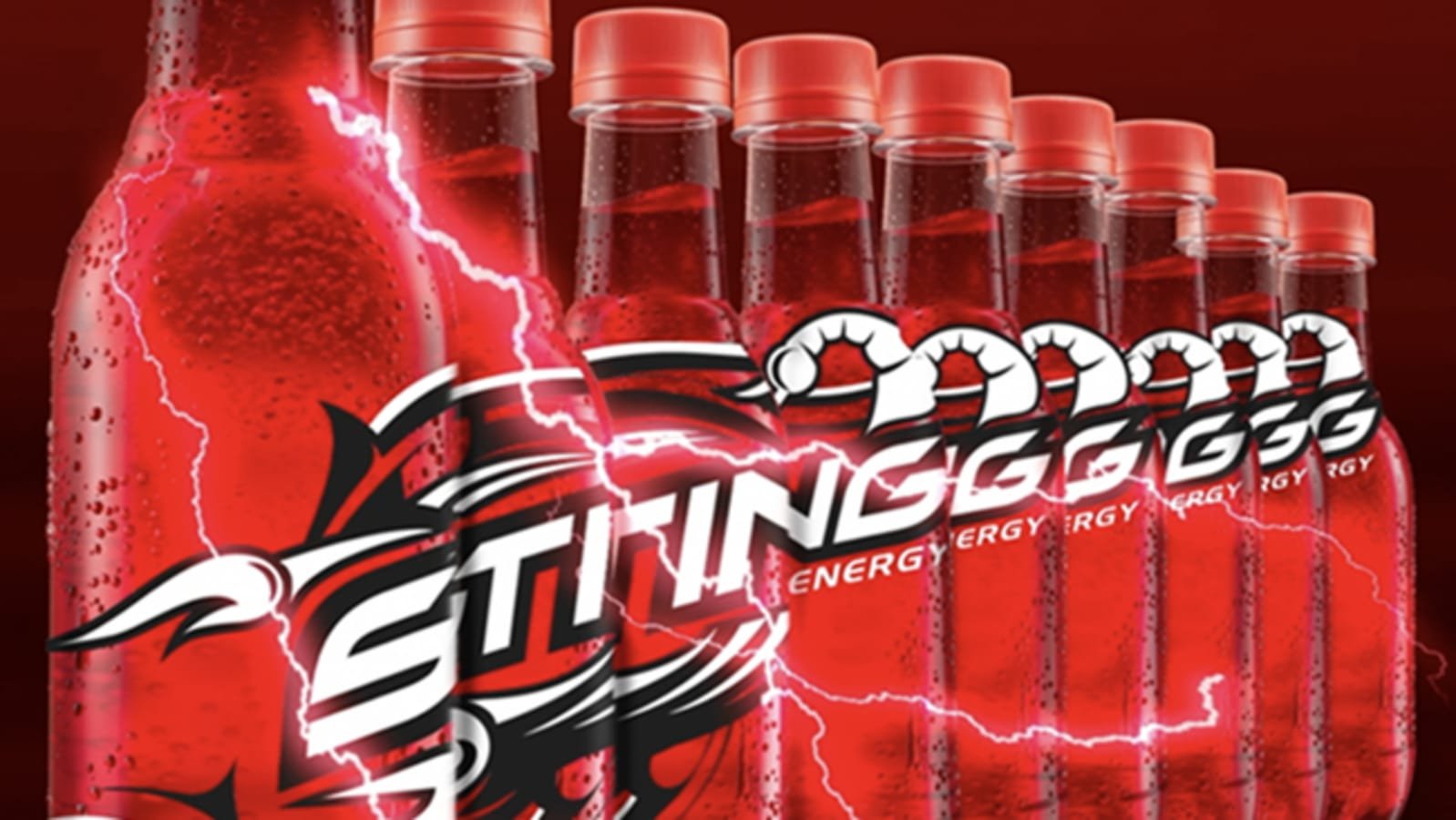
PepsiCo India has begun removing the word “Energy” from the packaging of its popular Sting beverage following the Food Safety and Standards Authority of India’s (FSSAI) decision to discontinue recognition of “energy drinks” as a separate food category. The company said it is ensuring full compliance with the revised regulatory framework, while several other beverage manufacturers have sought an extension of the compliance deadline, citing significant investments in existing packaging and inventory.
According to industry sources, PepsiCo has already started manufacturing new Sting cans and PET bottles without the word “Energy” on the label. These revised products are expected to reach retail shelves as existing inventory is phased out. The company is also modifying advertising campaigns and promotional materials to align with the new regulatory requirements before the compliance deadline expires.
A PepsiCo India spokesperson said the company is committed to complying with all applicable regulations. While the company did not provide further details, industry executives said changes are being made across Sting’s branding and marketing initiatives, including digital campaigns and promotional content linked to major sporting partnerships.
The revised packaging follows FSSAI’s decision that it no longer recognises “energy drinks” as a separate food category. The regulator has also objected to promotional claims such as “Revitalises Body and Mind,” stating that such descriptions may mislead consumers regarding the nature and benefits of these products. Companies have consequently been directed to modify product labels, advertising material and related promotional content to comply with the updated standards.
The regulatory change has also affected PepsiCo’s high-profile global sponsorship with Formula One. Last year, PepsiCo signed a five-year partnership under which Sting was promoted as the Official Energy Drink of Formula One, with branding rights that included trackside advertising, fan engagement zones and international marketing campaigns. Industry sources said these promotional materials are now being revised to remove references that no longer comply with Indian food regulations.
India’s energy beverage market is estimated to be worth around ₹13,000 crore, with companies collectively spending nearly ₹2,000 crore annually on advertising and brand promotion. While Red Bull has traditionally dominated the premium segment, Sting significantly expanded the category after its launch in 2017 by offering a more affordable ₹20 PET bottle, helping the brand rapidly gain market share across urban and semi-urban markets.
The regulatory changes have prompted wider concern across the beverage industry. Officials familiar with the matter said the Indian Beverage Association (IBA) has written to FSSAI requesting additional consultations before full enforcement and has also sought an extension of the implementation deadline. Industry representatives argue that manufacturers have already invested heavily in printed cans, PET bottles and packaging material carrying existing branding, and immediate compliance could result in substantial financial losses.
The impact is also beginning to affect supply chains. According to industry executives, distributors in several parts of the country have become reluctant to accept stocks carrying older labels, creating temporary shortages of certain beverage brands at retail outlets. Companies are reportedly managing inventories carefully while preparing revised packaging that complies with the regulator’s new requirements.
Industry analysts say the regulatory shift extends beyond product packaging and is likely to reshape marketing strategies across the beverage sector. Companies may need to redesign branding, update advertising campaigns, revise sponsorship agreements and modify consumer communication to ensure compliance with the revised framework. The transition is expected to involve considerable operational and financial adjustments, particularly for brands with nationwide distribution networks.
Food regulation experts maintain that product labels and promotional claims should accurately reflect scientifically verifiable characteristics and avoid creating misleading impressions among consumers. They argue that transparent labelling strengthens consumer confidence and enables informed purchasing decisions. At the same time, industry representatives believe that major regulatory changes should be accompanied by a reasonable transition period to minimise commercial disruption and prevent unnecessary wastage of existing packaging materials. Attention is now focused on whether FSSAI and the government will consider extending the compliance deadline in response to the industry’s request.
