

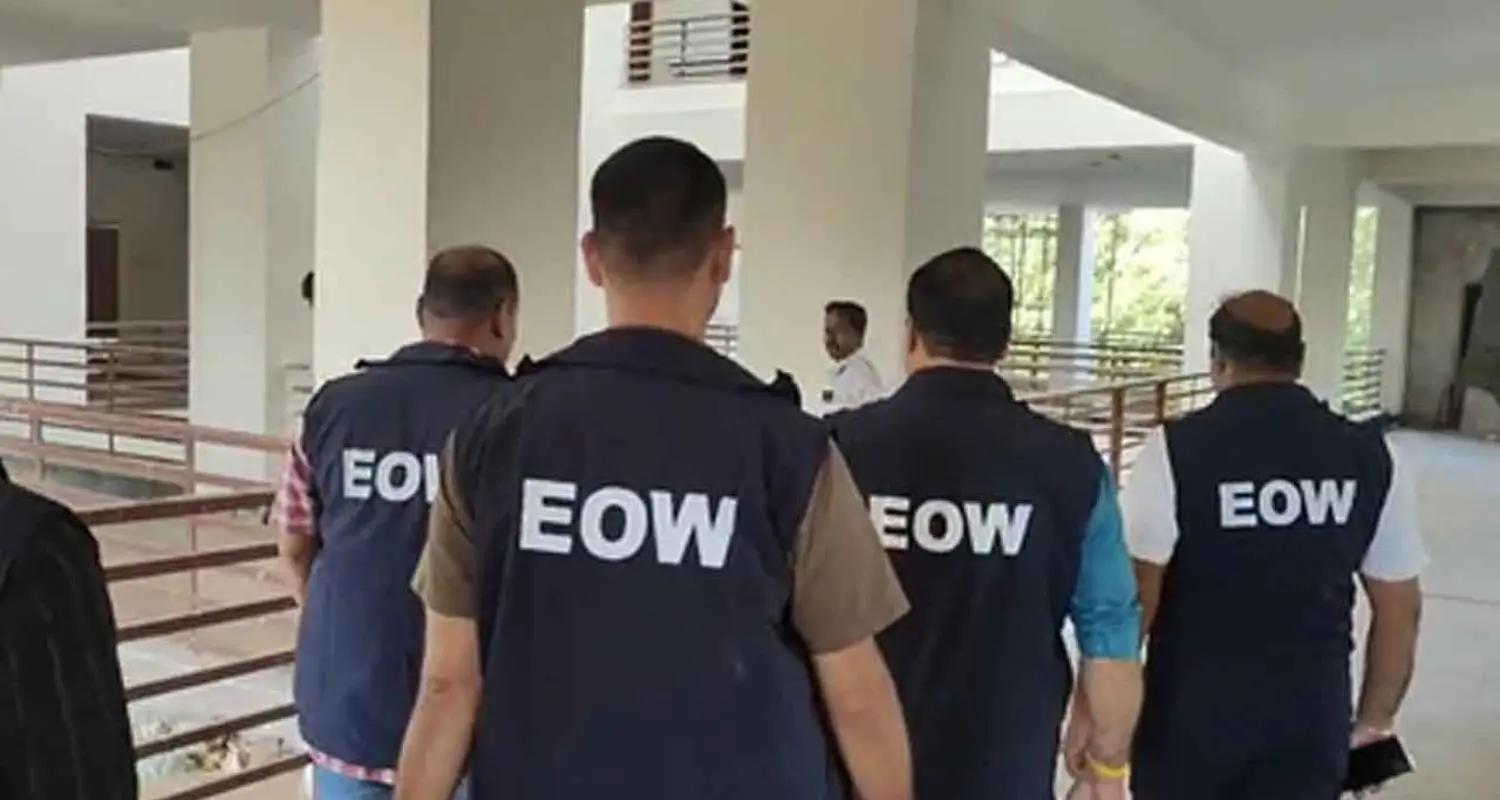
The economic offenses wings and localized police commands of the Maharashtra Police have achieved a critical breakthrough in a long-standing property racketeering case, taking absolute physical custody of an absconding real estate developer. Following a continuous multi-year tracking operation, specialized surveillance units intercepted and arrested 42-year-old Rajeev Vyas, a resident of the high-end Juhu area. The successful field intervention terminates a complex eight-year flight from justice, shifting a major real estate default case out of cold files and straight into active judicial prosecution for the systematic siphoning of middle-class housing investments.
Registration Begins for FutureCrime Summit 2026, India’s Largest Cybercrime Conference
The Simulated Real Estate Development and Advance Capital Traps
The structural parameters of the corporate fraud went live when the developer launched an aggressive marketing campaign for a premium residential high-rise project under the banner of his firm, Vyas Constructions. Targeting salaried professionals and middle-income families looking to secure permanent housing in the Mumbai metropolitan zone, the company presented high-fidelity architectural blueprints, lookalike layout approvals, and false regulatory clearance dates.
The underlying property manipulation managed the capital extraction loop through three continuous operational sequences. The operator initiated the scheme by capturing massive advance booking checks and upfront down payments from dozens of eager home buyers, drawing an aggregate total of approximately ₹2.5 crore in direct public funds. The secondary positioning loop involved completely abandoning the physical construction timeline, leaving the designated development plot entirely vacant while the builder intentionally diverted the incoming capital into separate personal shell companies. The final extraction loop concluded as the developer abruptly closed his corporate offices, disabled all communication footprints, and fled the jurisdiction, leaving the individual asset owners completely stranded without their promised properties or their life savings.
The 2018 Economic Offenses Filing and Biometric Border Controls
The formal legal unraveling of the real estate scam occurred after a collective group of defrauded buyers compiled their financial transaction records to lodge a comprehensive criminal complaint. The Mumbai Police processed the baseline First Information Report in 2018 under the strict statutory provisions of the Indian Penal Code and the Maharashtra Ownership Flats Act (MOFA), detailing extensive criminal breach of trust, cheating, and the deliberate violation of statutory real estate developer mandates.
Recognizing that the suspect had immediately executed a calculated evasion strategy to stay out of reach of regional enforcement grids, tracking cells coordinated with central intelligence agencies to launch a high-priority Look-Out Circular (LOC) at all major international transit gates. The developer managed to evade physical capture for nearly a decade by continuously rotating through temporary safe houses, utilizing unverified proxy communication channels, and executing all daily transactions strictly in physical cash to prevent automated bank tracking systems from triggering localized location alerts.
High-Velocity Surveillance Interceptions and Judicial Remand Orders
The operational breakthrough occurred when digital footprint analysts attached to the city’s specialized crime branch detected a subtle anomaly in the communication logs of a known close associate of the fugitive. Local cyber cells deployed advanced telemetry tracking tools to map the signal, successfully pinning the suspect’s physical location to a temporary hideout structure located in the outer suburbs. A tactical police team executed a swift, coordinated dawn sweep, surrounding the facility and taking the builder into custody before he could execute another relocation maneuver.
Following the successful execution of the arrest warrant, Vyas was produced before a designated metropolitan magistrate for a formal remand hearing. State prosecutors mounted a rigorous opposition against any immediate bail protections, presenting comprehensive accounting audits to show that physical custody was vital to recover the siphoned ₹2.5 crore asset pool and locate auxiliary bank accounts used to hide the fraud proceeds. After reviewing the evidence portfolios, the magistrate granted the police full custodial remand for four days, authorizing intense interrogation timelines to map the complete flow of the illicit funds.
Regulatory Enforcement Overhauls and Zero-Trust Real Estate Safeguards
The public exposure of this multi-year housing exploitation case has pushed national property regulators and threat researchers at the Future Crime Research Foundation (FCRF) to demand an immediate structural upgrade to real estate transaction monitoring. Industry analysts emphasize that relying on manual escrow reports and unverified developer declarations allows rogue builders to easily maneuver public booking capital into private commercial ventures without triggering early warnings.
To permanently insulate home buyers and the construction sector from predatory real estate cartels, apex housing authorities are advising an immediate transition to zero-trust transactional workflows. Future regulatory frameworks will mandate the absolute integration of centralized, blockchain-verified escrow accounts managed directly by the Real Estate Regulatory Authority (RERA), ensuring no customer booking deposits are released to developers unless automated digital tracking confirms the completion of specific, physical construction milestones on the actual project site. State authorities maintain that the wider hunt for auxiliary corporate proxies and hidden financial assets remains highly active, warning the business community that executing lookalike property schemes will invite immediate asset forfeiture and long-term imprisonment.
