

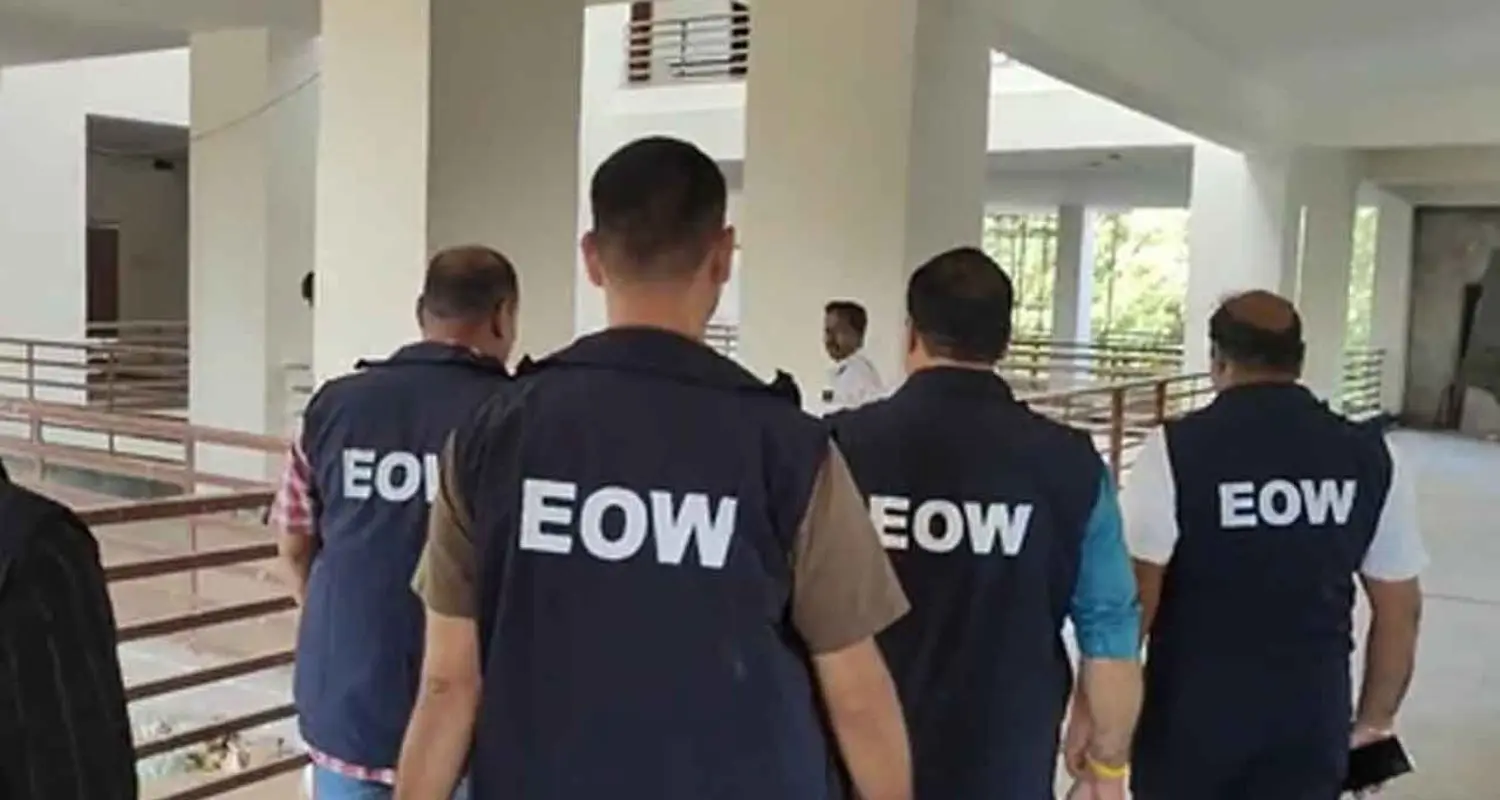
The Economic Offences Wing of the Jammu & Kashmir Crime Branch has advanced its prosecution pipeline against systemic financial crime, filing a comprehensive chargesheet against five residents before the Chief Judicial Magistrate tribunal. Enforcement commands targeted the organized network—consisting of primary instigator Sheikh Samiullah alongside co-conspirators Abdul Ahad Bhat, Ghulam Nabi Baqal, Mushtaq Ahmad Sofi, and Sartaj Ahmad Hakeem—following technical verifications of complex retail lending defaults. The anti-corruption inquiry unraveled a highly calculated property title personation scheme, where the actors exploited institutional trust and manual processing vulnerabilities to extract multi-lakh tranches from premier regional repositories using completely synthetic assets.
Registration Begins for FutureCrime Summit 2026, India’s Largest Cybercrime Conference
The Multi-Branch Extraction and Asset Fabrication Phase
The structural breakdown of the financial parameters dates back to a synchronized commercial credit raid initiated across the capital jurisdiction. Leveraging unverified business profiles and engineered property valuations, the syndicate simultaneously penetrated two separate operational branches of the Jammu & Kashmir Bank to maximize their initial liquidity harvest. The core fraud cell initiated the plot by bypassing traditional land registration channels, using advanced forging equipment to generate high-fidelity lookalike revenue extracts, fake ownership title deeds, and duplicate land boundary reports that existed exclusively on paper. Moving immediately into the onboarding pipeline, the operators presented the cloned certificates as premium collateral instruments to secure a ₹30 lakh long-term investment loan at the bank’s Zainkote branch, while concurrently deploying an identical set of fabricated deeds to pull a secondary ₹30 lakh cash credit liquidity line from the Residency Road desk. The tactical sequence reached its final phase after the group successfully cleared all internal verification hurdles and distributed the cumulative ₹60 lakh into shadow operating networks. The borrowers immediately suspended all debt service operations, forcing the bank’s internal auditing committees to run retrospective asset inspections that revealed the underlying collateral profiles were completely unrecognized by the official Revenue Department.
Forensic Revenue Tracking and Judicial Onboarding
The structural failure of the underlying mortgage layers prompted J&K Bank’s security desk to register a formal First Information Report, shifting the operational investigation into the hands of specialized economic offense detectives. Investigators deployed extensive document-carving methods, forensic ink-aging audits, and direct line-by-line comparisons of localized land registries to isolate the origin of the forged documentation. The Crime Branch’s final report documents an absolute criminal conspiracy orchestrated by Samiullah, establishing that the team intentionally designed the lookalike instruments to bypass routine loan underwriting panels. By securing certified statements from district revenue collectors confirming the total absence of the alleged properties, the EOW team finalized its evidence book and presented the complete indictment docket to the Srinagar Chief Judicial Magistrate, transitioning the decade-old banking scam from an open investigation into an active criminal trial phase.
Due Diligence Protocols and Risk Containment Frameworks
The public exposure of this multi-branch collateral compromise has prompted senior risk underwriters and central banking specialists to demand a major overhaul of independent asset tracking metrics. Financial crime analysts emphasize that traditional physical verification checks remain highly vulnerable to insider manipulation and advanced identity cloning loops when managed without digital cross-checks. To permanently insulate the commercial banking ecosystem against similar asset inflation and structural title fraud, national enforcement panels are advising credit houses to adopt a zero-trust verification stance toward all paper-bound collateral submissions. Future risk mitigation architectures are moving toward the mandatory integration of real-time digital land record APIs, blockchain-anchored title tracking, and independent multi-signature verification protocols managed by neutral third-party cells before any high-value credit allocation can clear state channels. The Crime Branch maintain that all connected recovery proceedings remain under intense judicial review, reminding municipal lending houses that prompt automated document auditing remains the primary defense to neutralize corporate skimming rings before they can breach public funds.
