

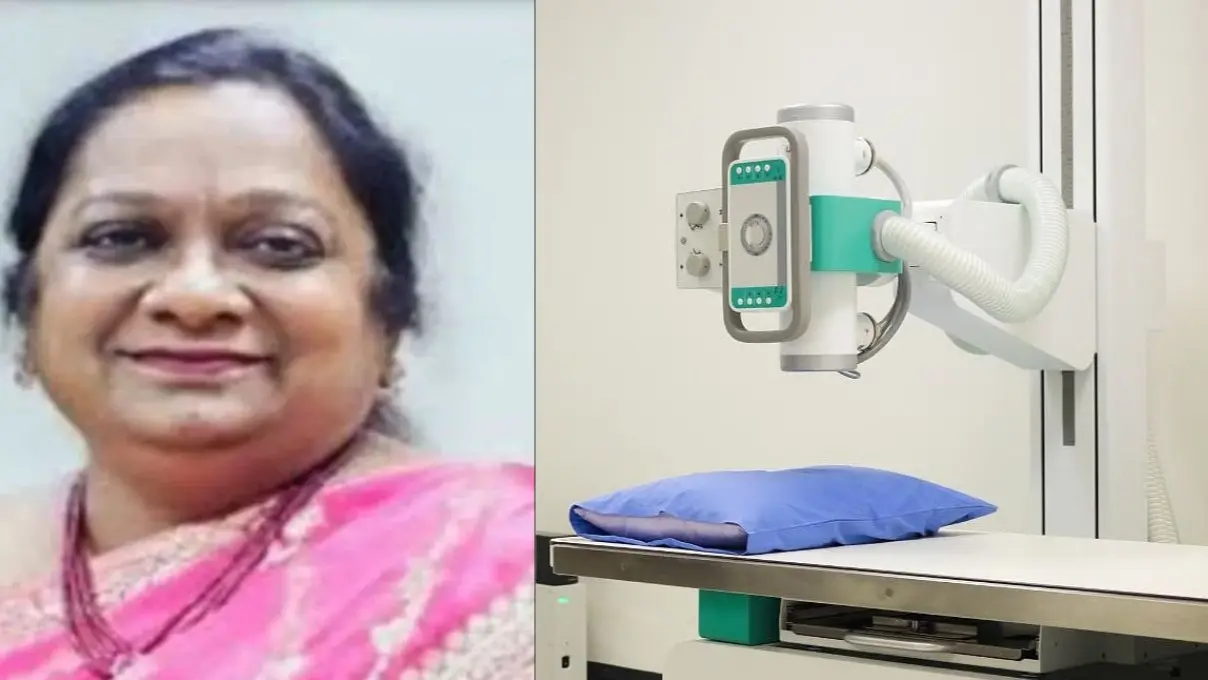
The Anti-Corruption Branch (ACB) of the Delhi Government has arrested the former Director General of Health Services (DGHS), Dr. Vatsala Agarwal, in connection with an alleged ₹350 crore medical procurement scandal. The high-profile arrest follows a thorough investigation into widespread financial irregularities, procedural deviations, and the manipulation of technical tender specifications. Dr. Agarwal, who had been removed from her top administrative post in May and subsequently suspended on the directives of Delhi Lieutenant Governor Taranjit Singh Sandhu, was taken into custody after investigators uncovered extensive evidence of institutional collusion with private suppliers.
Registration Begins for FutureCrime Summit 2026, India’s Largest Cybercrime Conference
Manipulation of Technical Specifications and Inflated Tenders
The fraudulent procurement network operated across multiple essential medical categories according to the ACB. Artificial price inflation was systematically detected in the purchase of radiological and diagnostic equipment, including portable X-ray machines and C-arm radiological setups. At the same time, severe irregularities were uncovered in large-scale contracts for clinical infrastructure assets like anaesthesia workstations, surgical consumables, sutures, cannulas, and gloves. The overbilling streams also extended heavily into essential consumables, where massive price manipulation was identified in the procurement of oral rehydration solutions (ORS) alongside basic hospital bed sheet covers and linen stocks.
Expanding Network Arrests and Institutional Fallout
Dr. Agarwal’s arrest marks the third major apprehension executed by the anti-corruption wing in this expanding case. Her custody comes just days after the ACB arrested Dr. Vijay Kumar Ranga, the administrative head in charge of the Central Procurement Agency. A Delhi court subsequently remanded Dr. Ranga to four days of intensive police custody to map out internal bureaucratic decisions. To prevent the destruction of digital evidence and ensure an unhindered inquiry, the Delhi government has also suspended five pharmacists and two additional CPA store managers following an internal inquiry into compromised inventory registries.
The legal enforcement actions are being aggressively pursued under Section 17A of the Prevention of Corruption Act, 1988, alongside sections of the Bharatiya Nyaya Sanhita (BNS) governing criminal conspiracy and cheating. Parallel to the local police dragnet, the Enforcement Directorate (ED) has also entered the investigation matrix, formally demanding all procurement files, tender books, and transaction records from the DGHS office under the statutory provisions of the Prevention of Money Laundering Act (PMLA), 2002, to trace downstream asset trails.
Zero Tolerance Mandates and Multi Agency Verifications
Delhi Chief Minister Rekha Gupta responded strongly to the enforcement actions, reaffirming that the state administration operates on a strict “zero-tolerance” policy regarding institutional corruption. She emphasized that safeguarding public funds is a sovereign responsibility and directed the anti-corruption bureau to ensure a fair, transparent, and time-bound investigation. Compliance experts note that the massive scale of the CPA fraud highlights a critical lack of double-blind auditing layers within high-volume medical supply chains, creating vulnerabilities that allowed inside administrators to siphon state reserves.
Moving forward, the ACB and federal financial cells are inspecting recovered electronic logs, digital payment trails, and cross-state communication chains to identify secondary beneficiaries. Investigators are trying to determine how long the inflated billing pipeline had been operating undetected and whether similar manipulated tenders were pushed through other state-run hospital boards. The accused medical administrator is expected to be produced before a special anti-corruption magistrate for custodial remand, and authorities have indicated that additional corporate suppliers and health officials will face immediate prosecution as the forensic accounting review concludes.
