
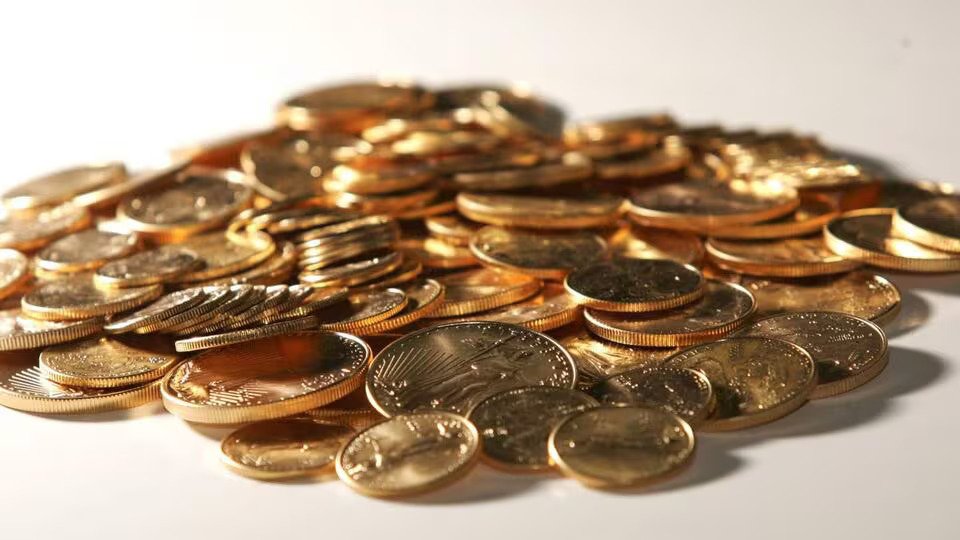
Firozabad: A remarkable archaeological discovery made during an excavation at a temple in Uttar Pradesh has turned into a troubling mystery after a cache of nearly 2,000-year-old copper coins reportedly disappeared under unclear circumstances. The missing treasure, weighing around 35 kilograms and believed to date back to the Kushan period, has triggered concerns over the handling, documentation, and preservation of historically significant artifacts.
Coins Found In Temple Excavation
The case revolves around the Vankhandeshwar Mahadev Temple in Kotla, Firozabad district, where workers unearthed two earthen pots during excavation work on May 18 last year. Initially, laborers suspected the containers might hold gold coins. However, after cleaning and examination, the contents were found to be a large collection of ancient copper coins. Local residents reportedly ensured that the pots were kept safely within the temple premises until authorities could inspect them.
Registration Begins for FutureCrime Summit 2026, India’s Largest Cybercrime Conference
According to local accounts, the total weight of the coins at the time of discovery was approximately 44 kilograms. However, by the time officials from the state archaeology department and police reached the site, the collection allegedly weighed only about 35 kilograms. This discrepancy has fueled speculation that nearly nine kilograms of coins may have disappeared even before the formal examination began.
Kushan-Era Link Identified
Following notification from local authorities, a team from the state archaeology department visited the site and conducted a preliminary assessment. Experts reportedly identified the coins as belonging to the Kushan era, one of the most significant periods in ancient Indian history. The Kushan Empire, which flourished roughly between the first and third centuries CE, played a crucial role in trade, culture, and religious exchange across South and Central Asia.
Specialists familiar with the findings said the coins possessed distinctive characteristics associated with Kushan-age currency. Each coin reportedly weighed around 16 grams and was thicker than most modern coins. One side is said to depict a crowned ruler, while the other features a figure identified as Lord Shiva holding a trident alongside Nandi, imagery commonly associated with certain Kushan rulers and their coinage traditions.
Conflicting Custody Claims Emerge
Given the apparent historical importance of the discovery, it was expected that the artifacts would be catalogued and transferred to an authorized repository or museum for preservation. Instead, conflicting statements from different agencies have left the whereabouts of the coins uncertain.
When police officials later sought information regarding the recovered coins, they were reportedly informed that the artifacts had been sent to a museum in Lucknow for safekeeping. Officials also indicated that the necessary documentation and reports had been forwarded to the museum authorities.
However, the situation took an unexpected turn when museum officials were contacted. According to the museum administration, no such coins had been received from Firozabad, nor did records indicate the arrival of any similar archaeological collection. This contradiction immediately raised fresh questions about the chain of custody and the actual location of the artifacts.
Heritage Protection Questions Grow
The mystery deepened further after inquiries were made with the Archaeological Survey of India (ASI). Officials reportedly stated that their team had not visited the site to examine the copper coins and that they possessed no records regarding their transfer, storage, or preservation. The statement appeared to conflict with assumptions circulating in parts of the administrative process, adding another layer of uncertainty to the case.
Current archaeology officials in the Agra region have indicated that the matter predates their tenure. While acknowledging that departmental representatives had visited the site, they reportedly said there is no clear record showing who ultimately took custody of the coins. Some officials have suggested that the artifacts may have been sent to a museum, but no publicly available documentation has surfaced to verify that claim.
The incident has sparked concern among historians, archaeologists, and heritage enthusiasts. Experts argue that discoveries of this nature are invaluable because they offer rare insights into ancient political authority, religious practices, trade networks, and economic systems. A collection of Kushan-era coins of this scale could significantly contribute to historical research and public understanding of India’s past.
With multiple agencies offering differing accounts and no confirmed record of where the coins currently are, calls are growing for a comprehensive and transparent investigation. Heritage experts believe that establishing the exact chain of custody, identifying any procedural lapses, and locating the missing artifacts are essential not only for accountability but also for safeguarding the country’s archaeological legacy. Until those questions are answered, the disappearance of the ancient coin hoard remains one of the most puzzling heritage mysteries to emerge from the region in recent years.
